
Signs you have the 'serial killer' gene as psychologist breaks down what it means

Serial killers make up less than one percent of homicides recorded each year, yet somehow they manage to dominate our collective imagination more than almost any other type of crime.
Psychologist and Associate Professor at Clark Atlanta University, Dr Kanika Bell, believes she knows exactly why that is.
Speaking to Oxygen.com, Bell explained that most people simply aren't interested in the everyday circumstances behind the bulk of murders that occur, like a road rage incident that spirals out of control.
"We are fascinated by the one person who is committing ritualistic acts, who is planning, who is returning to daily life as a husband, as a parent, going to work in between kills," she said.
Advert
But it's the question of whether that kind of behaviour could be hiding in someone's own family that Bell has spent time exploring, particularly through her work on Oxygen's series 'Killer Siblings,' which looks into cases where relatives have gone down a darker path.

Is there really a serial killer gene?
One theory that regularly resurfaces, both in fiction and in real criminal cases, centres on a gene mutation known as MAOA, often nicknamed the 'warrior gene.'
The mutation, more commonly seen in males, has previously been used in court cases and pop culture, including in the show Riverdale, as a potential explanation, or even scapegoat, for violent or antisocial behaviour.
According to Bell, though, our fixation on the gene likely says more about our desire to explain the unexplainable than it does about actual science.
"We don't understand why someone would ritualistically choose innocent persons and butcher them, sexually assault them, and maim them in the ways that serial killers do," she said.
"I think we are thirsty and looking for something to explain that phenomenon."

Bell said she remains sceptical that any single gene can account for the full range of violent behaviour seen in convicted killers, and pointed instead to environmental factors like family relationships and childhood experiences as far more significant.
"We are normally looking at psycho-social, familial dynamics that contribute to, you know, someone developing the capacity to commit acts like those," she explained.
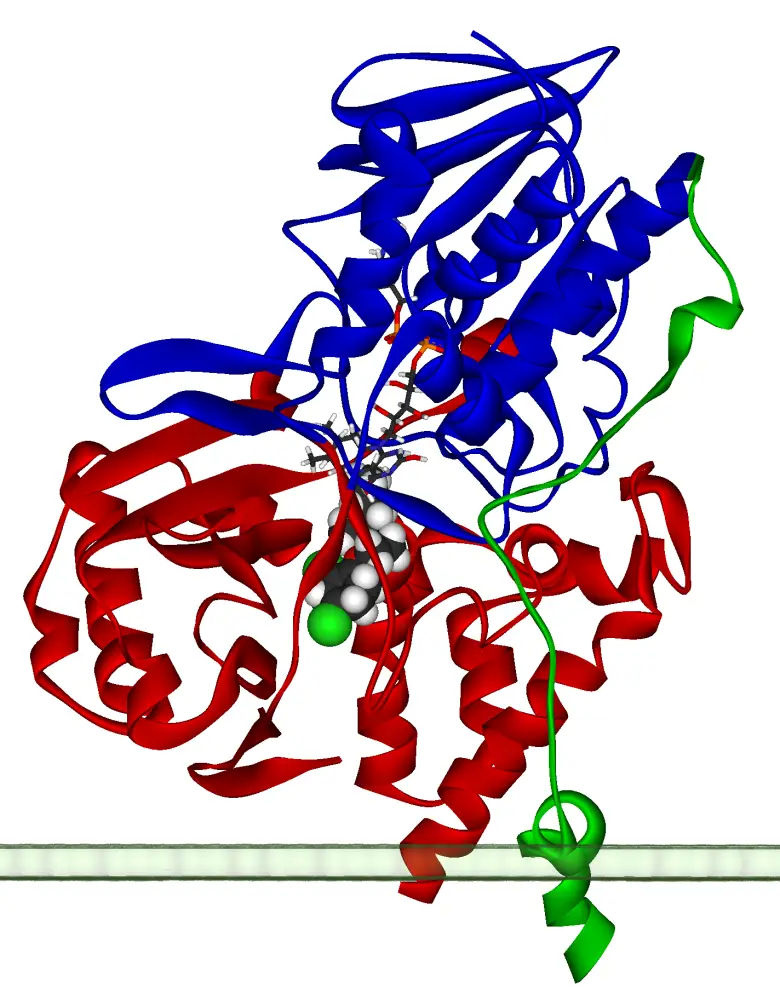
What is the MAOA gene and what does it do?
So what exactly is the MAOA gene? In simple terms, it's responsible for producing an enzyme in the body called monoamine oxidase A, which helps break down certain chemicals in the brain once they've done their job.
Those chemicals, known as neurotransmitters, include serotonin, dopamine, and adrenaline-related compounds, all of which play a role in regulating mood, emotion, sleep, appetite, and how the body responds to stress. Essentially, the enzyme acts like a clean-up crew, clearing away these chemical messengers once they've finished transmitting their signals between nerve cells.
When mutations disrupt this process, it can lead to a rare condition known as monoamine oxidase A deficiency, which affects almost exclusively males and is linked to mild intellectual disability alongside behavioural issues, including aggressive and violent outbursts.
The theory is that when the enzyme isn't working properly, neurotransmitters like serotonin build up in the brain rather than being cleared away as normal.
Scientists aren't entirely sure why, but they suspect that excess levels of these chemicals may make it harder for someone to control their impulses, potentially triggering aggressive episodes.
Some researchers also believe reduced enzyme activity could affect how certain parts of the brain develop, which may help explain both the intellectual disability and behavioural problems associated with the condition.
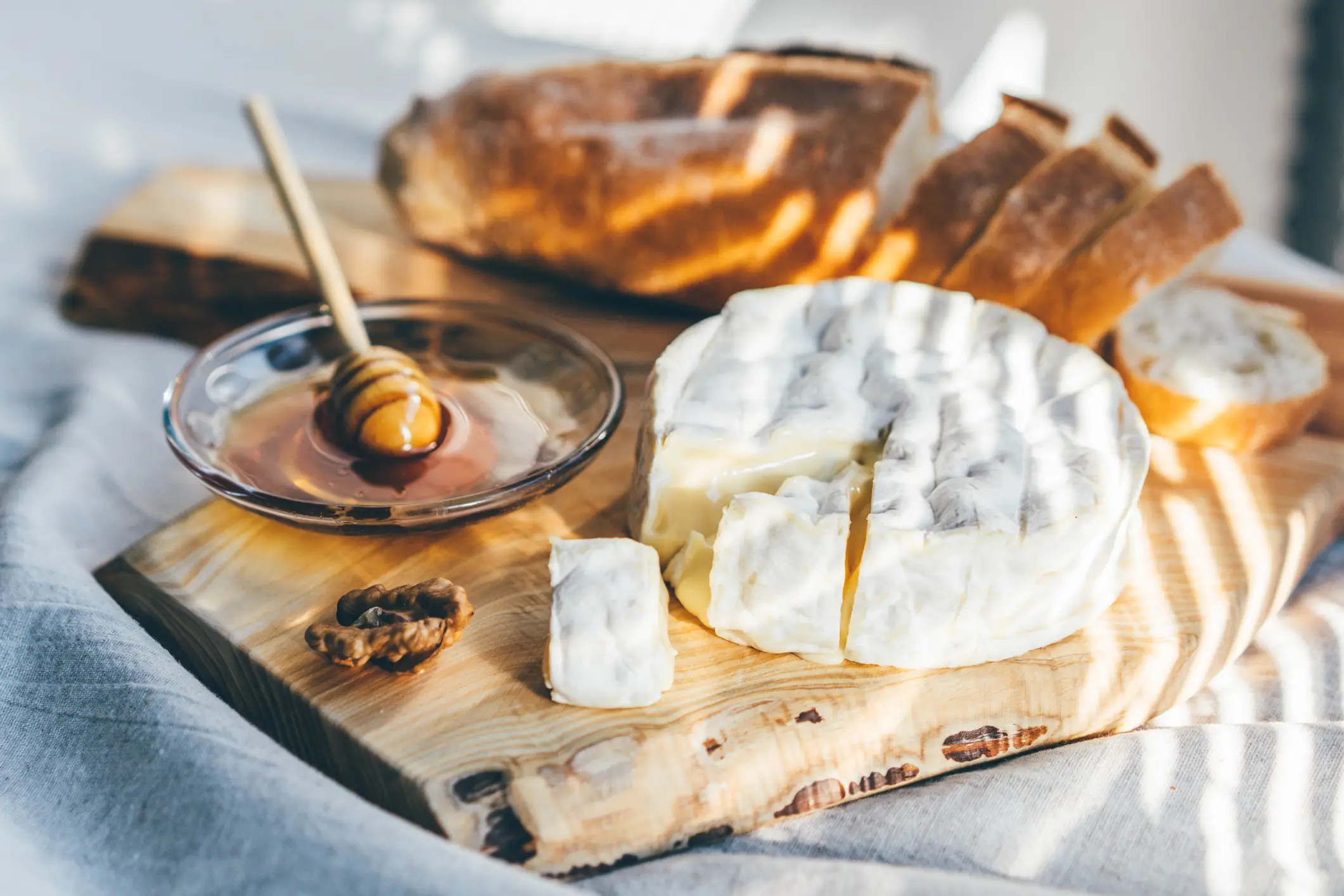
There's also a suggestion that a build-up of a compound called tyramine, found in foods like cheese, could play a role too, which is thought to be why symptoms can sometimes worsen after eating certain foods.
Even so, having this mutation is a long way from guaranteeing violent tendencies, and Bell was quick to stress that having the gene doesn't come close to sealing someone's fate.
For some people, though, the fear of inheriting violent traits is very real.
Bell revealed that some of her own clients with violent parents or siblings have chosen not to have children at all, purely out of fear of passing something down.
"It's difficult to try to reassure someone, when someone has a violent parent and a violent sibling that, you know, hey, there's a possibility you'll have really great kids, that this won't come down as a genetic pathway," she said.
Despite those fears, Bell said there's currently no solid research to suggest violent predispositions are passed down anywhere near as reliably as physical traits like eye colour.
"I do think that sometimes people believe that it has that level of genetic power and I just don't think we've had studies that show that kind of genetic marker at this time," she said.
Topics: True crime, Psychology, Science, Crime
 Thomas Bamford