
How to tell if you have 'sad nipple' syndrome, according to experts

As if there wasn't enough to feel sad about already, apparently some of us can experience 'sad nipple syndrome' and while it's not an official diagnosis, there is a potential medical connection and support available.
While some may find joy or even arousal when their nipples are touched, others can sometimes experience feelings of sadness or dread.
Dubbed 'sad nipple syndrome,' some people have reported feeling intense negative emotions wash over them if their nipple gets touched by someone or something.
And you're not alone if you feel like this, a whole community forming online of people sharing their health experiences with the strange sensation.
Advert
But why does it happen? And what really occurs during the experience?

What does it feel like to have 'sad nipple syndrome'?
While it's not an official medical diagnosis, Cleveland Clinic reports 'sad nipple syndrome' as being 'an emotional reaction triggered by sexual or nonsexual nipple stimulation'.
But when can it be brought on? Well, it can be from simply accidentally brushing your nipple against something such as your t-shirt or it could be someone touching it.
The clinic reveals those who experience it report 'a wide range of strong emotions' including anxiety, disgust, guilt and homesickness alongside irritability, loneliness, nauseousness and despair.
It reassures the strong emotions 'typically pass within a minute or two'.
But how do you know if you have it? Or may end up experiencing it?
How does 'sad nipple syndrome' occur?
Cleveland Clinic notes there are 'no studies' on it so there's no solid reason why it occurs. And - shocker - it typically rears up most in women.
While psychiatric mental health nurse practitioner and women’s behavioral health specialist Maureen Sweeney, PMHNP, notes more research is needed, one theory is it could be linked to dysphoric milk ejection reflex (D-MER).
But what is dysphoric milk ejection reflex (D-MER) and why is there a theory linking the two experiences?

D-MER theory
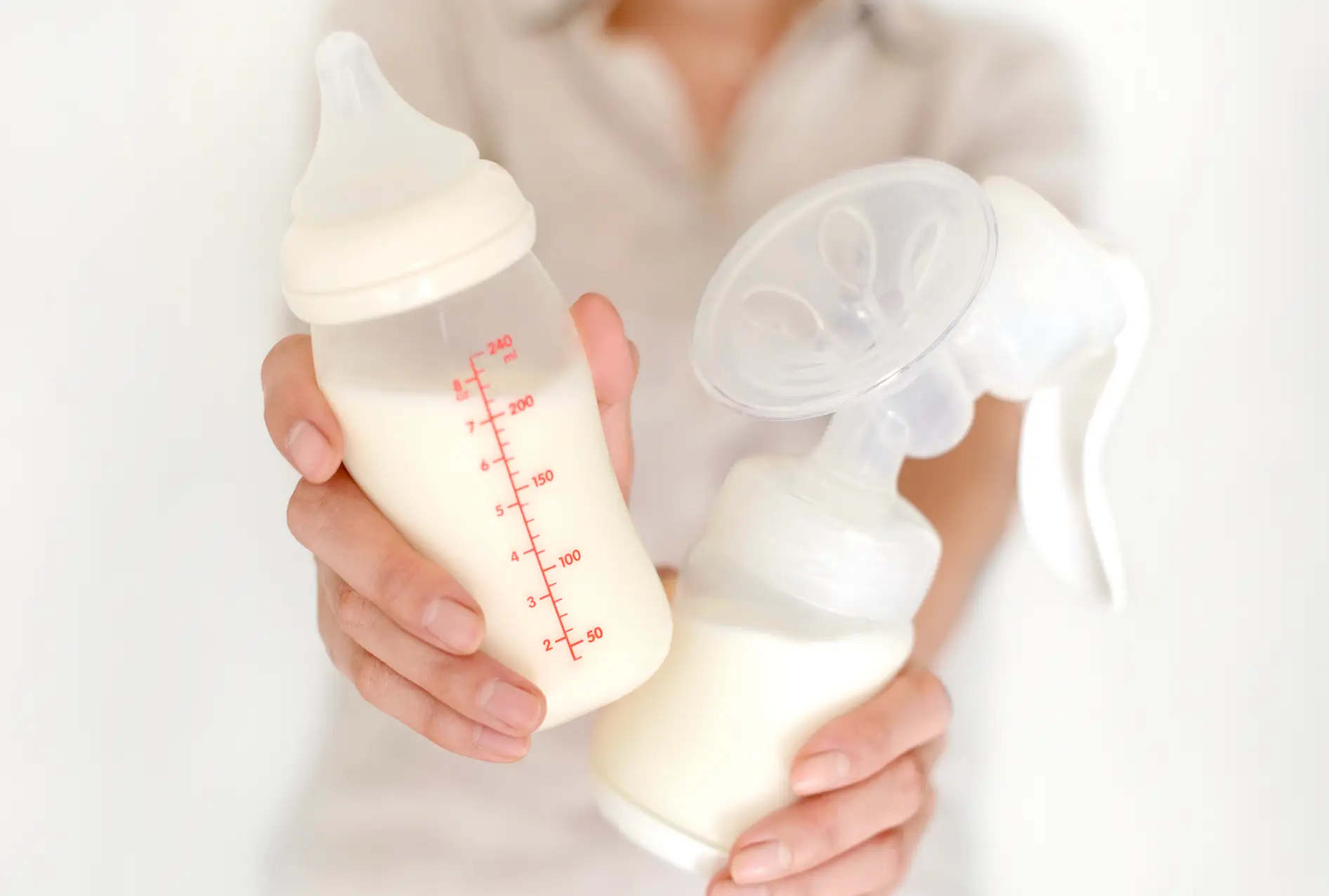
While research remains 'ongoing,' Cleveland Clinic explains D-MER is a condition that impacts women who breastfeed or pump milk and causes you have to have 'intense negative feelings' - similar to those those experienced with 'sad nipple syndrome'.
These feelings occur when you 'release milk' and typically last for '30 seconds to two minutes,' but can be experienced so 'intense[ly]' that they prompt the need to stop breastfeeding or pumping.
The condition is a 'reflex' which means it can't be controlled but the limited research there is available suggests it's 'hormonally driven'.
"It’s physical, not psychological, and has nothing to do with not wanting to breastfeed or with having nipple pain. Rather, it’s your body reacting to the release of milk due to a sudden decrease in specific hormones," Cleveland Clinic explains.
Indeed, while 'little is known about the condition' the condition is attributed to 'an abrupt decrease in dopamine'. When breastfeeding, the body releases a hormone needed for milk production called prolactin alongside oxytocin.
"Oxytocin is the hormone that triggers the flow or ejection of milk from your breasts when your baby suckles (or you begin pumping). Oxytocin suppresses dopamine, which means your dopamine levels decrease," the clinic states.
How to support yourself with 'sad nipple syndrome' or D-MER
Whether it be D-MER or 'sad nipple syndrome' the suggestions to help manage symptoms currently focus on coping strategies 'to promote calming thoughts'.
The clinic adds: "It’s important to note that some symptoms are severe and may lead to suicidal thoughts. If you experience thoughts of wanting to hurt yourself or others, please seek medical attention immediately. People with postpartum depression may find it harder to manage symptoms of D-MER.
"[...] It’s important to remember that D-MER is a physical response and not a psychological response. It doesn’t mean you’re depressed or angry at your baby or that you hate breastfeeding. If you think you have D-MER, talking to your healthcare provider, midwife or lactation consultant can help."
It advises to keep track of symptoms, try to soothe stress levels where possible, continue skin-to-skin contact with your child and reach out to work with a therapist.
If you or someone you know is struggling or in crisis, help is available through Mental Health America. Call or text 988 to reach a 24-hour crisis center or you can webchat at 988lifeline.org. You can also reach the Crisis Text Line by texting MHA to 741741.
Topics: Health, Mental Health
 Poppy Bilderbeck