
Doctors urge people to swap common shower product to help lower cancer risk

Doctors are urging people to take a closer look at what's sitting on their shower shelf, warning that one everyday product could increase your risk of getting cancer.
While plenty of cancer risk factors, like age, genetics and family history, are completely out of our control, experts say there's one you can actually do something about: the chemicals hiding in the products we use daily.
"Cancer development is a multi-step process and repeated exposure to harmful substances in our food, water and consumer products can cause progressive cellular damage," said Dr James McCloskey, chief of the leukemia division at John Theurer Cancer Center at Hackensack University Medical Center, who added that this knowledge can empower people to make informed lifestyle choices and push for stronger regulation of harmful chemicals.
So, what exactly are oncologists begging people to stop doing?
Advert
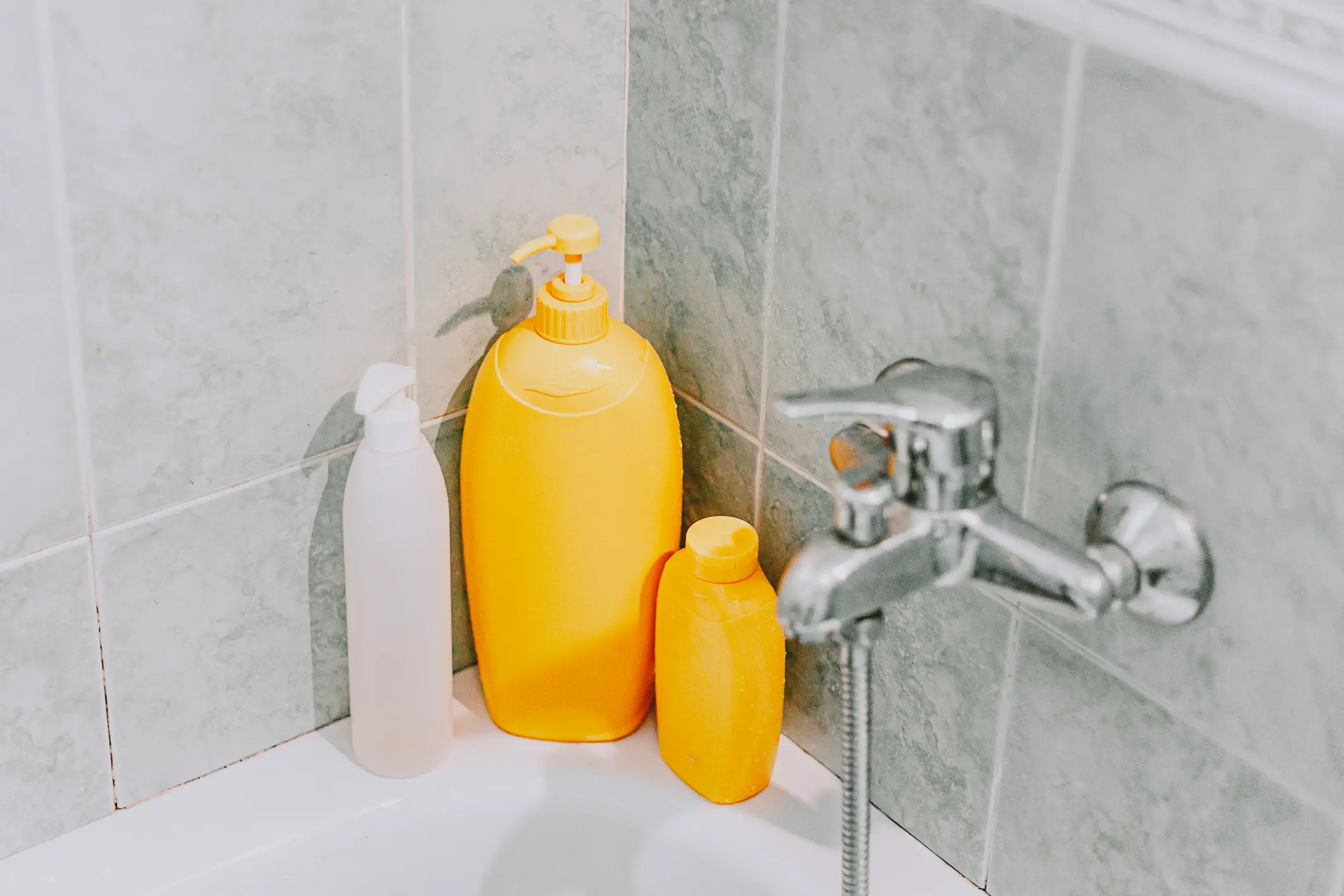
According to multiple experts speaking to Parade, the answer lies in heavily fragranced body washes, which may be doing more harm than good despite promising to leave you feeling clean and refreshed.
What chemicals in body wash are linked to cancer?
"Ironically, products we believe are cleansing and revitalizing ourselves may be harming us in the process," said Dr Sudarsan Kollimuttathuillam, a medical oncologist at City of Hope Seacliff, explaining that certain ingredients could raise cancer risk if used consistently over long periods.
Dr McCloskey broke down exactly which chemicals are the biggest concern. "Phthalates, often hidden in 'fragrance,' can mimic hormones, a process linked to an increased risk of breast cancer," he explained.
"Parabens, used as preservatives, also act like estrogen and pose similar concerns. Sulfates (SLS) create lather, but their manufacturing can produce a cancer-causing byproduct called 1,4-dioxane."
He added that some preservatives, such as DMDM hydantoin, slowly release formaldehyde, which is a known carcinogen.
Despite the warning, experts have been quick to stress this isn't a reason to panic. "We don't have proof that every fragranced body wash is harmful," said Dr Kollimuttathuillam, explaining that researchers are still trying to establish whether repeated, long-term exposure could contribute to health risks for certain people.
Dr Adeel Khan, an academic hemoncologist and epidemiologist in Dallas, agreed, noting that "for most people, occasional use is unlikely to be a major cancer or other health risk." He said it's still worth cutting back on daily use of strongly fragranced products, particularly for anyone with sensitive skin, asthma, migraines, or who is pregnant or shopping for children.

What should you use instead of scented body wash?
For anyone looking to make the swap, oncologists have shared a few simple alternatives that don't compromise on cleanliness.
The easiest switch, according to Dr Kollimuttathuillam, is a fragrance-free body wash. "You still get the cleansing benefits without the added fragrance ingredients," he said, though he recommends checking the ingredients list rather than trusting marketing claims like "paraben-free."
Bar soap is another solid option, with Dr McCloskey pointing out that it typically has a much shorter ingredient list than liquid body wash. "They often don't require the same level of preservatives, like parabens or formaldehyde-releasers, because they are solid and contain less water," he said, adding that this significantly cuts down on overall chemical exposure.
Pure liquid castile soap, made from saponified vegetable oil, was also recommended. "It contains no synthetic detergents, preservatives or foaming agents," Dr McCloskey explained.
Ultimately, doctors are keen to stress this isn't cause for alarm. "I'd look at this as an opportunity rather than an emergency," said Dr Kollimuttathuillam.
"Most cancer risks develop over a lifetime and involve many factors, not one body wash or one ingredient."
 Thomas Bamford