
New research reveals surprising effect GLP-1s could have on cancer patients

The advent of GLP-1 drugs like Wegovy, Ozempic, and Mounjaro have completely changed how medical professionals treat chronic health problems like diabetes and obesity, but that may just be for starters.
A number of trials in recent years have established that patients who are taking these semaglutide drugs also see a number of other health benefits, seemingly unrelated to their prescription.
That includes most of the biggest mortality risks for human beings, like cardiovascular issues and dementia, where early studies suggest a significant drop in risk across the board just by taking a nonspecific GLP-1 treatment.
New research suggests that these unrelated health benefits may even be able to slow down the spread of a number of different cancers, according to an astonishing announcement from the American Society of Clinical Oncology.
Advert

Scientists compared the outcomes of cancer patients who were taking a common type 2 diabetes treatment, DPP-4 inhibitors, to those of cancer patients on a course of GLP-1 drugs, using a medical database called the TriNetX Global Health Research Network.
Mark David Orland of Cleveland Clinic’s Taussig Cancer Institute, said: “Our study found that use of GLP-1 drugs, compared to DPP-4 inhibitors and other antidiabetic drugs, was associated with a meaningful reduction in cancer progression across four solid tumor types.”
This massive study looked at the records of 12,000 people living with seven cancers ranging from stage one to stage three. They tracked breast cancer, prostate cancer, lung cancer, colorectal cancer, liver cancer, kidney cancer and pancreatic cancer.
Astonishingly, patients taking a course of GLP-1 drugs saw a lower rate of metastatic progression in six of the seven cancers studied. The only group that did not see a fall was those who had kidney cancer.
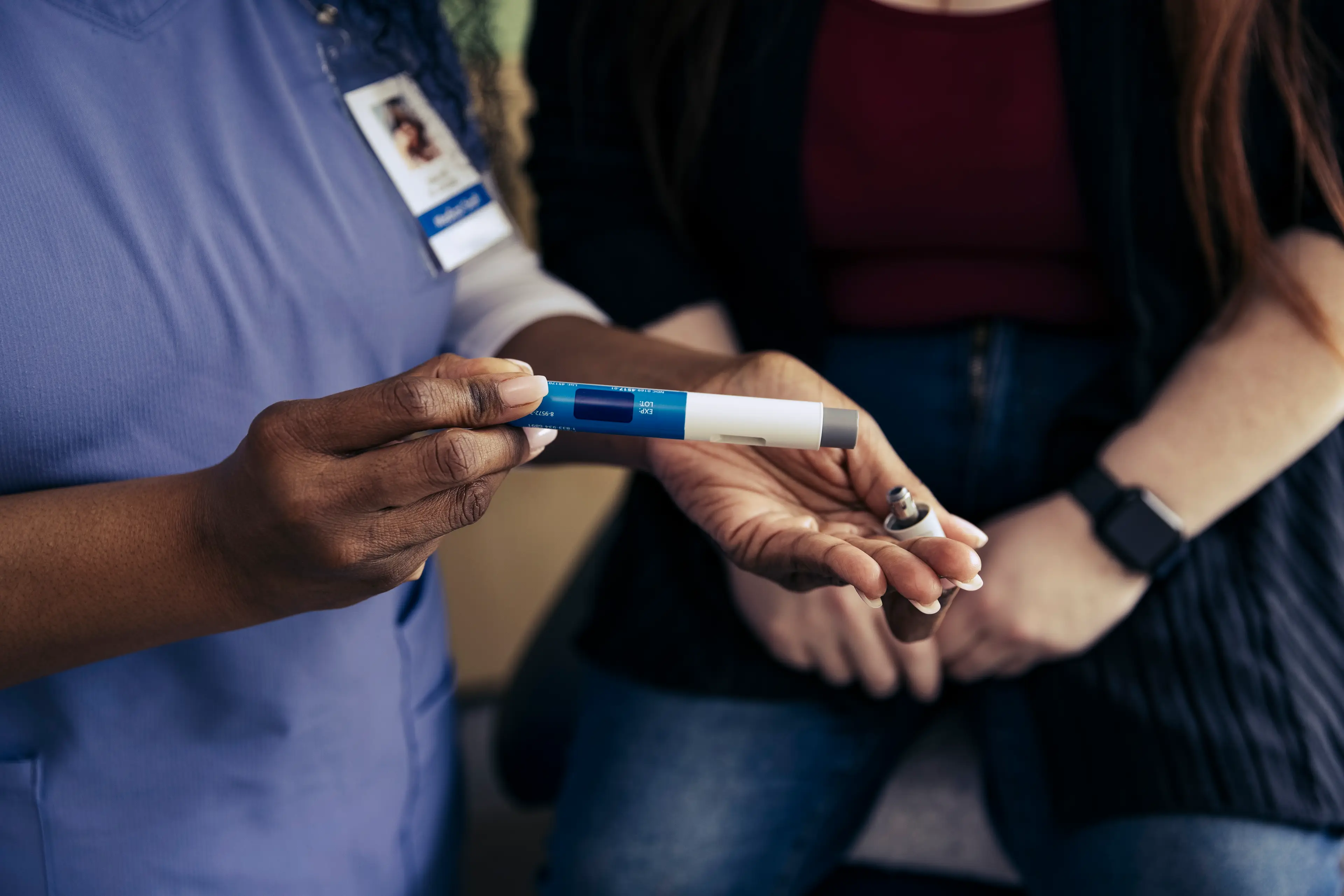
Those with lung cancer, breast cancer, colorectal cancer and liver cancer all saw a 'statistically significant' slower cancer spread than those taking DPP-4 inhibitors. ]According to NBC analysis, the best results were seen in lung and breast cancer patients, with the former seeing a 50 percent reduced chance of progressing to stage four and the latter a 43 percent reduction.
Marcin Chwistek, MD, FAAHPM, Chief of the Supportive Oncology and Palliative Care Program at Fox Chase Cancer Center commented on the study, remarking: “GLP-1 RAs have never been just glucose-lowering drugs.
"Their anti-inflammatory and immune-modulatory properties have long suggested broader effects. What's new here is the consistency across tumor types, and data this large and this consistent warrant a prospective randomized trial."
As this study was merely observational of a large dataset, the authors suggested that further randomized trials be ordered to establish the biological mechanism causing GLP-1 drugs to have this significant impact on some cancers.
Topics: Ozempic, Mounjaro, Breast cancer, Cancer, Health
 William Morgan