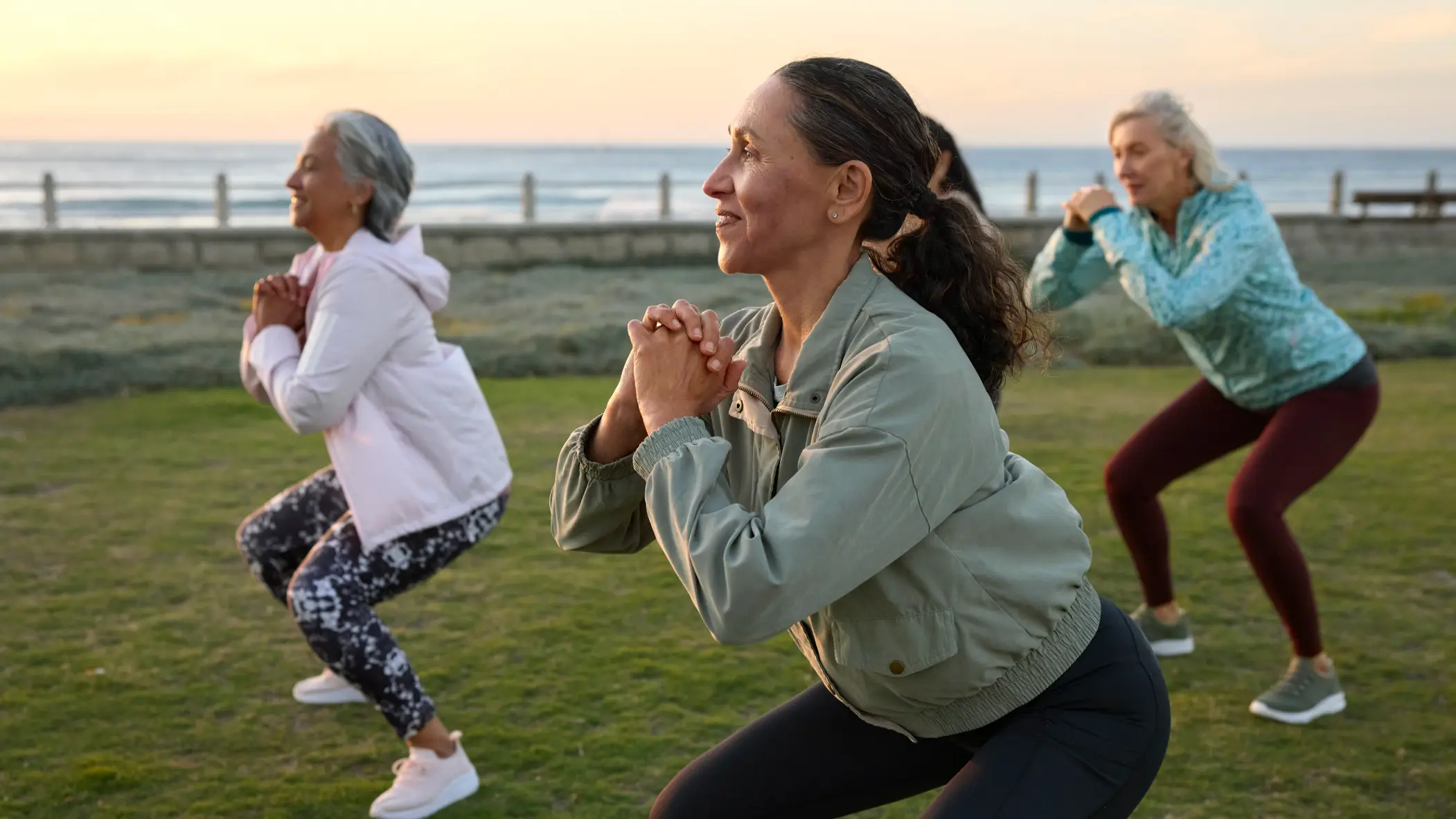
Expert reveals exactly how many squats you should be able to do according to your age

A personal trainer has detailed the exact number of squats you should be doing based on your age.
With Christmas well and truly out the way and chocolate all over the house a thing of the past, many are starting the year with a strict diet and exercise regime - again.
Of course, the type of training often depends on a person's ability, interest and also age - as someone over the age of 60 might not be doing as many squats as they once could.
Dr Edward Laskowski, of the Mayo Clinic, revealed how taking part in daily squats can 'help boost your performance in a variety of sports'.
Advert
While personal trainer Natalya Alexeyenko has detailed to the Daily Mail how it's all about 'setting your stance' when it comes to performing a squat, which involves having your feet shoulder-width apart.
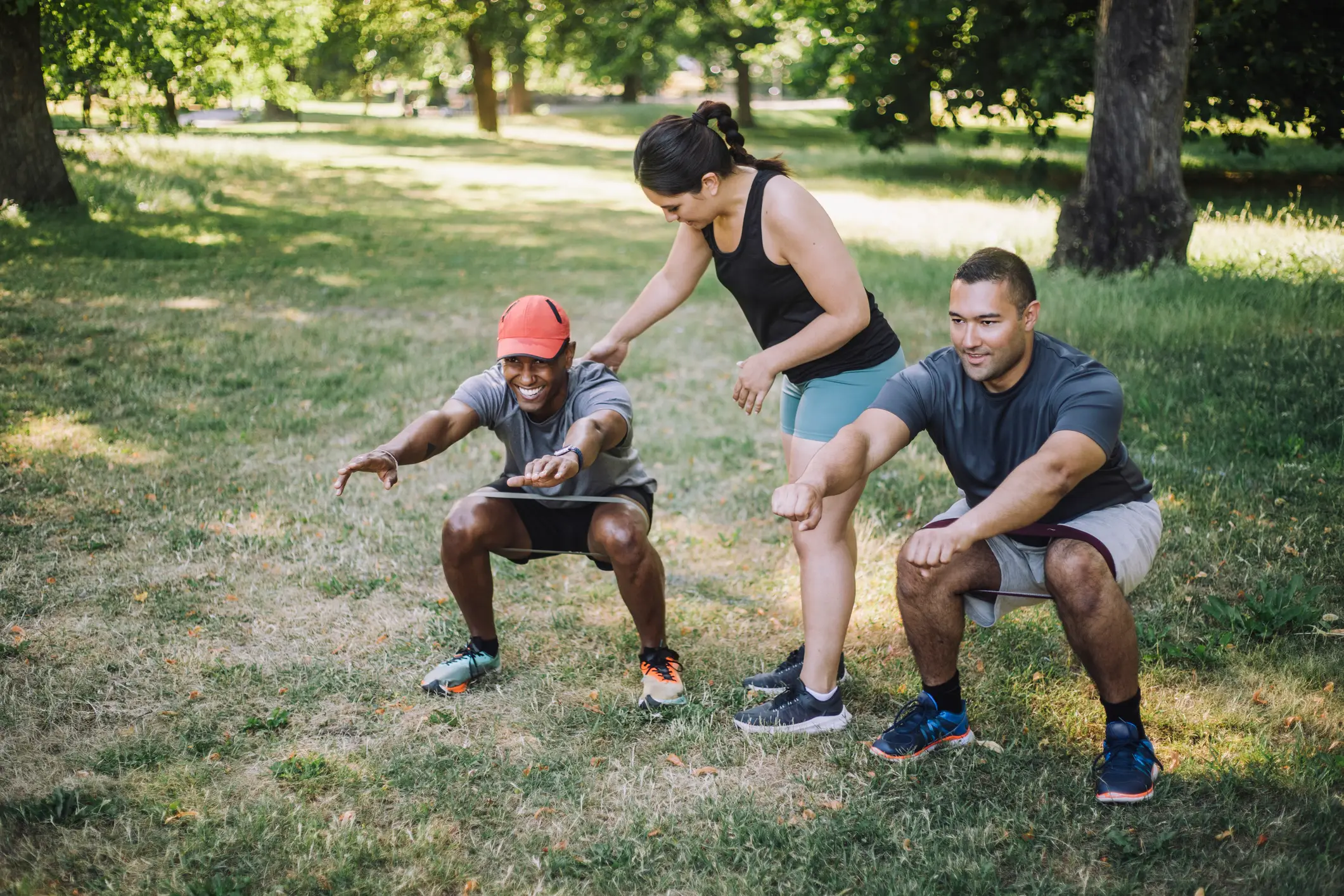
It's vital to keep your core in check while conducting a squat and the trick is to 'lower your body until your thighs are parallel to the floor or as deep as your mobility allows, ensuring your knees track over your toes', according to Alexeyenko.
And if you're going after a full squat, then you are going to want to 'descend slowly and push through your heels to return to the starting position', furthermore, you want to be 'avoiding momentum', Alexeyenko said to the Daily Mail.
So, now you've got the technique all sorted, you're going to want to know how many squats you should be doing based on your age.
Well, Alexeyenko states men aged between 20 and 30 should aim for roughly 50 squats a minute, while women in the same age category should be pushing for 45 squats.
As you'd probably expect, this decreases the older you get, with both men and women aged 31-40 advised to conduct ten less squats.
Women in their 40s should be pushing for 25 squats, while men are at a slightly higher 30, according to the personal trainer.
Those in their 50s see the number of squats reduced even further, with 25 for men and 20 for women.
And in your 60s, you're going to want to do no more than 15 squats in 60 seconds, Alexeyenko said - adding this will help 'maintain mobility and reduce the risk of falls'.
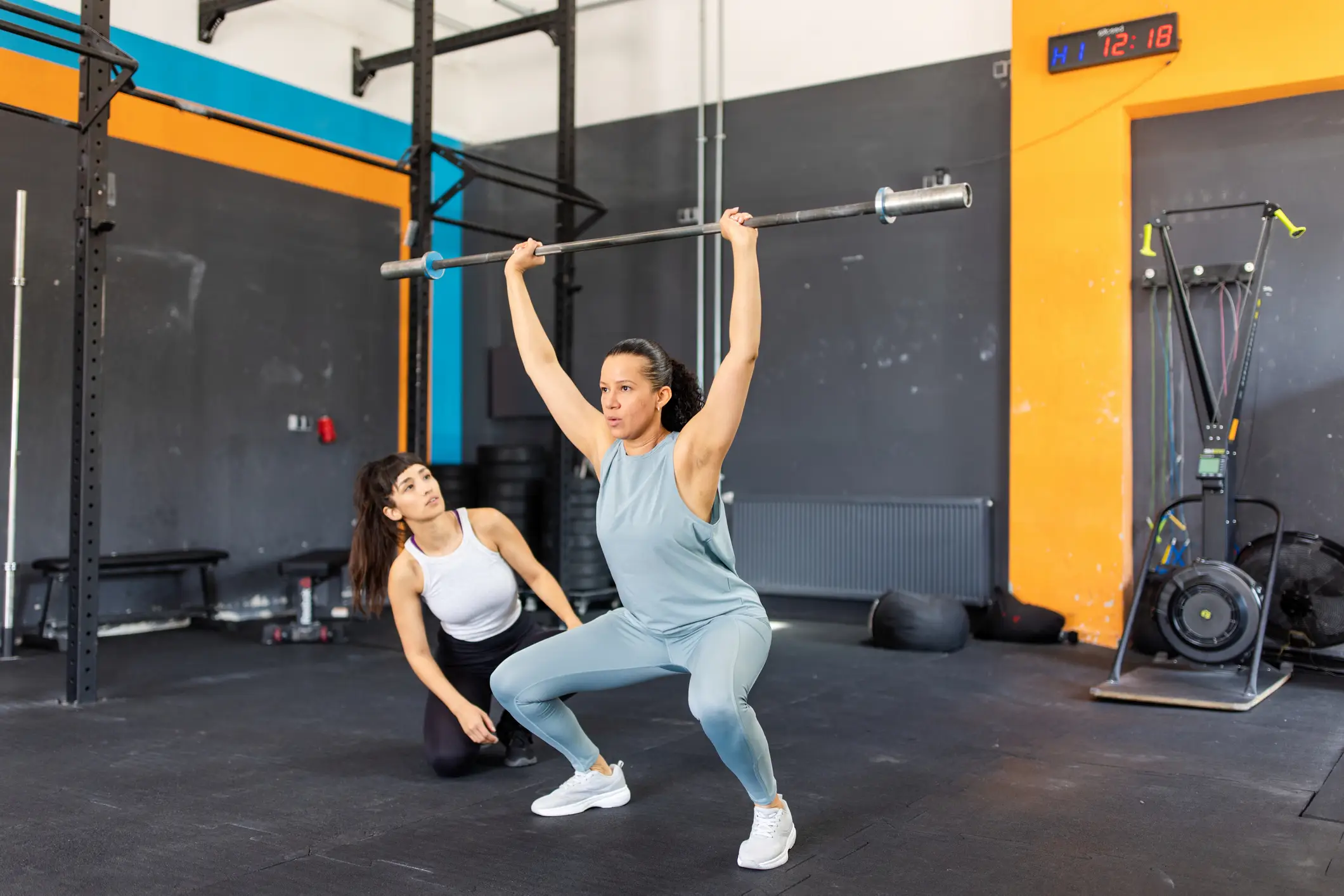
There are some things to look out for when it comes to squats according to the health expert, as she added to the Mail: "If the lower back feels tight, it can pull the hips upward, limiting depth and proper alignment."
Topics: Fitness, Health, Community, News, Food and Drink
 Callum Jones