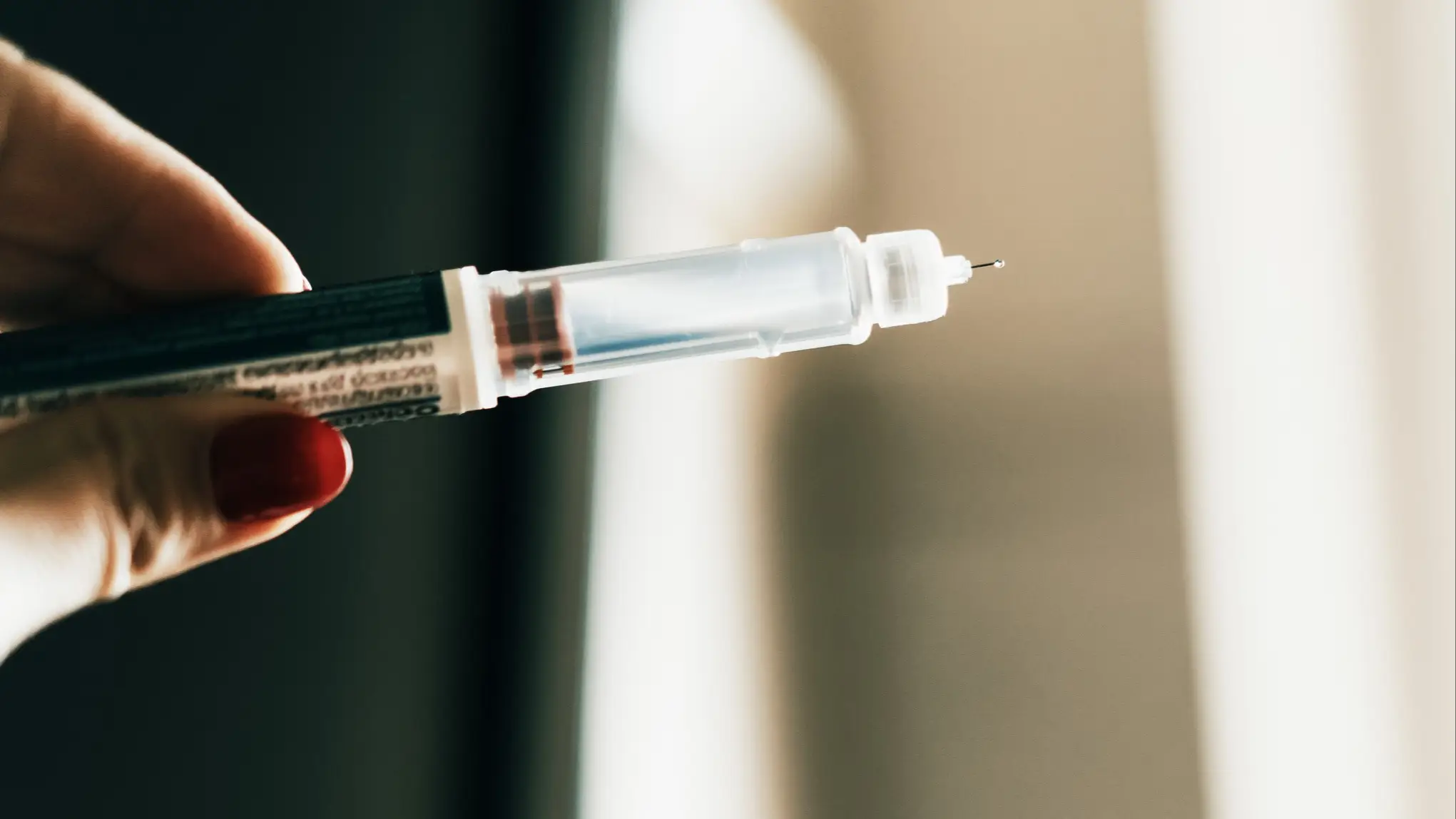
Expert reveals the truth about ‘trendy’ peptide injections as RFK Jr backs wider access

Peptides have gained popularity online, with celebrities including Kris Jenner admitted to have used them. Now, Health Secretary Robert F. Kennedy Jr. has backed broader access to peptides for citizens.
Firstly, what are peptides? Well, they ‘are strings of molecules called amino acids, which are the building blocks of proteins,’ Web MD states. They’re naturally produced by the body, and act as messengers telling cells what to do.
Many people are now injecting these peptides, as it delivers these signals directly into the blood stream. This way, they avoid the gut, where they may have broken down.
Health Secretary Robert F. Kennedy Jr has backed the use of peptides, telling Joe Rogan he's a 'big fan'. Recently, it was reported that the FDA are meeting in July to consider loosening restrictions around certain peptides
Advert
However, the American Medical Association states that "some injectable peptides are not regulated and may carry real health risks."

Although studies are limited, a number have been carried out, and GLP-1 drugs like Ozempic and Wegovy classify as peptides.
However, drugs like 'internet popular' BPC-157, TB-500 have not yet gone through clinical processes that make medicines credible, including medical trials, which is why experts warn users about the risks.
Many are also not FDA-approved as a treatment for people. But what research has been done on these?
In a deep dive by the Daily Mail's health editor, they state that BPC-157 was discovered in the early 1990s, with early research focus on gut benefits. Animal studies showed it could support tissue repair and calm inflammation. However, despite promising studies, the evidence in it helping humans is thin, the publication state
Studies have included such a small number of participants and are very limited, and therefore conclusions on benefits and risks cannot be drawn. Plus, factors such as doses are unclear.
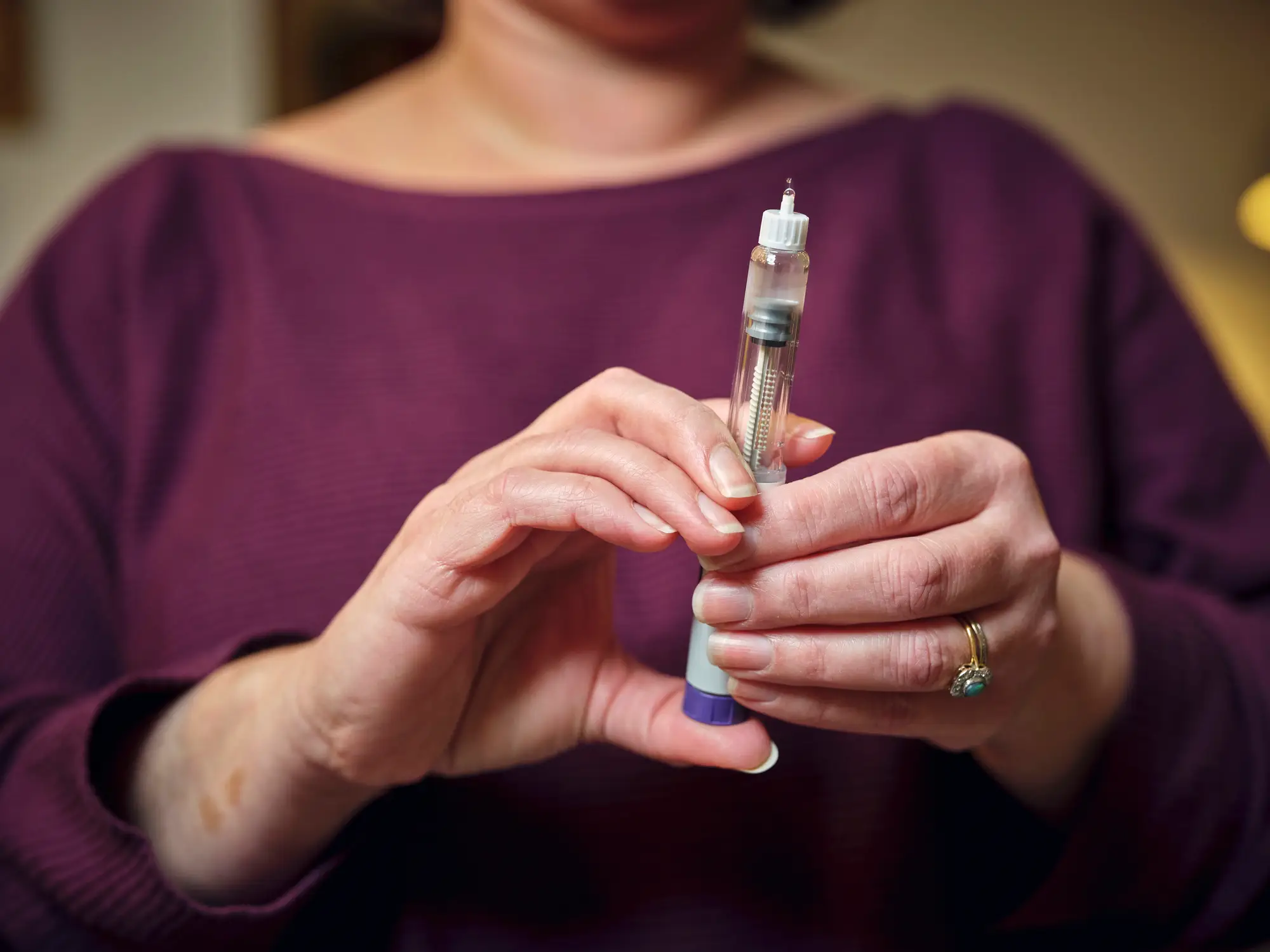
TB-500, on the other hand is a synthetic peptide derived from the active region of Thymosin Beta-4, which is said to help tissue repair, cellular regeneration and also aid in reducing inflammation.
Again, the publication states that researches are beginning to study the effects on people, although at the moment they're looking more into safety than recovering injury.
"TB-500 is a smaller piece of thymosin beta 4. This means that research on thymosin beta 4 does not necessarily show that TB-500, the version most commonly sold online, helps a person recover faster from a tendon, muscle or joint injury," the publication states.
The AMA says: "While peptide therapy may possess significant therapeutic and regenerative potential, it is critical that orthopaedic and sports medicine providers understand the current lack of evidence to support the clinical use of these peptides."
As always, those with any health questions or concerns should consult their doctors.
Topics: Robert F Kennedy Jr , Health, Drugs
 Kiesha Dosanjh