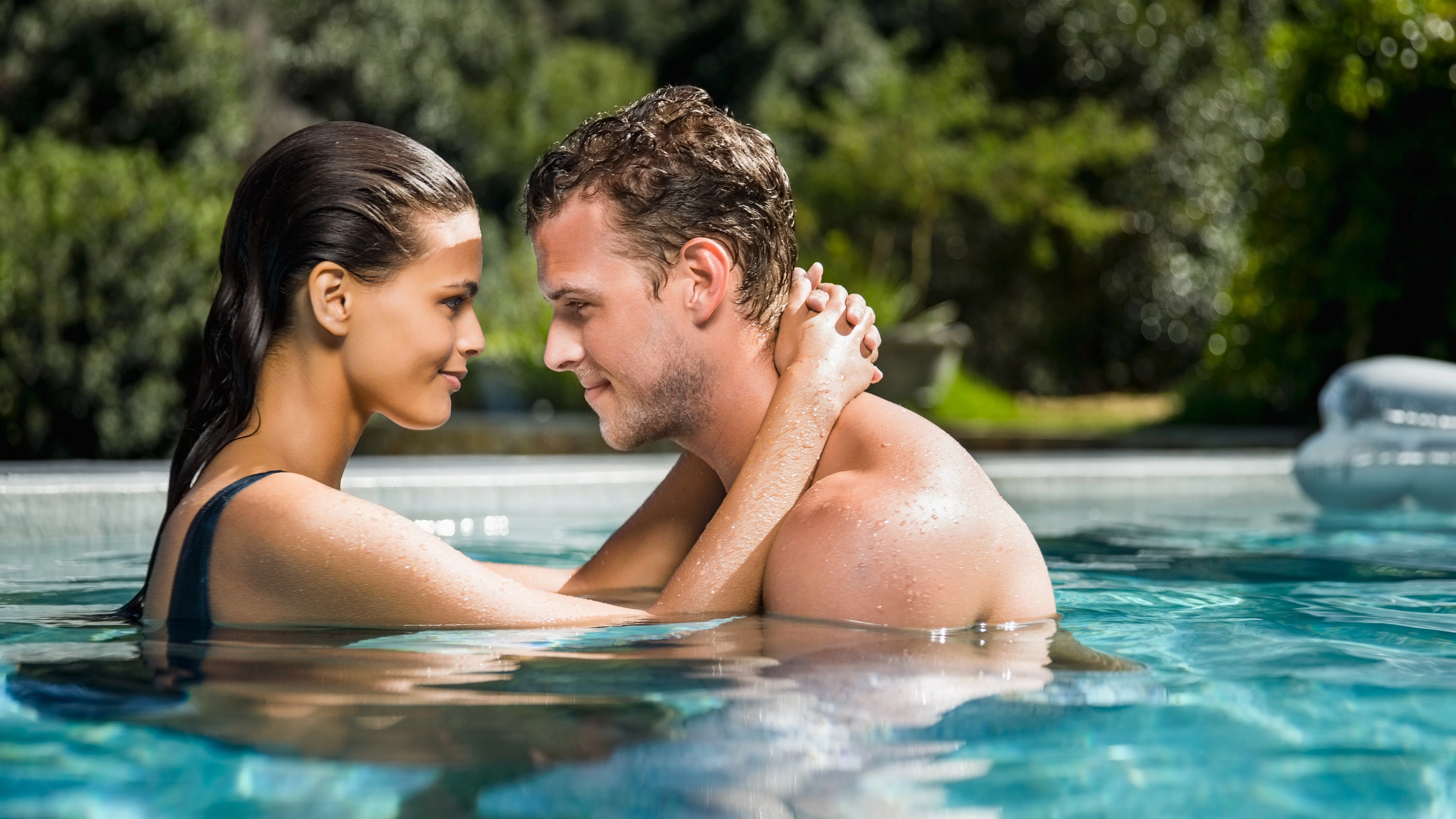
Expert warns pool sex may pose unexpected risks that affect women more than men

Considering engaging in some saucy play in a private pool? You might want to hold off until you find out what the experts have to say about it.
It doesn’t matter if you’ve watched romance films, more adult movies, or gritty TV shows...at some point, there’s probably going to be a scene where a main pairing in the cast starts having sex in a body of water.
Usually, this is a well-lit pool area that’s communal, and it’s safe to say that this detail could make the act a little too risky to enjoy.
While there are risks for both men and women in this regard, it seems that women get the brunt of the issues, particularly when it comes to potential medical problems...and itching.
Advert

According to pharmacist Thorrun Govind, they explained to Metro that it’s just not worth the problem.
“Having sex underwater isn’t automatically dangerous, but it introduces risks that people often don’t think about,” she explains. “Water environments increase exposure to chemicals, bacteria and irritation.”
Mm, sounds burn-y.
It’s those chemicals like chlorine and the bacteria from other people who have been sloshing about in the water that can end up causing some women to develop uncomfortable problems down below.
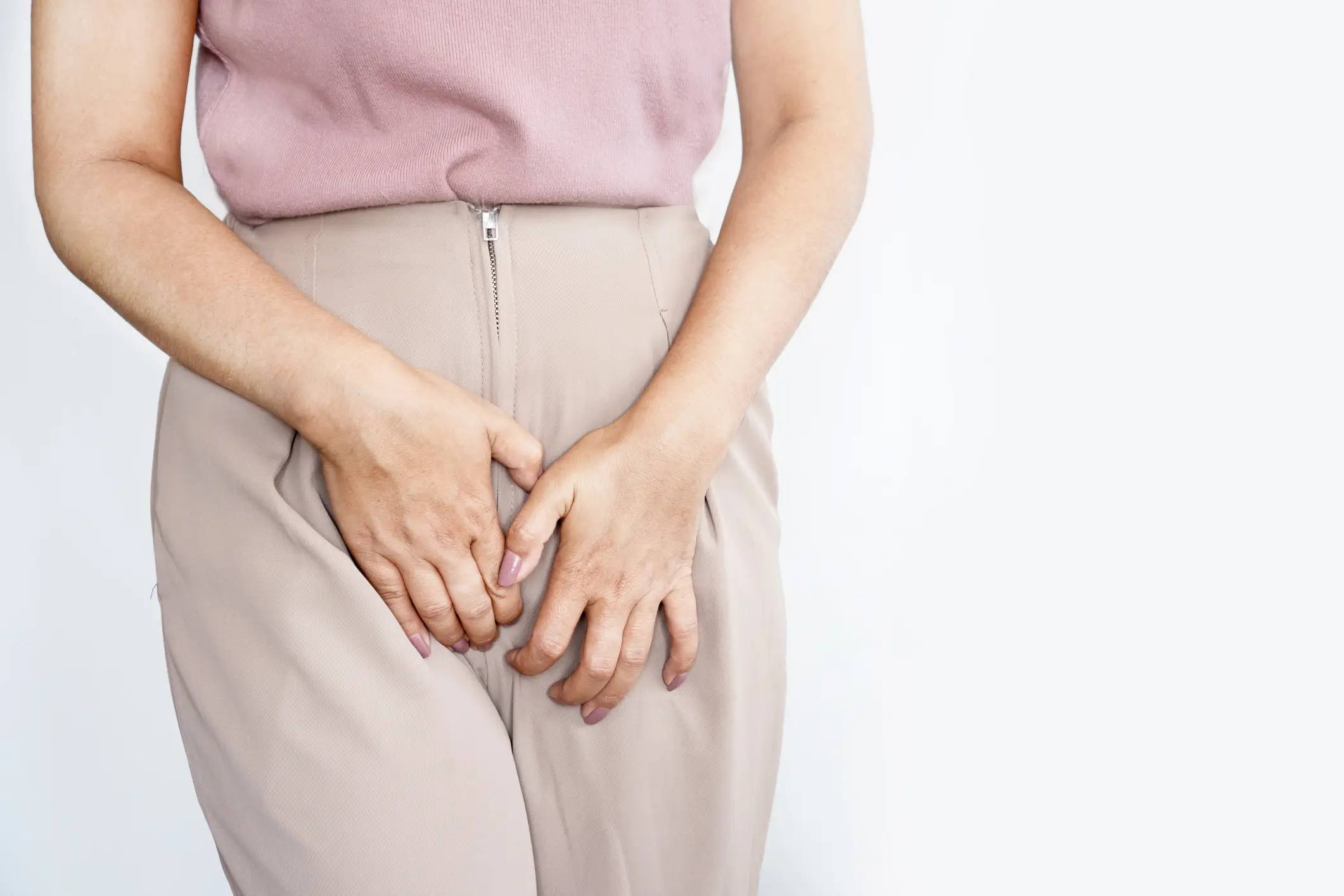
“Dirt or organic matter in environments such as lakes or poorly maintained hot tubs and pools can mean the vagina’s delicate balance of bacteria and PH that protects against infections gets disrupted,” Govind said.
There’s also the issue of the legal implications if you get caught in the pool, because if someone sees you, they’ve been made to act as a voyager to your escapade. Non-consensually, which is a crime.
“But safe and enjoyable pool sex usually requires way more effort than most are willing to invest in real life,” says Jackie Walters, OB-GYN, who spoke with Healthline.
However, she did say that ‘getting playful on the pool deck (if other people aren’t around) can be just as fun’, but to be mindful of the health risks.
“If chemically treated water gets into the vagina, it can alter the normal pH of the vagina, which increases the risk of vaginal infections like yeast infections,” Jackie said.
Although, be careful, as you still need to be mindful of conception.
“External latex condoms are likely to slip off when used in the water, and dental dams can easily slip,” she said. “There’s also the possibility of water getting trapped between the barrier and the body, which loosens them, increases the risk of slippage or rips, and thus reduces its effectiveness.”
So, just be safe!
Topics: Sex and Relationships, Health
 Britt Jones