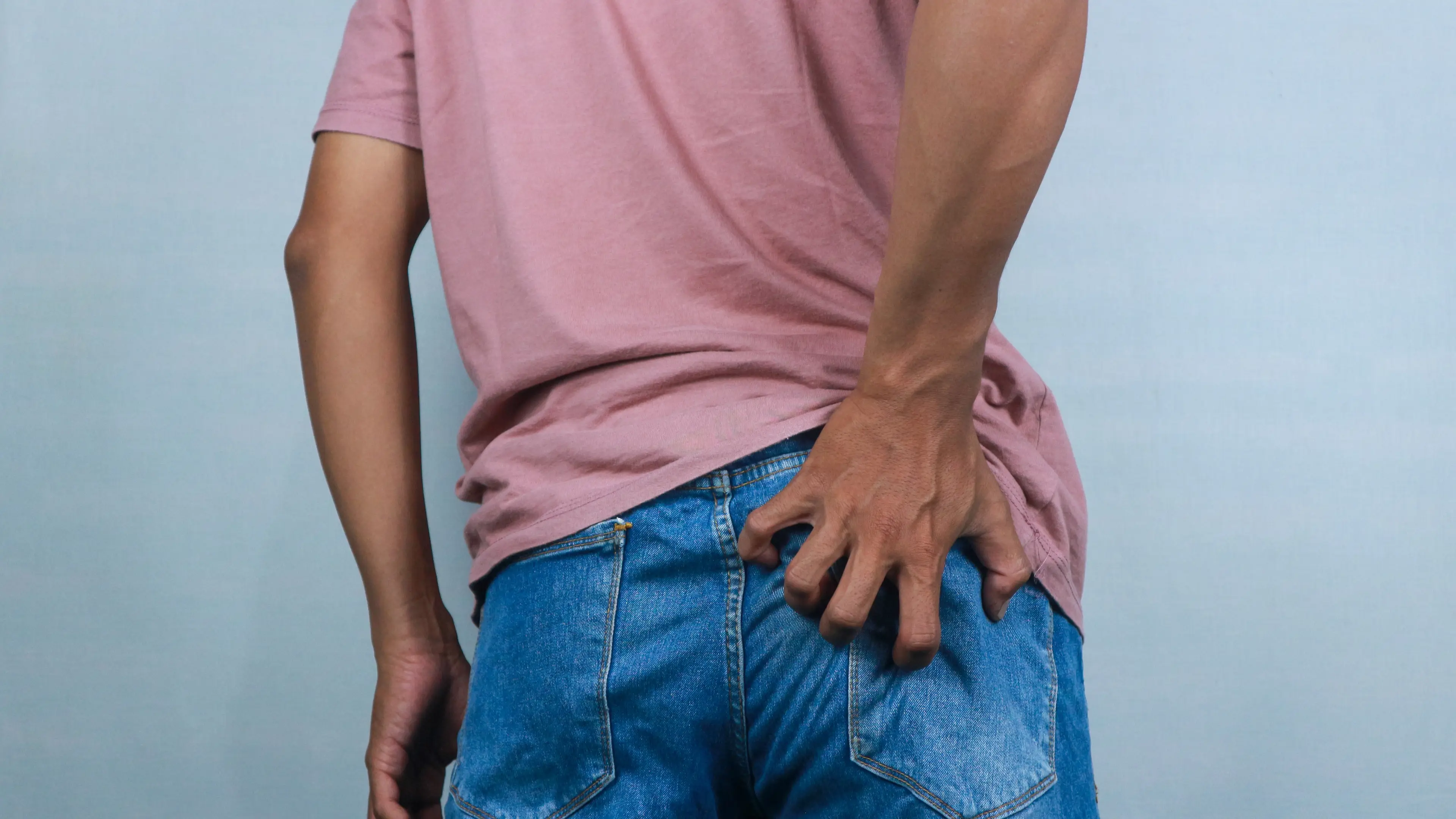
Expert explains 'Pruritus Ani' symptom as new study confirms 61% of men experience it

Experts have broken down exactly what a common health issue called pruritus ani is, and it's likely you'll have experienced it at some point in your life.
Pruritus ani is the medical term for anal itching, or an 'itchy bum', though a new study has revealed that around 61 percent of UK men have experienced this at some point in their lives.
However, only 12 percent of the men involved in the survey conducted by Anusol said they had heard of the term pruritus ani, and a staggering 43 percent admitted they had no idea what the term meant.
Symptoms had also been overlooked by many, with only 34 percent of participants knowing exactly what they were dealing with.
Advert
Many sufferers will focus on the itch they are experiencing rather than look into the underlying cause, and it's believed there is also a level of embarrassment people feel having to seek medical attention for pruritus ani, with over a quarter of the men surveyed admitting they'd avoid buying treatment because it was 'too awkward'.
What is pruritus ani?
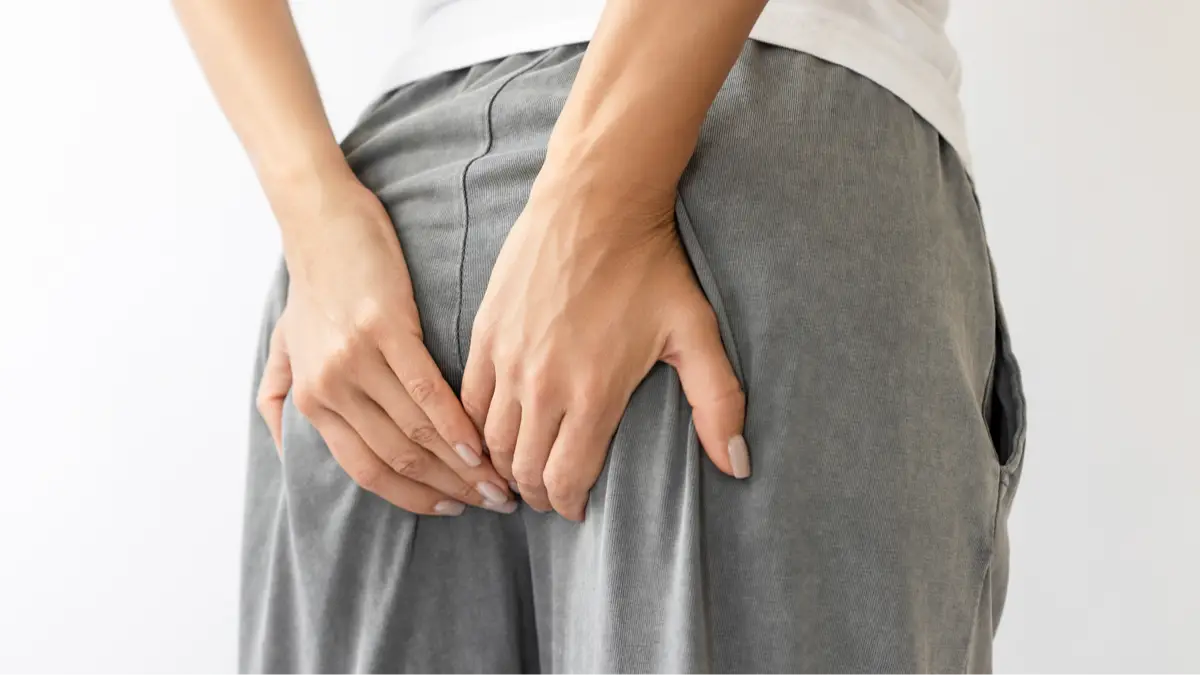
Pruritus ani is the official medical term for itching around the anus. It can also refer to a burning sensation around the anus.
It is common and impacts up to one in 20 people, though it occurs more often in men than women and is more common in those aged between 40 and 60.
The degree of discomfort differs from person to person, with some experiencing mild symptoms while others experience soreness and irritated skin, which may be worse at night.
"Pruritus ani is the medical term for itching around your anus, but it’s important to understand that it’s a symptom, not a condition in itself," explains Ian Budd, lead prescribing pharmacist at Chemist4U.
"The main sign is itching, which can range from mild to quite intense, and may be worse at night. Some people also experience soreness, redness or irritated skin, especially if there’s been a lot of scratching."
What causes pruritus ani?
Pruritus ani can be caused by a whole range of things, and a doctor can help determine exactly what the cause is.
Common causes include stools staying in contact with the skin around the anus and therefore causing irritation. Not cleaning the area properly can lead to pruritus ani, while frequently over-cleaning the area can also cause irritation.
Less common causes include skin conditions around the anus, like eczema, thrush, psoriasis and fungal infections, and threadworms, though this is much more common in children than adults.
Allergies to things such as toilet roll, perfumes or skin irritation caused by certain products can lead to pruritus ani, as well as sweating, especially if long periods of time pass without ventilation to the area or you wear tight underwear.
Avid gymgoers may be more likely to struggle with pruritus ani, with sports like running and cycling often bringing on symptoms.
Can you prevent pruritus ani?
So, is there a way to stop yourself getting pruritus ani? Thankfully, yes.
Reducing the risk of developing an itch near that region is all down to managing the factors that contribute to irritation.
Breathable underwear that isn't tight-fitting is key, and if you know certain foods trigger it, it's best to avoid them.
Staying on top of hygiene is very important, though experts warn not to overdo it as excessive washing can actually make your skin more irritated.

"Reducing your risk is really about managing the factors that can trigger irritation or underlying issues," says Ian.
If your symptoms don't calm down, seeking help from a GP is recommended, as they can help to treat the underlying causes.
Treatment for pruritus ani
A GP will make a diagnosis by examining the affected skin and listening to your medical history. Extra tests may be carried out after examination if a doctor feels they're necessary.
There is no singular treatment for pruritus ani, but it is important to get the correct diagnosis so appropriate treatment can be given, according to the British Association of Dermatologists.
Treatments include a soothing cream, ointment, a course of steroid cream or antihistamine, and haemorrhoid creams, in certain cases.
If your doctor suspects you have a rare cause of pruritus ani, they may suggest other creams or tablet treatments.
Topics: Health
 Danni King