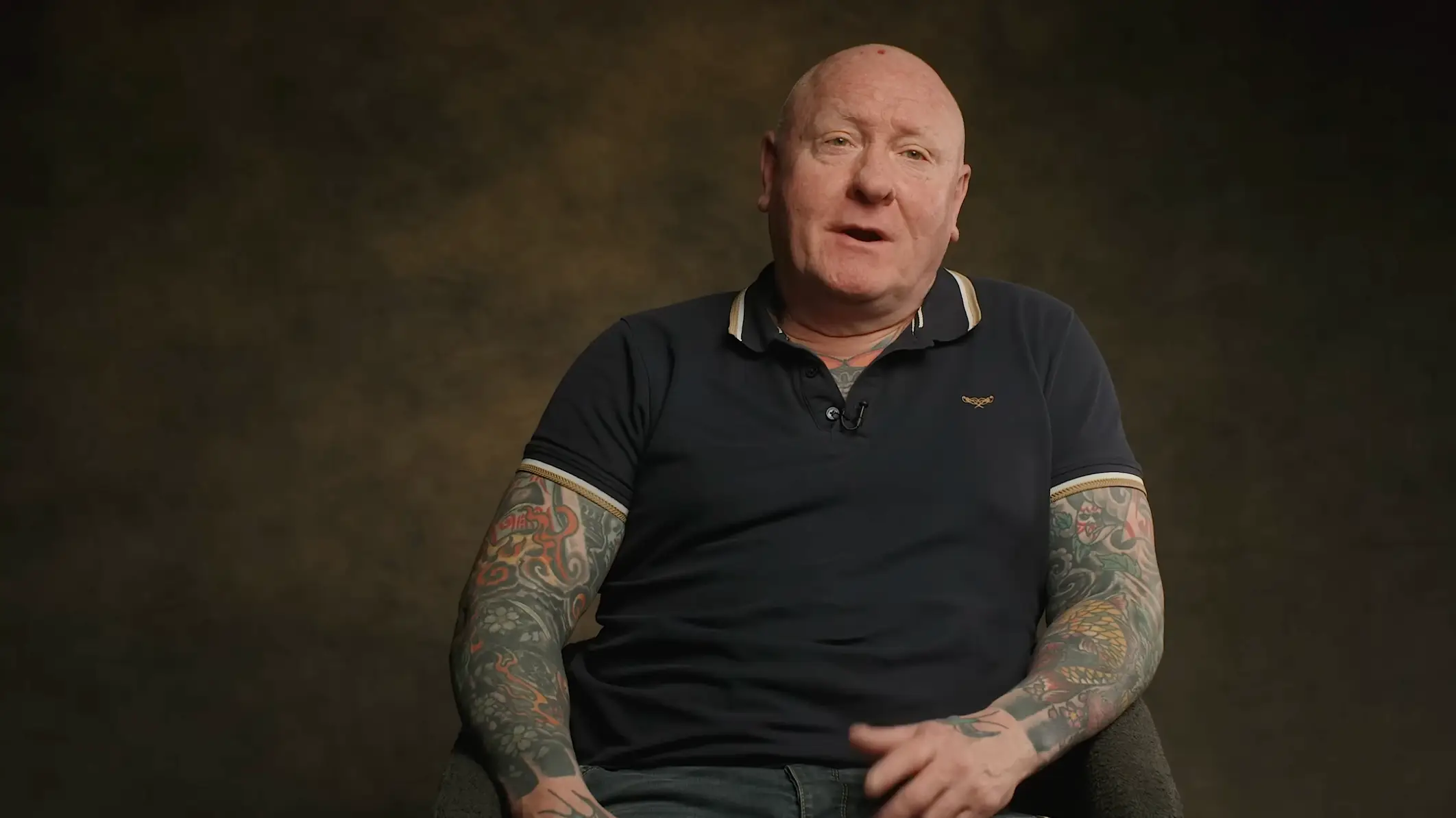
Embalmer who’s worked on 10,000 dead bodies gives surprising answer when asked what he wants to happen to him after death

Warning: This article contains discussion of after-death processes which some readers may find distressing.
An Embalmer and Postmortem Reconstruction Specialist has opened up about the process of embalming and his attitude towards what happens to his own body after death.
When someone dies, there's a range of options for a body after death, from traditional burials and cremation to natural burial, human composting and even something called aquamation.
Before you decide where your loved one is laid to rest, they have the option of undergoing a process called embalming.
Advert
Martin Jeffrey has worked with the dead for over 30 years and has since shared further insight into his career, how he first got into embalming and what he'd want for his own body when the time comes.
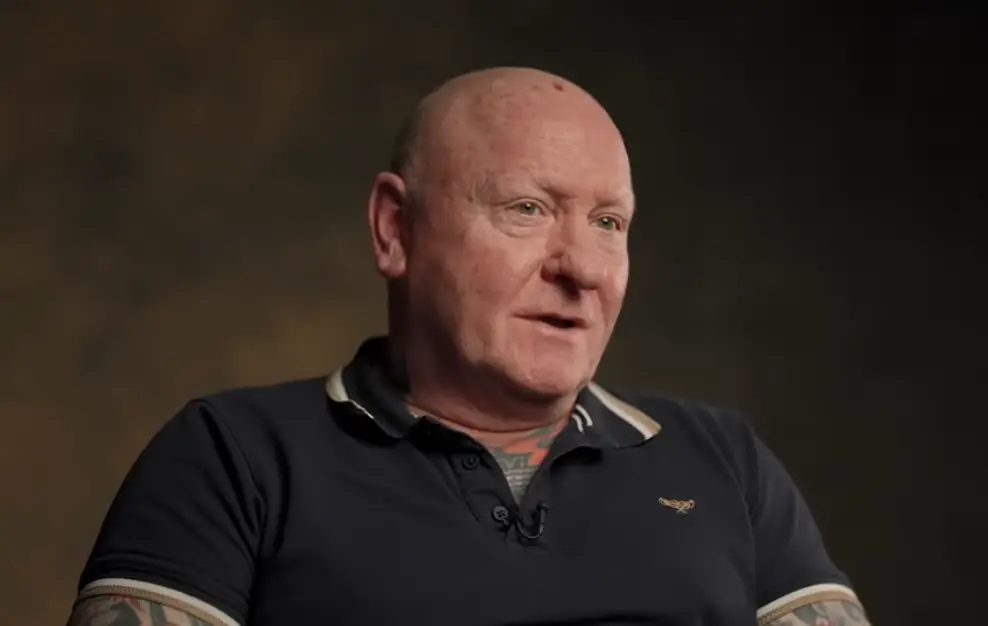
The process of embalming typically takes place in a funeral parlour ahead of the person's body being laid in the chapel of rest ahead of their funeral.
Embalming sees the person's body 'preserved using preservatives to slow down the effects of natural deterioration,' as explained by Co-Op Funeral Care.
The process sees a person's blood replaced with preservative fluid and typically takes between two-to-four hours to complete.
It can help 'the person appear more restful and can even help with the effects of disease or other causes of death' which can help people find more 'closure'.
Embalming is a personal choice and is not required by law unless the person who's passed away has to be transported abroad for their funeral.
During an interview with LADbible Stories, Martin explained he first got into embalming when he helped his employer with a person's body which needed transporting back from Ireland.

After doing that and making the person 'presentable from viewing' Martin decided to focus on a career in embalming.
Martin continued: "I think the fears of death and the uncertainties were replaced by sort of a competence of doing the job.
"And I swapped it all for treating people with dignity and making sure they get treated well and solving the problems that we face with dead bodies."
Despite his specificity in wanting to pursue a career in embalming, Martin reflected he's 'genuinely' 'never really thought about' what will happen to his own body when the time comes and he passes away.
He may channel a distinct level of care and scrutiny in his job role, but when it comes to his own body he's happy to put the control in the hands of his wife.
He continued: "When I die, I die. And what funeral directors I go to, that'll be up to my wife. It's just not something that really bothers me.
"I'm not going to worry about it. It could be tomorrow, it could be 20 years, you know? So for me, it's not worth thinking about and worrying about, cause it'll happen when it's gonna happen."
If you have experienced a bereavement and would like to speak with someone in confidence, contact GrieveWell on (734) 975-0238, or email [email protected].
Topics: Health
 Poppy Bilderbeck