
Doctor explains when stomach pain should worry you with 4 signs to look out for

Experiencing pain in your stomach is one of those symptoms that can often be dismissed as a minor ailment, more likely the result of a dodgy meal than a sign that something is seriously wrong.
But sometimes certain stomach pains can be a massive red flag, telling you to seek urgent medical care as it can signal everything from intestinal ischemia to peritonitis and even a blocked aorta.
Telling a bit of indigestion from one of these more serious conditions is not easy though, so an emergency doctor has explained how to tell a normal stomach pain from something that should have you rushing to the hospital.
Branding himself as the 'healthcare Gordon Ramsay' on Instagram, Dr Ahmed started his top tips for stomach pain by telling his audience: "Shut up and listen. This is how you know your stomach pain is something to be worried about or not."
Advert

The first major medical condition that the doctor said could be responsible for certain kinds of stomach pain is also among the most serious - a blocked aorta.
Dr Ahmed said: "Number one, if you've got sudden severe or tearing abdominal pain like Darth Vader has just jabbed you with his lightsabre, yeah, that's your aorta booking into Hotel Jesus. Come to me before your reservation's complete."
This is the body's largest artery and is responsible for transferring oxygen rich blood from the heart to the rest of your body's circulatory system. So to say that a blockage here is a serious problem is something of an understatement.
If your aorta is blocked you may experience this pain when you are active, with it stopping when you rest. Men can experience erectile dysfunction as a result of a blocked aorta, while numbness and stabbing pains in your buttocks, thigh and calves are other warning signs.
The second major issue that stomach pain can be an indicator for is, of course, intestinal obstruction. While this might sound like a relatively minor ailment, you should seek help as soon as possible.

Dr Ahmed explained: "Number two, if you're bloating up, haven't farted for a day, and are throwing up some brown weird stuff now with lots of abdominal pain, yeah buddy, that's Gandalf in your intestines shouting at poo 'you shall not pass!' That's an intestinal obstruction. Come to me quickly."
Obstructions can be caused by a number of things, whether thats by scar tissue that forms after a major surgery, hernias, or cancers that affect the colon. Although these causes are fairly commonplace, you have at most 48 hours before suffering likely life-threatening complications.
This is because an obstruction here can cause your bowel to asphyxiate and die, or rupture and spill its contents into your body cavity. While this sounds bad, without treatment, you would also bleed out fairly quickly.
The third major medical malady highlighted by the emergency doctor is peritonitis, which isn't a particularly catchy name, but can develop into a life-ending problem.
Dr Ahmed said: "Number three, if you've got loads of abdominal pain [and] you can't even stand up straight or even lie straight, you're walking around like a Hunchback... or something like that, that's peritonitis. Something's launched a grenade inside your tummy, come to me quickly before you Jesusify."
Peritonitis is simply the inflammation of the inner lining of your stomach, which doesn't sound too bad, but could kill you if left untreated. While its causes range from Crohn's disease to a stomach injury, its end results are quite terrifying.
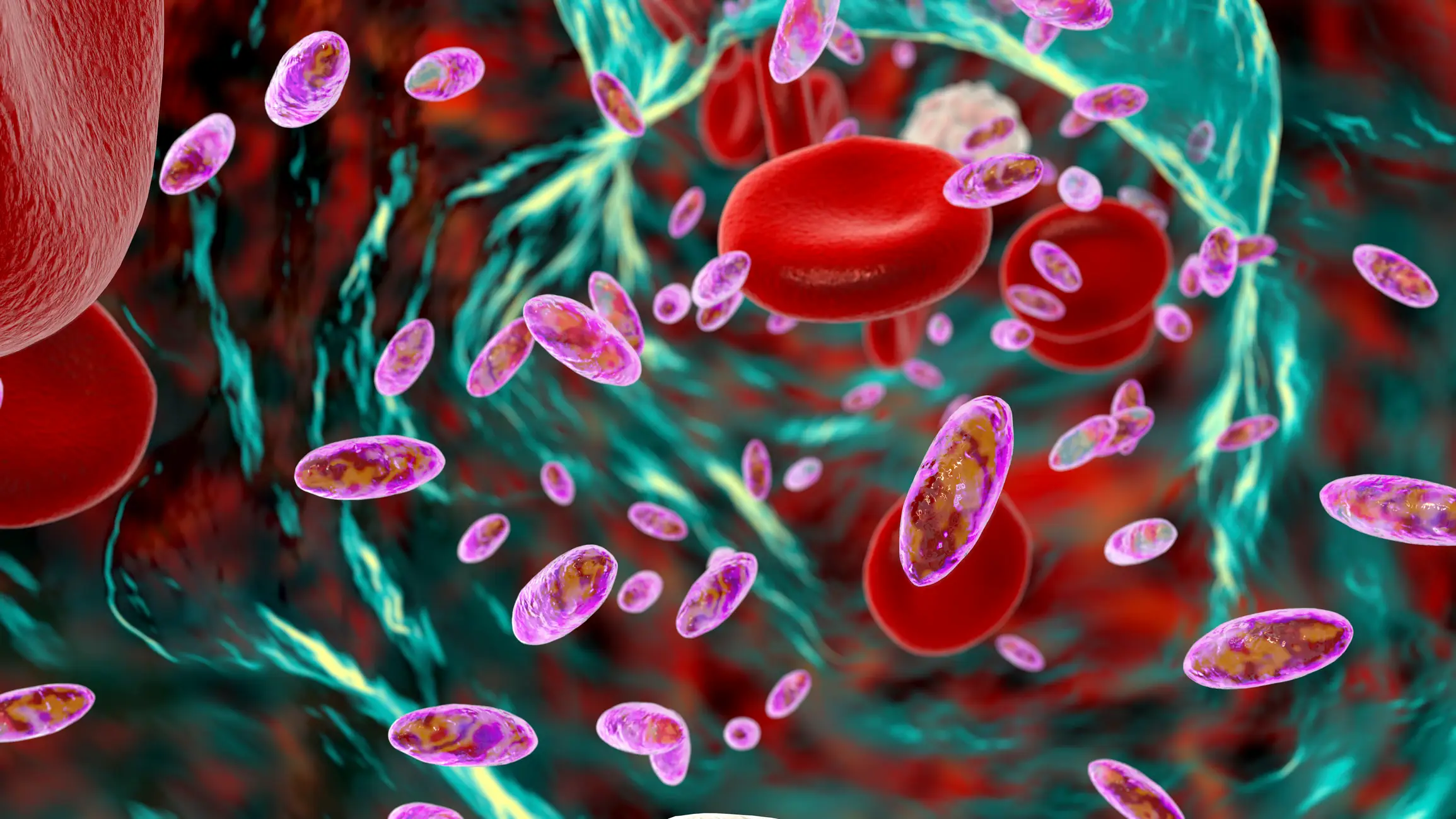
Without treatment, you will rapidly develop sepsis as this damage to the stomach lining allows bacteria to enter your bloodstream. This sends your whole immune system into shock, dropping your blood pressure and triggering organ failure.
Symptoms include stomach pain, a very high temperature, a rapid heartbeat, and a swollen tummy.
Dr Ahmed's final morbid piece of advice regarding stomach issues is perhaps the least painful of the lot, but if left undiagnosed, it can cause permanent damage to your intestines and even death.
The doctor said: "And finally, if your pain isn't that bad, it's dull, it's crampy, it's a bit annoying, but you're pooping black or reddish blood, buddy, your intestines have already checked out and gone west to Valinor. Come to me quickly, because that might be intestinal ischemia."
Valinor, for those out there with a life, is the semi-mythical immortal realm beyond the sea in JRR Tolkien's Lord of the Rings. But while 'ischemia' could be the counterpart to Isengard, its impact is anything but fantasy.
Intestinal ischemia occurs when blood flow to this part of the body is restricted or stopped entirely, triggering a number of scary symptoms from bloody poos to nausea and sudden and very severe stomach pain.
These symptoms can come on slowly if the blood flow is only restricted, with a dull stomach pain growing over the course of weeks as your intestines slowly atrophy, triggering unexplained weight loss and diarrhea.
Topics: Health
 William Morgan