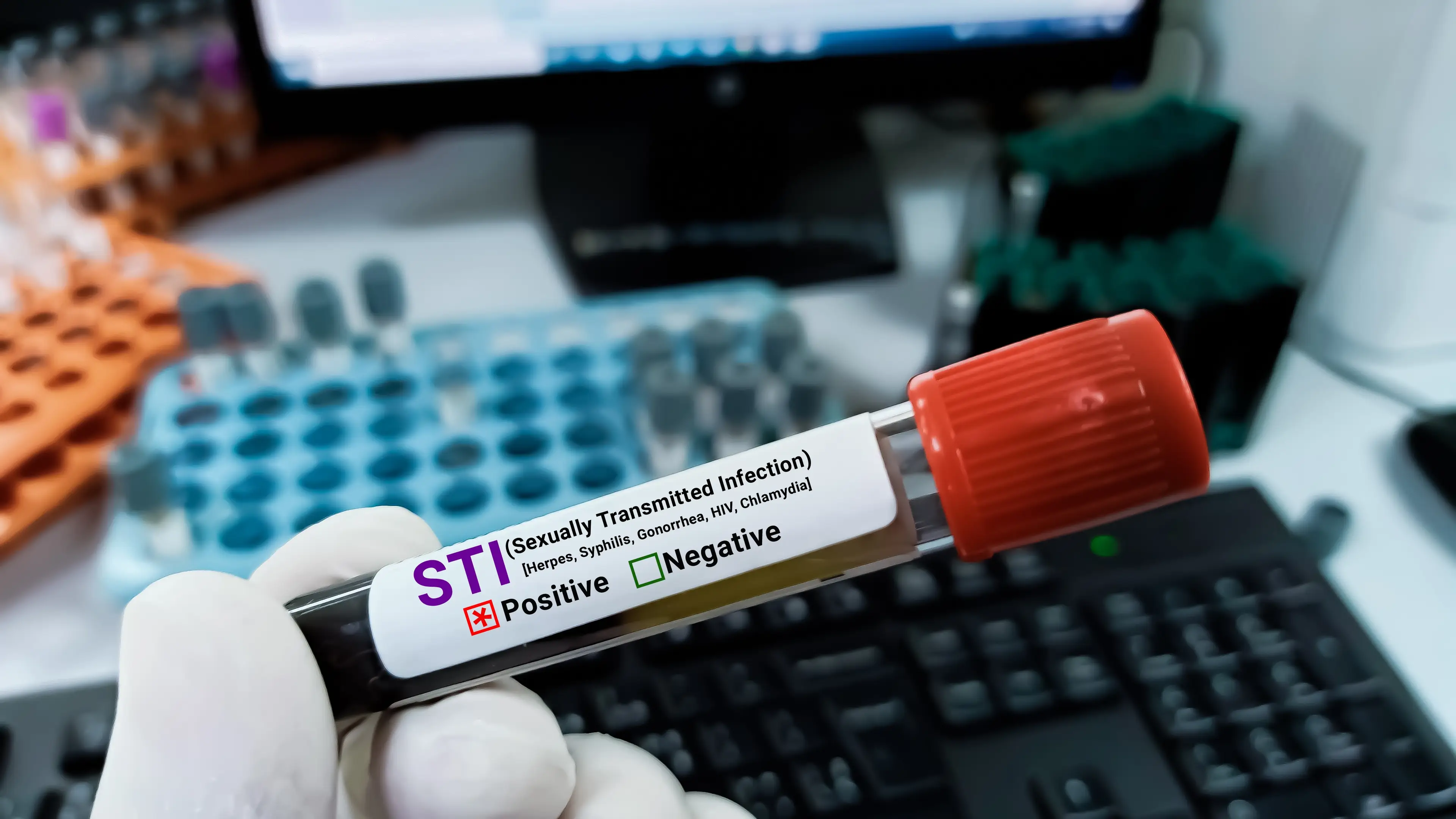
Doctor explains symptoms of antibiotic-resistant STI that less than 15% of people have heard of

A doctor has explained how to spot a less well-known STI which many people don't even know exists.
Sexual health is hugely important, with regular screenings recommended if you are having sex, particularly with multiple partners.
While some infections can be treated with a course of antibiotics, others require long term medication to manage symptoms and prevent further infection.
Some infections are more widely known, for example chlamydia, but despite affecting a similar number of people, one condition appears to have gone relatively unnoticed.
Advert
Public awareness on health is always important, and sexual health is no different as if people don't know what to look out for then they may unwittingly pass the condition on to someone else.
Fortunately, a doctor has now shared some of the symptoms of this condition, but what is it?

It's called Mycoplasma genitalium, or Mgen for short, and even though it was first known to science in 1981 a proper test for it was only developed decades later in 2017.
This is similar to chlamydia, but is more difficult to deal with.
The infection affects the urethra, cervix, as well as the rectum sometimes as well.
But what are the symptoms?
Some include pain or a burning feeling when you're urinating, discharge from the penis and unusual vaginal discharge, bleeding after sex, itching in your genitals, inflammation in the rectum, pain or discomfort in the pelvis, and pain in the testes.
Alarmingly though, many of those symptoms are also not dissimilar to symptoms of other STIs, and Mgen sometimes doesn't have symptoms so people may not realize they have it.
Dr Nikki Ramskill is the founder of The Female Health Doctor Clinic, and explained some of the background around Mgen.

She told Metro: "The tricky part is that these symptoms look very similar to other common STIs."
This crossover in symptoms means you may need to get a specific screening for Mgen to rule out other conditions which might appear similar.
"Mgen isn’t included in standard STI screening unless there’s a specific reason, like persistent symptoms."
This could be a serious problem, as while some symptoms are unpleasant, others could cause dangerous medical complications.
Cleveland Clinic warns that Mgen can lead to ectopic pregnancy, which can be very dangerous if not treated.
In some cases, it can also lead to female infertility.
But Dr Ramskill also explained that there is a reason why testing could also pose a public health risk - antibiotic resistance.
"Widespread testing could lead to unnecessary antibiotic use, which is a real concern given how resistant this infection already is," she said.
Topics: News, Health, Sex and Relationships, World News
 Kit Roberts