
unilad homepage
  • News
    • UK News
    • US News
    • World News
    • Crime
    • Health
    • Money
    • Sport
    • Travel
  • Film and TV
    • Netflix
  • Music
  • Tech
  • Features
  • Celebrity
  • Politics
  • Advertise
  • Terms
  • Privacy & Cookies
  • LADbible Group
  • LADbible
  • SPORTbible
  • GAMINGbible
  • Tyla
  • UNILAD Tech
  • FOODbible
  • License Our Content
  • About Us & Contact
  • Jobs
  • Latest
  • Archive
  • Topics A-Z
  • Authors
Facebook
Instagram
X
Threads
TikTok
YouTube
Submit Your Content
Study reveals the one activity that can delay dementia by 5 years and reduce risk by 38%

Home> News> Health

Published 17:06 2 Feb 2025 GMT

Study reveals the one activity that can delay dementia by 5 years and reduce risk by 38%

All of the activities are relatively common

Gerrard Kaonga

Gerrard Kaonga

google discoverFollow us on Google Discover
Featured Image Credit: TEK IMAGE/SCIENCE PHOTO LIBRARY/Getty

Topics: Mental Health, Health

Gerrard Kaonga
Gerrard Kaonga

Gerrard is a Journalist at UNILAD and has dived headfirst into covering everything from breaking global stories to trending entertainment news. He has a bachelors in English Literature from Brunel University and has written across a number of different national and international publications. Most notably the Financial Times, Daily Express, Evening Standard and Newsweek.

Advert

Advert

Advert

Researchers have found there is a simple way that the elderly can reduce their chance of suffering from dementia and extend their life.

As you get older, you might have growing concerns about your cognitive ability.

While there are things that you can do when you are young to help reduce the chance of mental decline, like a good diet and regular exercise, a new study has found that regularly doing these simple tasks can delay dementia by 5 years and reduce its overall risk by 38 percent.
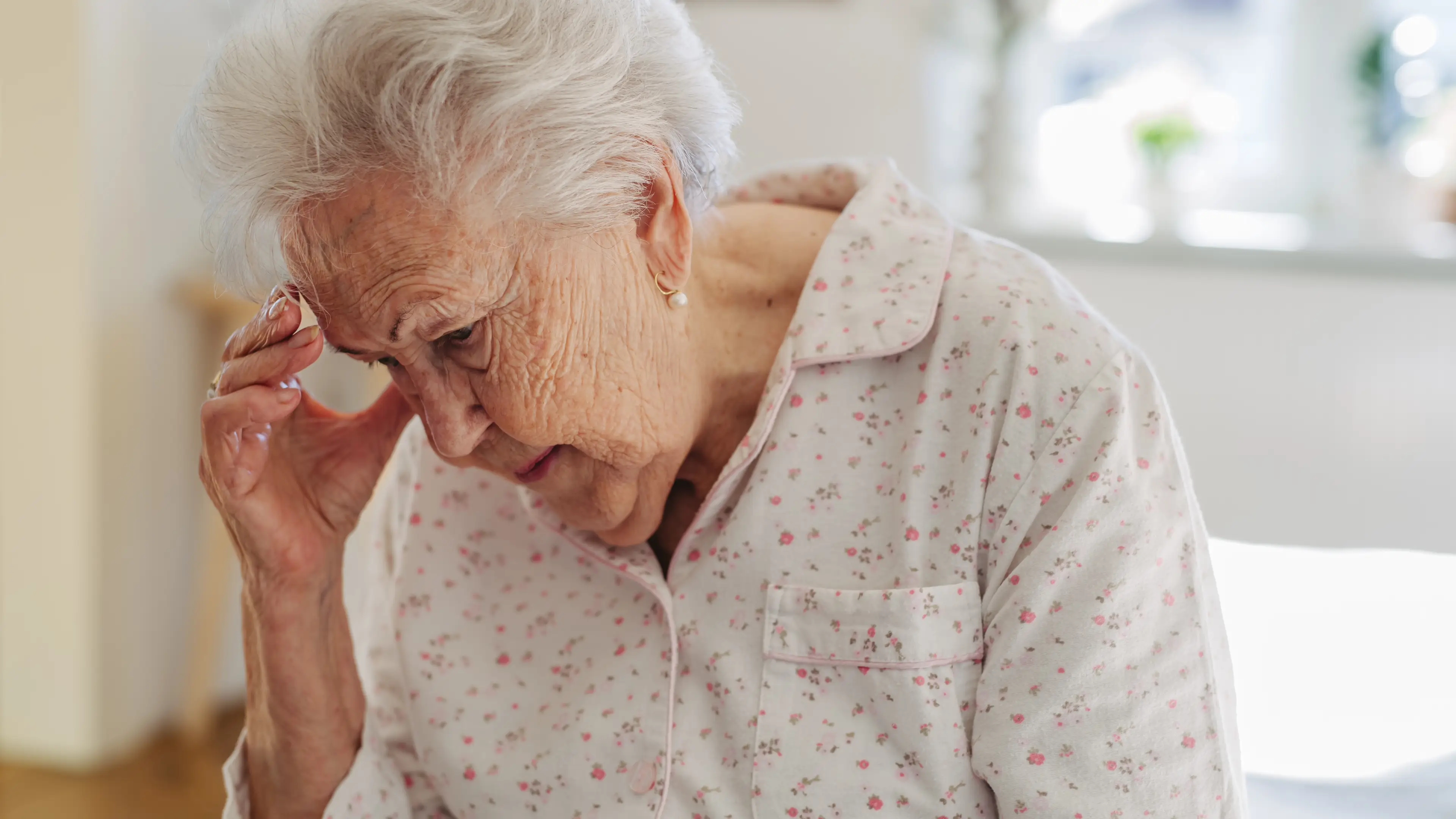
Dementia often becomes a concern for many elderly people (Getty Stock Image)

Advert

For the study, Rush University Medical Center researchers followed 1,923 older adults who were initially free of dementia, checking in with them annually to monitor their social activity and cognitive health.

Over nearly seven years, 545 participants developed dementia, while 695 showed signs of mild cognitive impairment.

The team concluded that those that more frequent social activity was linked to a 38 percent lower chance of developing dementia and a 21 percent lower risk of mild cognitive impairment.

And that social activity could be just about anything, dining out with friends, attending religious services or just staying connected with other people.

In a press release Bryan James, PhD, associate professor of internal medicine at Rush explained their findings.

He said: “This study is a follow up on previous papers from our group showing that social activity is related to less cognitive decline in older adults.

“In this study, we show that social activity is associated with an increased risk of developing dementia and mild cognitive impairment, and that the least socially active older adults developed dementia an average of five years before the most socially active."
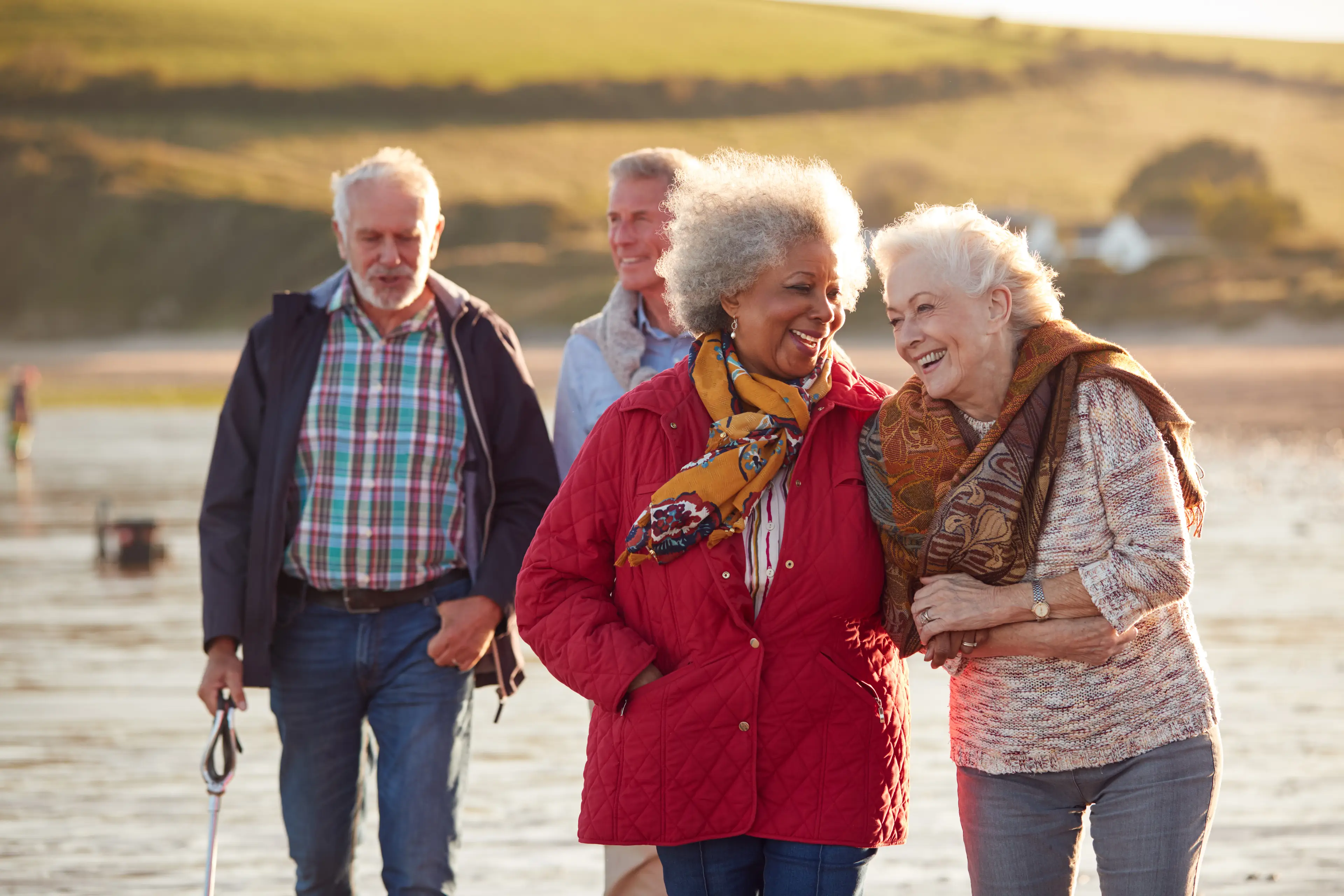
According to the study socializing can massively reduce the risk of dementia (Getty Stock Image)

What's more, a five-year delay in getting dementia is estimated to mean a three-year boost to life expectancy.

Social activity was measured based on a questionnaire how frequently they did six common social activities. According to the press release, these examples were whether they went to restaurants or sporting events, played bingo, took day or overnight trips, did volunteer work or visited relatives or friends.

The reason why socializing plays a role isn’t completely understood at this point, however there are theories on how it is helping the brain.

James suggested: “[One possibility is that] social activity challenges older adults to participate in complex interpersonal exchanges, which could promote or maintain efficient neural networks in a case of ‘use it or lose it.”

Choose your content:

an hour ago
2 hours ago
  • (Photo by Jim WATSON / AFP via Getty Images)
    an hour ago

    Trump's approval rating revealed in poll as Americans question president's mind

    The president attended a marathon Bible reading this week

    News
  • BRENDAN SMIALOWSKI/AFP via Getty Images
    an hour ago

    Trump slammed for reading Bible passage after bizarre response to naming his favorite verse resurfaces

    Trump read out a politically-charged passage from the Bible in the Oval Office

    News
  • Christian Bruna/Getty Images
    an hour ago

    UN chief warns world is facing 'extremely dangerous' nuclear arms race

    Rafael Grossi warns amid global tensions are rising, more countries are openly discussing nuclear capabilities

    News
  • Anna Moneymaker/Getty Images
    2 hours ago

    Kash Patel slams reporter over Atlantic lawsuit drinking allegations

    The FBI director has been accused of 'alarming colleagues with episodes of excessive drinking'

    News
  • Study reveals easy exercise that can boost your brain and reduce risk of dementia
  • Expert explains why doing this one thing could delay dementia
  • Scientists discover exactly how many cups of coffee each day can help reduce dementia risk
  • Doctors issued warning as study revealed impact ‘moderate drinking’ can have on dementia risk