
The 8 key lifestyle changes you can make right now to reduce risk of developing Alzheimer’s

There are eight lifestyle changes you can be making right now to lower your risk of developing dementia.
With the New Year finally here, there's no time like the present to shake-up your daily routine for the better.
So if you're still stuck for some New Year's resolutions ideas, then implementing one or two of these habits are worth your while.
Alzheimer's disease is a type of dementia that affects people's memory, thinking and behavior, as per the Alzheimer's Association.
Advert
Sadly, symptoms can eventually become severe enough to interfere with daily tasks.
In 2020, about 514,000 Americans developed dementia, according to one major study.

By 2060, the authors predicted that dementia cases would double to at least one million cases per year.
The disease is caused by a buildup of abnormal proteins, called amyloid and tau, in the brain.
These form plaques and tangles that damage and kill brain cells, leading to memory loss and cognitive decline.
There are multiple factors that increase your risk of developing Alzheimer's, Stanford Healthcare explains.
These include being over the age of 65, having a family history of dementia, having diabetes and smoking and alcohol.
The good news is, there are some simple lifestyle changes you can implement right now to prevent it from developing, according to the US government's Alzheimer's website.
8 key lifestyle changes to prevent Alzheimer's
Mental stimulation

Keeping your brain active can support your cognitive health, studies have shown.
Activities that keep you mentally engaged, such as reading, playing board games, crafting, learning a new skill, taking up a new hobby or volunteering, can all help keep the mind active.
So time to put down the phone and take those all-important social media breaks.
Social connection
Humans are social beings, so staying connected with family and friends is a vital part of staying healthy.
Most importantly, that catch-up with your best buddies helps prevent social isolation and loneliness, which have been linked to a higher risk of cognitive decline and Alzheimer’s disease.
Healthy eating

A healthy diet benefits our entire body, from our brain to our digestive system and even our skin. It can also help lower the risk of dementia.
Aim for a balanced diet that includes fruits and vegetables, whole grains, lean meats and seafood, unsaturated fats such as olive oil and low-fat or non-fat dairy products.
Limiting added sugars and unhealthy fats is advised.
Physical activity
We already know that regular physical activity has many health benefits, including helping to prevent obesity, heart disease, stroke, and high blood pressure - all of which are linked to dementia risk.
We should be aiming or at least two and a half hours - that's 150 minutes - of moderate-intensity physical activity each week.
From yoga and walking, to weight lifting and cycling, you can keep your exercise regime varied to make it more exciting.
Health management
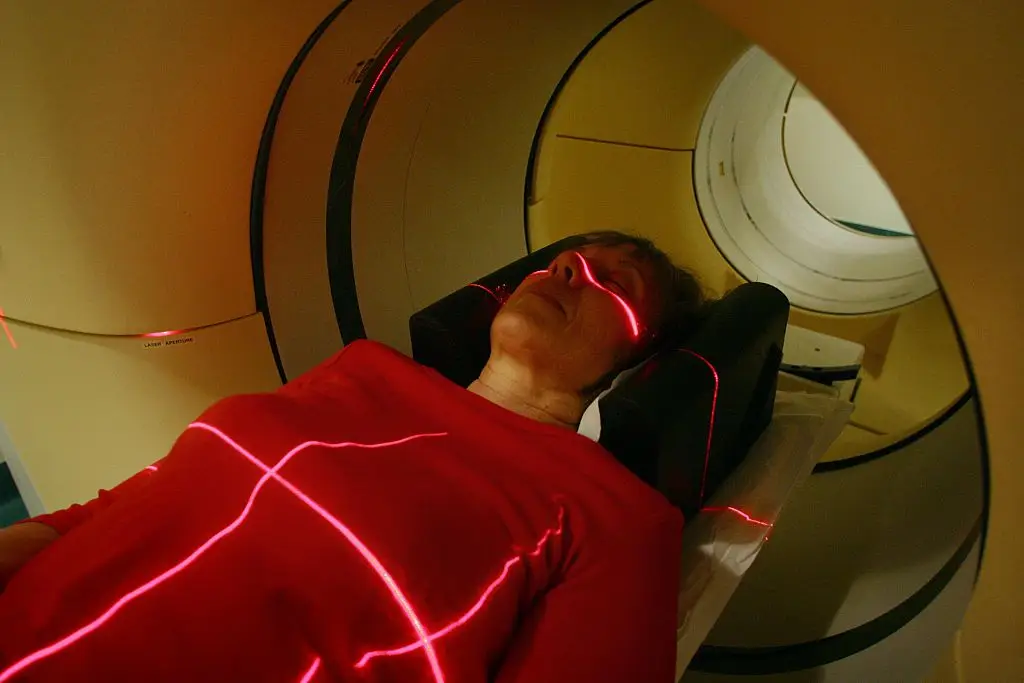
Managing your overall health may help reduce risk factors linked to Alzheimer’s.
Getting high blood pressure under control is important, as left uncontrolled it can damage the heart, blood vessels, and brain and increase the risk of stroke and vascular dementia. Managing blood sugar levels is also important, as high glucose levels can lead to diabetes and increase the risk of heart disease, stroke, cognitive impairment, and again, dementia. Maintaining a healthy weight can also help reduce the risk of related health conditions.
Taking care of your health also includes attending recommended health screenings, managing chronic conditions such as high cholesterol or depression, and checking in regularly with your healthcare provider.
Treating hearing problems is also important, as hearing loss may affect cognition and make social interaction more difficult.
Protecting your hearing from loud noise and using hearing aids when needed may help.
Sleep
Getting a decent amount of good-quality sleep is important for both physical and mental health.
Most adults should aim for seven to eight hours of sleep each night.
If you have ongoing sleep problems or think you may have a sleep disorder, speak to a healthcare professional.
Alcohol and tobacco use

Drinking too much alcohol and smoking tobacco can be bad for us anyway - but they can both increase our risk of dementia.
Alcohol can increase the risk of falls and worsen health conditions such as diabetes, high blood pressure, stroke, memory loss and mood disorders.
Health authorities recommend limiting alcohol intake; no more than two drinks a day for men and one for women.
Stopping smoking at any age can also improve health and reduce the risk of heart attack, stroke and lung disease.
Protect your head
Preventing head injuries may help reduce the risk of dementia.
Steps such as fall-proofing your home, wearing supportive non-slip footwear, using seatbelts and wearing helmets during activities like cycling can help protect against concussions and other brain injuries.
Topics: Mental Health, Health, Dementia, Fitness, Sleep, Food and Drink, Science
 Ellie Kemp