
First symptoms 19-year-old experienced before being diagnosed with Alzheimer’s

A teen became the youngest person to be diagnosed with Alzheimer’s disease.
When you think of Alzheimer’s, you probably imagine an elderly person, aged in their 60s or older.
But while the health condition more generally affects people over 65, people of a much younger age can also suffer from it, with any patient under 65 called 'early-onset'.
This earlier appearance can begin to manifest for people in their 50s and even in their 40s, with younger diagnoses sometimes more difficult as medics may not be on the lookout for it as much as with an older patient who is in a more at-risk group.
Advert
But one person was diagnosed with the condition at an extremely young age, being just 19 years old at the time.

The case was featured in the Journal for Alzheimer’s Disease in 2022, and described how a boy living in Beijing had started to experience memory loss and difficulty concentrating when he was 17 years old.
His symptoms included not being able to remember recent things, such as where he had put his belongings, or things which had happened the previous day.
He also had delayed reactions and difficulties with reading, and was rated as having 'severe memory impairment' on the World Health Organization-University of California Los Angeles Auditory Verbal Learning Test.
READ MORE:
MOM, 47, DIAGNOSED WITH EARLY-ONSET ALZHEIMER'S DISEASE REVEALS FIRST SYMPTOMS
SIGNS OF THREE STAGES OF ALZHEIMER'S DISEASE EXPLAINED
Doctors carried out extensive testing in order to establish what was causing these symptoms, and the 19-year-old patient was diagnosed with probable Alzheimer’s disease.
Early-onset cases are already a relatively rare occurrence, making up just five to 10 percent of diagnoses, according to the Blue Cross Blue Shield (BCBS) Health Index.
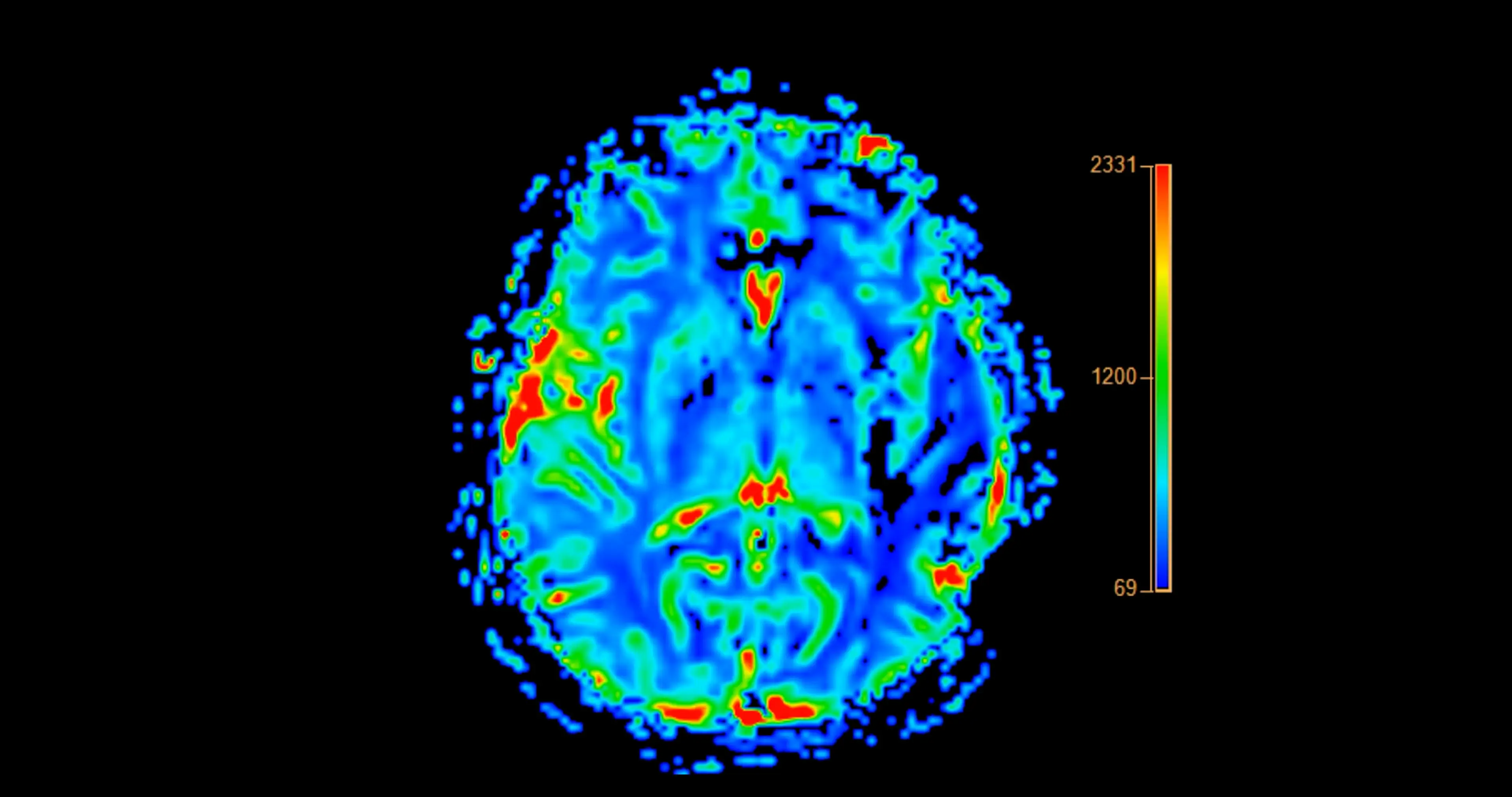
Alarmingly, this same report also said that there was an increase of 200 percent in diagnoses of Alzheimer’s disease in people aged between 30 and 64 between 2013 and 2017.
However, at present no cause has been identified for this.
George Perry is a professor at the University of Texas at San Antonio and the editor in chief of the Journal for Alzheimer’s Disease, though he was not involved in the study directly.
As per Psychiatrist.com, he said: “This case brings attention to the heterogeneous nature of dementia that can involve people at any age.
“Significantly, this finding may separate Alzheimer’s disease from the complexity of aging and open the field to new concepts to promote innovation.”
But there is one factor which makes this young case interesting - most people diagnosed with Alzheimer’s disease early on have a particular gene mutation, but this person didn't.
The study authors wrote: “This is the youngest case ever reported to meet the diagnostic criteria for probable [Alzheimer’s disease] without recognised genetic mutations.”
 Kit Roberts