I wrongly spent 13 years in prison for murder, it taught me a vital lesson about life behind bars

Warning: This article contains discussion of self-harm and suicide which some readers may find distressing.
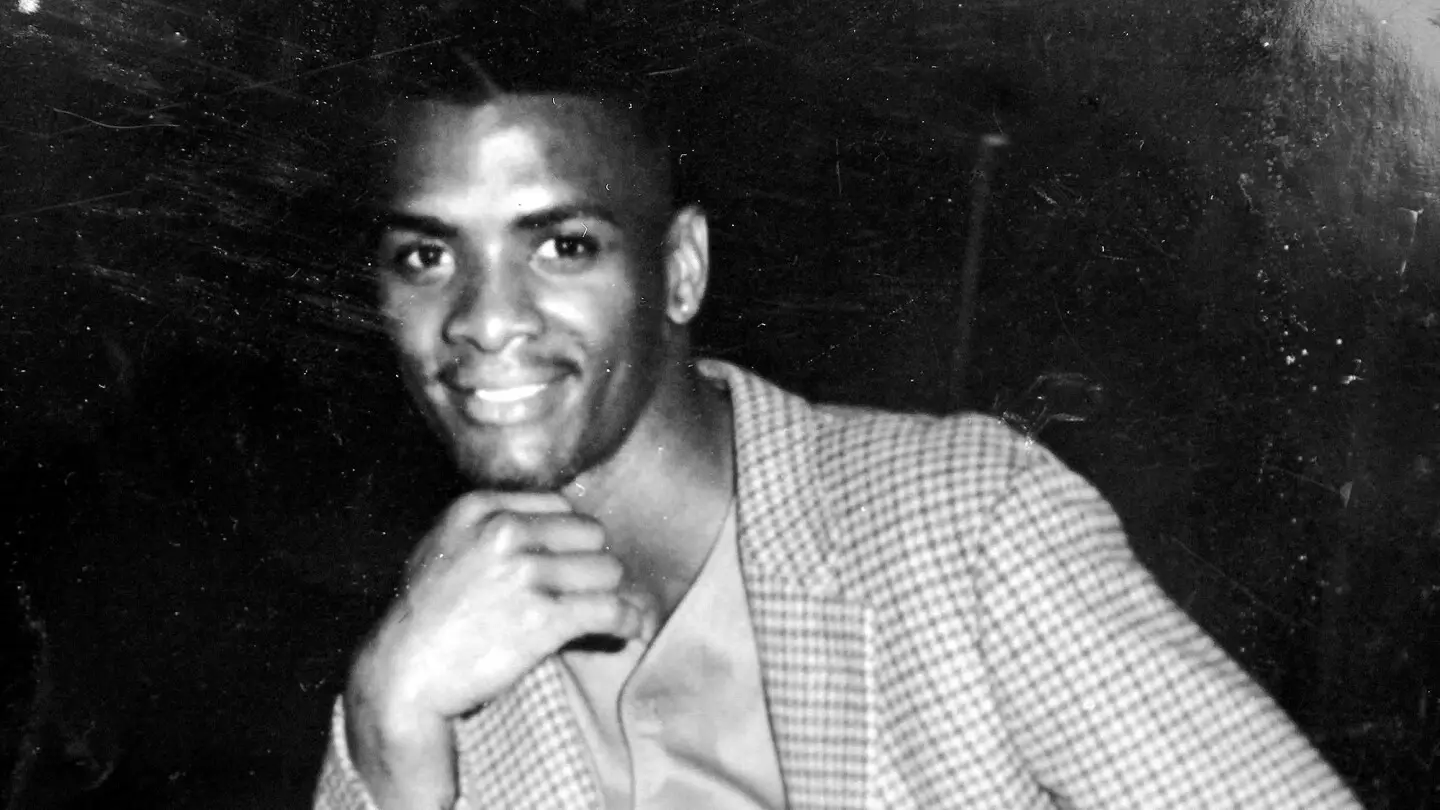
Christopher Scott was 27 when his life changed forever after he was convicted of a murder he did not commit.
On the night of April 6, 1997, a man named Alfonzo was shot and killed during a home invasion at a relative's duplex in Dallas.
His wife, Celia, was attacked by a second man.
Advert
The next day, police brought Aguilar's wife in to view photographs. She walked past a man named Claude Simmons, who was in custody on an unrelated drug charge, and said she recognized him.
She then picked out Christopher Scott's photo as the second alleged attacker.
Scott and Simmons were tried separately in October 1997. The prosecution's case rested almost entirely on Celia's identification, and the trial judge refused to let the defense introduce evidence pointing to two other men, one of whom had reportedly confessed to the crime to a girlfriend.
Scott would spend 13 years in a Texas prison before he was exonerated in 2009.
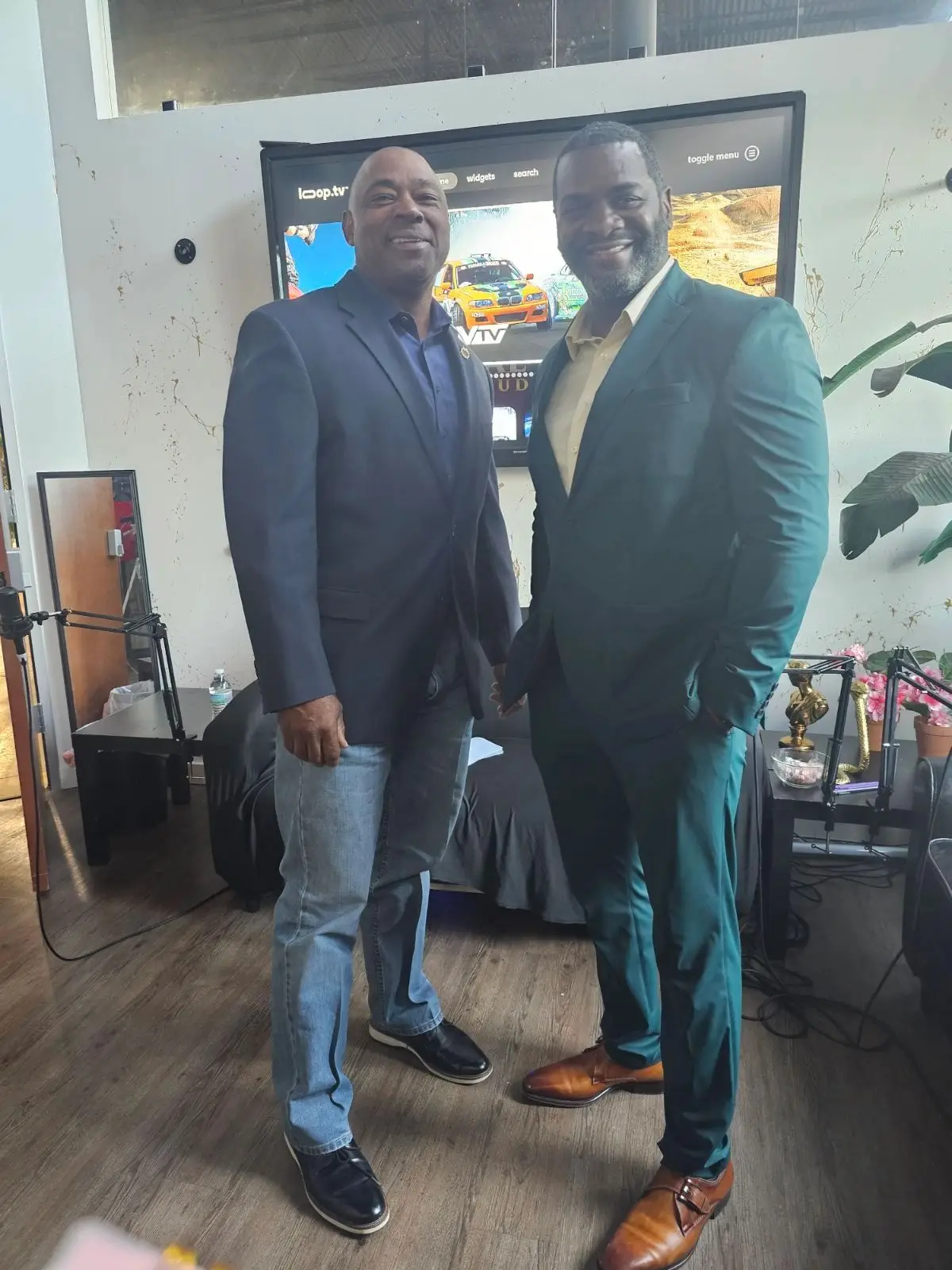
Now, he's opening up about what that time behind bars actually looked like — and how he made it out the other side.
Speaking to UNILAD, Scott said his first instinct inside was simply to survive.
During his time behind bars, he says surviving meant learning quickly who he could trust, how to avoid becoming a target and how to create some kind of structure inside an environment where violence could erupt without warning.
“It's like survival has to kick in... I gotta watch everything and everybody in jail because I don't know these people and they don't know me,” he said.
Scott explained that the transition became particularly frightening when he was moved from a comparatively comfortable section of jail into a wing containing more serious and repeat offenders.
He had grown up fighting as a child, but that did not make entering prison easy.
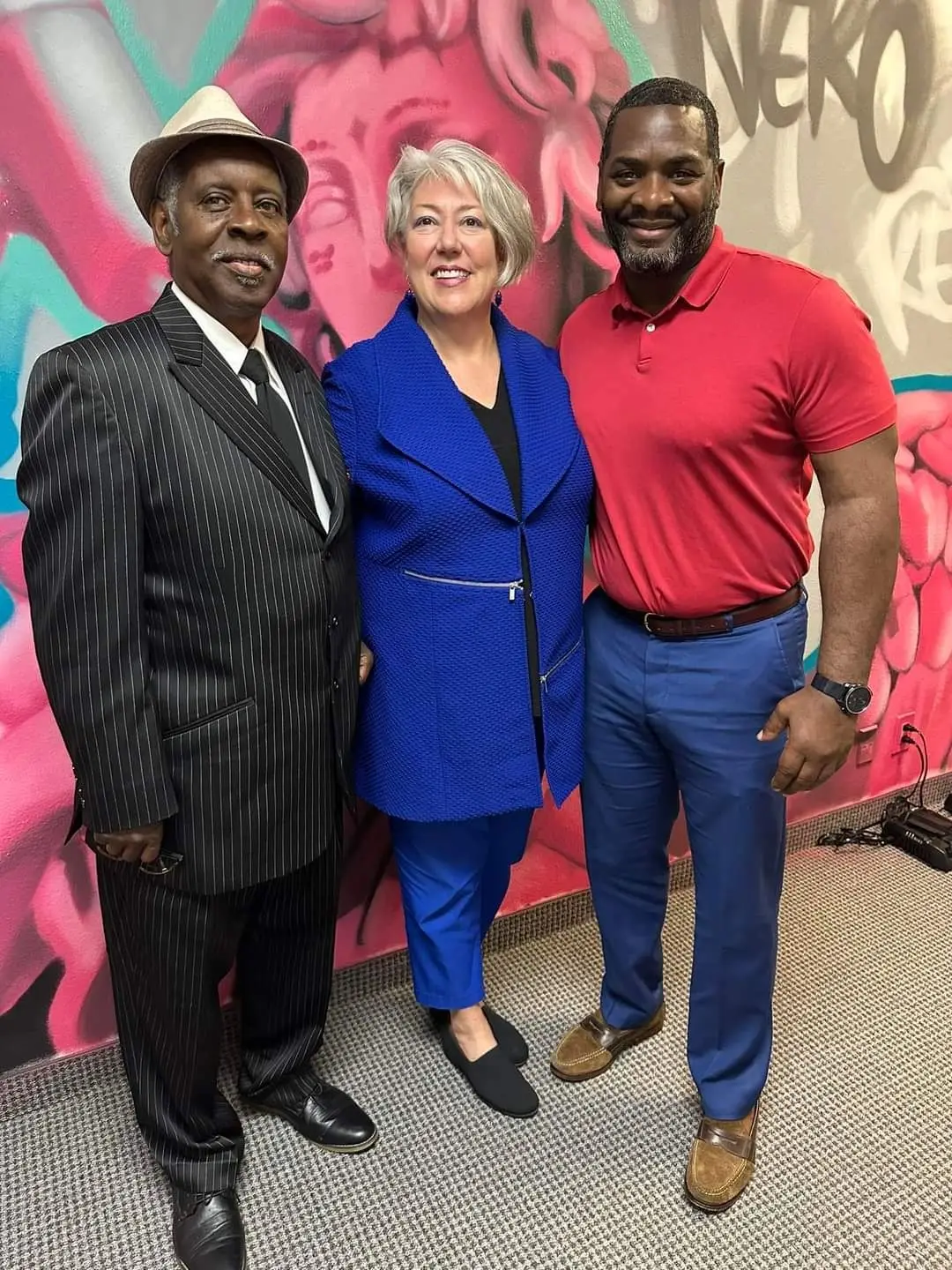
“Somebody come my way, I just gotta do what I gotta do. I know how to fight. I can't show no fear,” Scott said.
He says prisoners learned to remain alert even while sleeping, adding: “You gotta sleep light, trust no one, don't turn your back on anyone, and live with your back against the wall.”
Violence, Scott says, was part of everyday prison life.
“You saw people get stabbed, people get killed, people get thrown over the balcony... you see some horrible things in prison,” he said.
Scott also described seeing people take their own lives or hurt themselves because they could no longer cope.
The racial and gang divisions inside prison added another layer of danger. Scott said prisoners were expected to stand with their own group during conflicts, with refusing potentially carrying consequences beyond the immediate confrontation.
“Then you're an outsider,” he said.
He also recalled the brutal Texas heat while working in the fields, describing conditions that could become almost unbearable.
Following some hard graft in the fields, prisoners would use water to fill up their cells, then lie down in the puddle while it rapidly evaporated around them.

How did Christopher Scott survive 13 years in prison?
For Scott, the answer eventually became routine. He spent around two and a half years working in the fields before building a relationship with the officer supervising his crew and moving into kitchen work.
Away from work, he exercised and read heavily, sometimes getting through three books a week, while soap operas became another fixed part of his day.
“That foundation I built inside of prison let me get out of prison because it kept me out of trouble,” he said.
Scott believes physical confrontation is also something many prisoners will eventually encounter no matter how careful they are.
“I don't care who you is in prison. You're gonna have a fight sooner or later,” he added.
He says he fought a handful of times and tried to make sure that afterwards other inmates understood he was not an easy target.
But prison was not solely about violence. Scott said it contained many of the same social pressures found outside: relationships, status, cliques, jealousy and drugs.
The psychological strain was arguably harder to escape.
After being sentenced to at least 40 years before becoming eligible for parole, Scott remembers struggling to process what had happened.
“I'm 27. I would be 67 when I come up for parole.” At one point, he feared he might never leave prison alive.
Fortunately for him and others who were wrongfully convicted, he did.
Scott's case was eventually taken up by the Dallas County District Attorney's Conviction Integrity Unit, set up by Craig Watkins, the first Black district attorney in Texas history, shortly after he took office in 2007.
The unit was the first of its kind in the country, created specifically to review and correct wrongful convictions, and went on to help free around two dozen people who had been wrongly imprisoned in Dallas County.
Following further investigation, Scott was released in 2009 and formally declared innocent. He described that moment as the best day of his life.
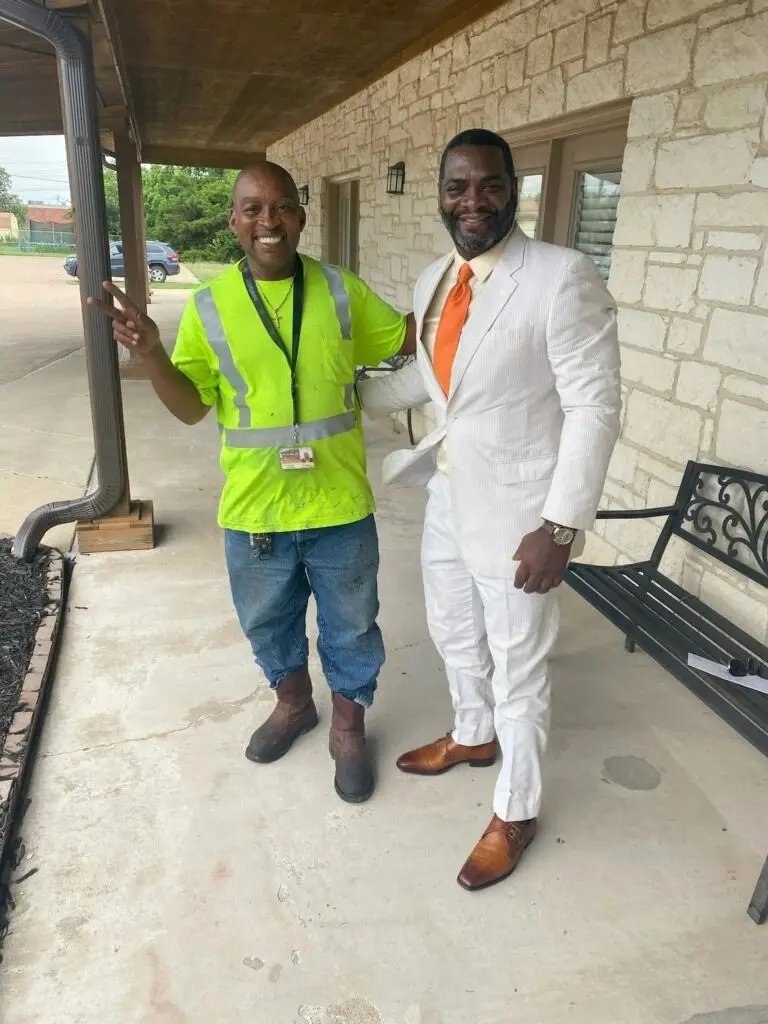
The House of Renewed Hope
He later helped establish the House of Renewed Hope to investigate other potential wrongful convictions.
Since leaving prison, Scott has dedicated much of his time to helping others who claim they have been wrongfully convicted.
Through The House of Renewed Hope, he works alongside lawyers, students and volunteers to review cases and investigate potential miscarriages of justice.
Reflecting on his years in prison, Scott said the lessons he learned about discipline and perseverance continue to shape his life today.
“There are things you can’t get back,” he said, referring to the years spent away from his family.
“That’s why helping other people now matters so much.”
A major documentary has been made about Christopher Scott's wrongful conviction titled True Conviction (2017).
The film follows Christopher Scott alongside two other Texas exonerees, Steven Phillips and Johnnie Lindsey. Together, they served a combined 60 years in prison for crimes they did not commit.
After their release, they formed an unlikeliest detective agency in Dallas, Texas, called The House of Renewed Hope.
The documentary tracks them as they use their first-hand experience to investigate other cases of alleged wrongful conviction and fight to free innocent people.
Topics: True crime, Texas, US News
 Thomas Bamford