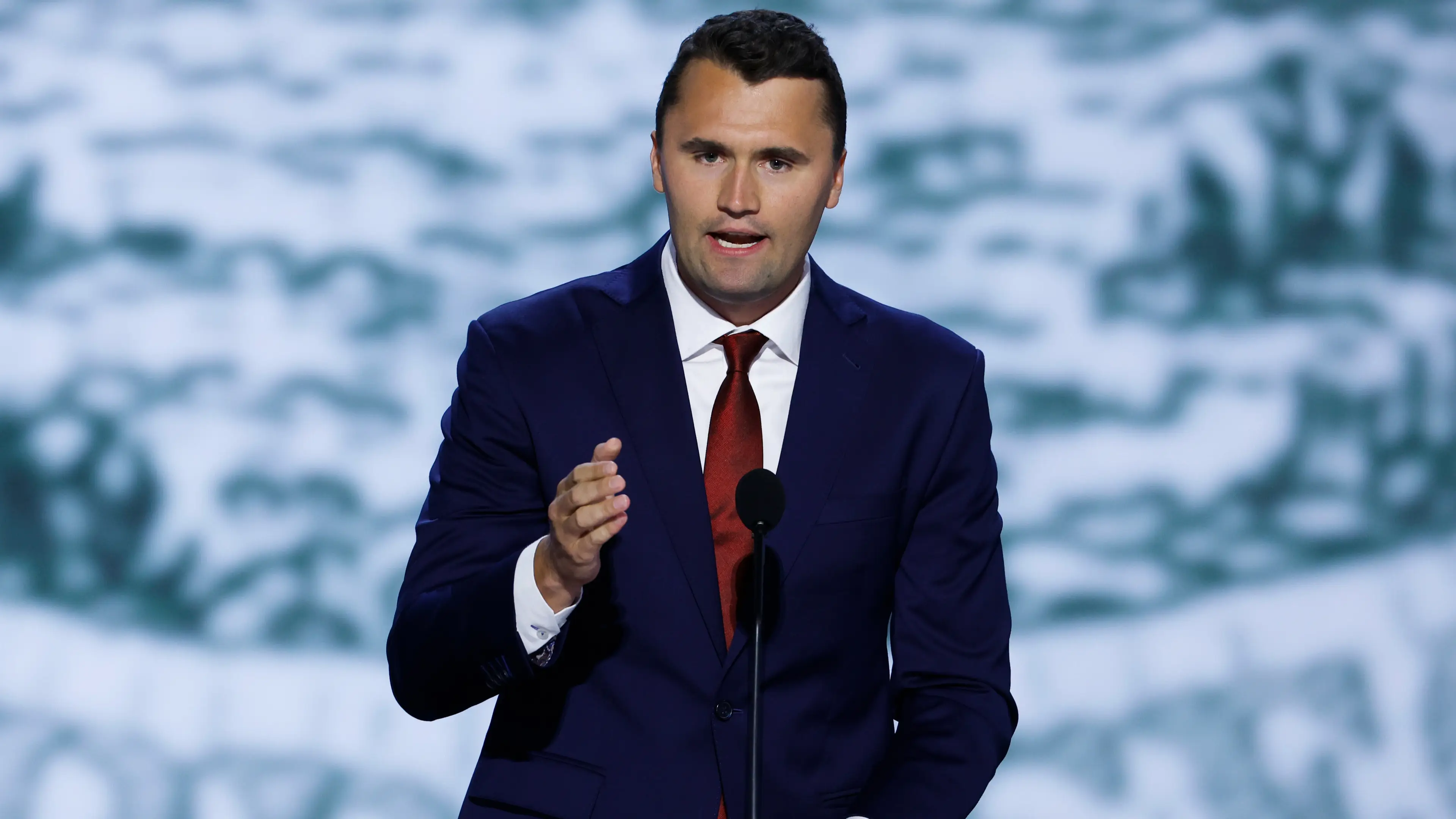
Lawyers of Charlie Kirk’s murder suspect Tyler Robinson make new claim about bullet

Tyler Robinson's lawyers have said that bullet analysis suggests that the one found during Charlie Kirk's autopsy following his assassination might not be connected to the rifle discovered by police.
Kirk was fatally shot on September 10, 2025, and 22-year-old Robinson went on to be charged with his death.
Robinson turned himself in to police after a nationwide manhunt for Kirk's killer.
A preliminary hearing is set to take place in May, but Robinson's lawyers have asked for this date to be pushed back as they say that they have a huge amount of documents to review beforehand.
Advert
According to Fox News, his team have received more than 600,000 files from prosecutors to review on March 12. One analyst said that they might need as long as six months to look over the documents.
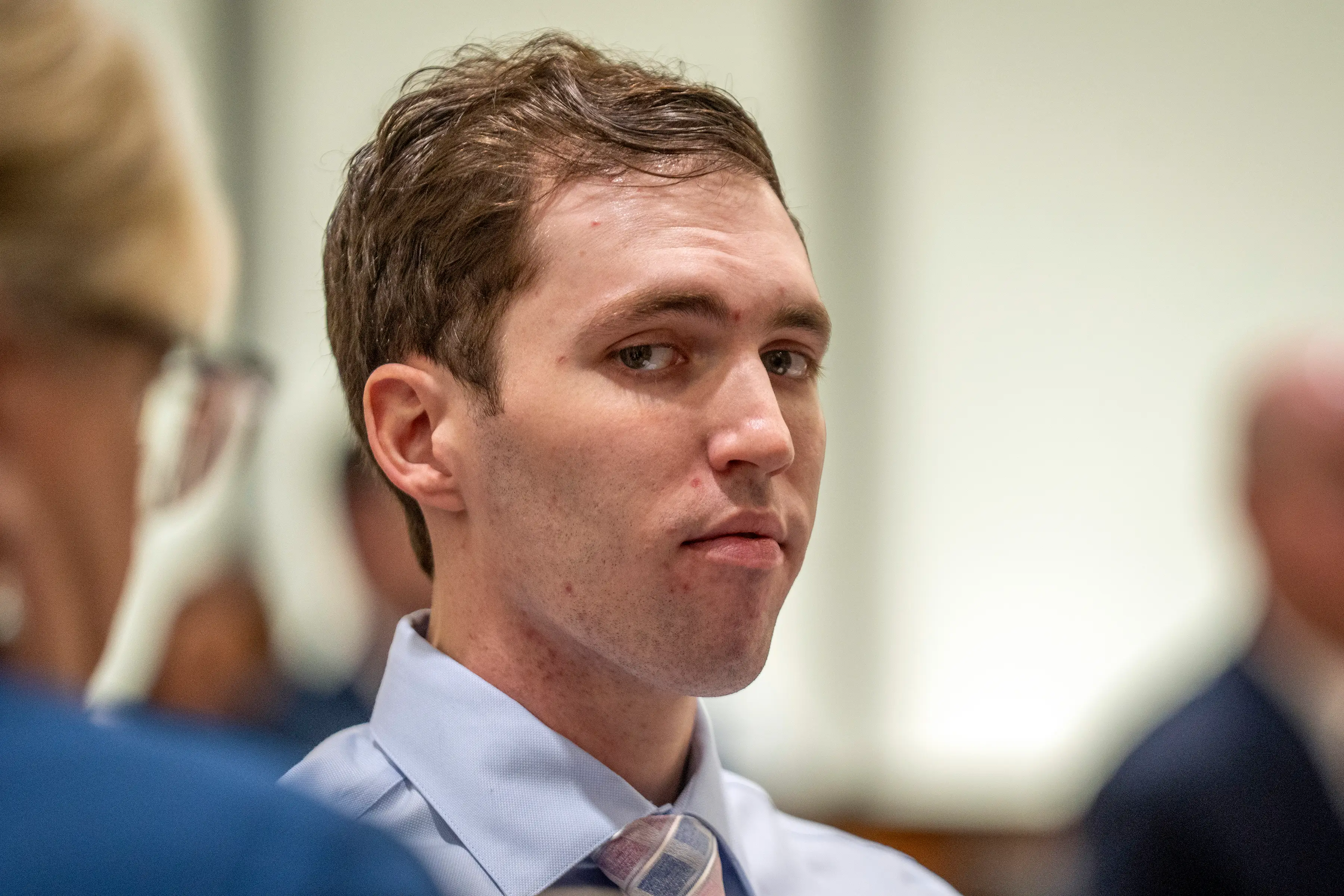
One key part of the papers that Robinson's lawyers wish to review are apparent findings by the Bureau of Alcohol, Tobacco, Firearms and Explosives that could 'not conclusively connect a bullet fragment recovered during an autopsy to the rifle found near the scene', POLITICO reports.
The FBI is said to be running additional tests.
The rifle in question, a Mauser model 98, reportedly had Robinson's DNA on it. The weapon belonged to the 22-year-old's grandfather.
The bullet will play a key part in identifying Kirk's killer. Per POLITICO, experts will look for 'microscopic markings that are left on a bullet as it passes through the gun’s barrel'.
The markings are unique to each gun's barrel.
Robinson is yet to enter a plea and his defense said that it may try to use the analysis to clear his name if it's found that the bullet from Kirk's autopsy does not match the rifle linked to him.
Meanwhile, the prosecution are hoping to gather enough evidence to have Robinson stand trial. They are seeking the death sentence for the young man.
Robinson's legal team's latest request comes after they tried to have a prosecutor removed from the case, arguing that that there was a conflict of interest because their daughter was at the event at Utah Valley University when Kirk was killed.
Judge Tony Graf denied the motion last month.
"Because defendant has not established a factual basis for a finding of conflict of interest or an objective appearance of impropriety, rising to a constitutional concern, his motion is respectfully denied," he said in his response.
"In sum, the defendant has not shown that there is a significant risk that Mr. Gray's loyalty to his daughter has or will materially limit representation of the state. Nor has defendant demonstrated that his due process rights are compromised by the continued prosecution of this case by the Utah County Attorney's Office."
Timeline of events following Charlie Kirk’s assassination
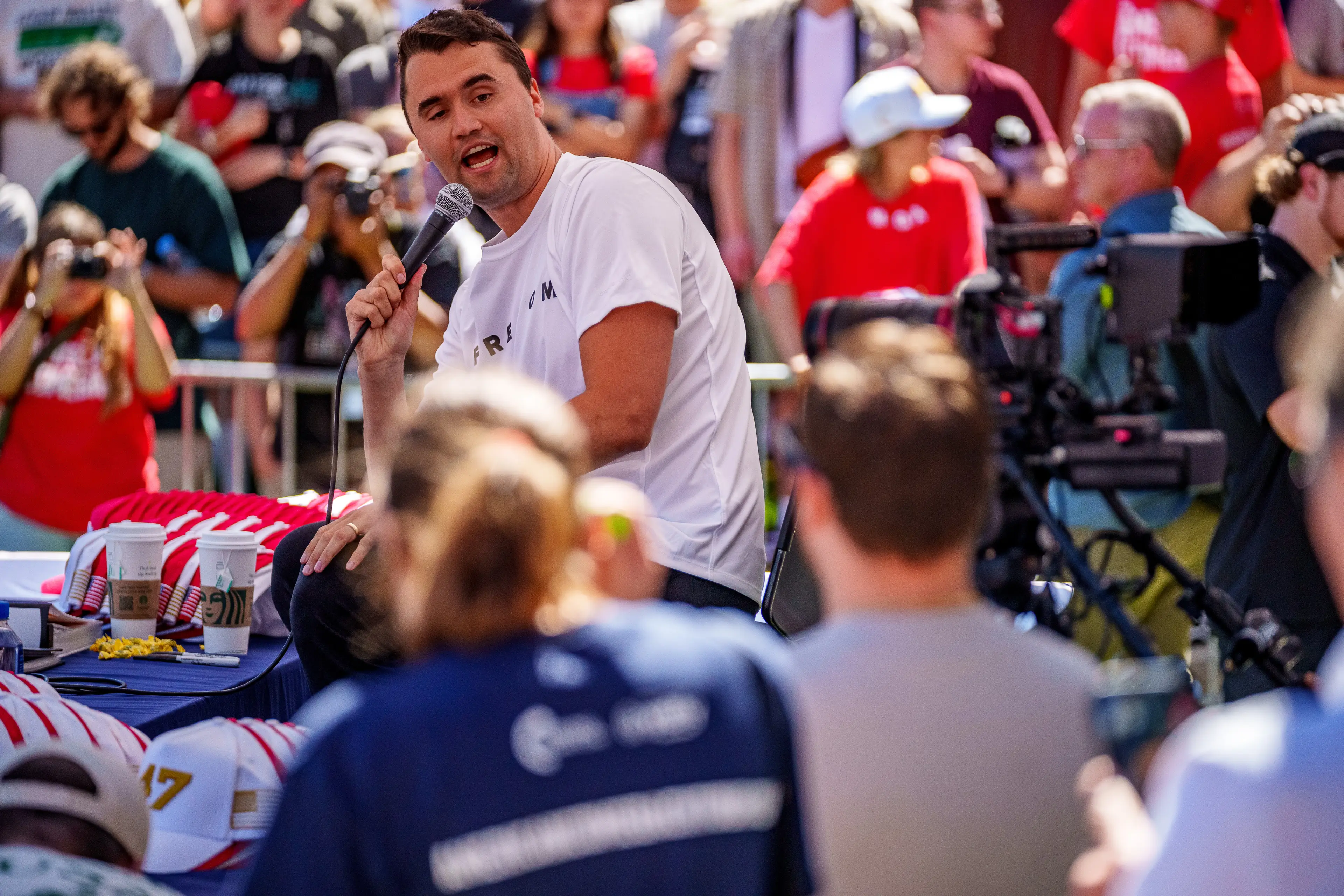
September 10 - Day of the attack
Kirk was at Utah Valley University (UVU) for a scheduled event when, at 12:23pm, he was shot in the neck by a single bullet. Footage at the event shows the podcaster slumped over before being carried in a car as the crowd erupts into panic.
According to footage released by authorities, the suspected shooter is seen jumping from the roof and fleeing. A Utah Department of Public Safety spokesperson later said that the person, who was reported to be wearing black tactical gear and a helmet, had fled into a nearby neighborhood after leaving the building.
President Donald Trump later confirmed Kirk’s passing on Truth Social, writing: “The Great, and even Legendary, Charlie Kirk, is dead. No one understood or had the Heart of the Youth in the United States of America better than Charlie. He was loved and admired by ALL, especially me, and now, he is no longer with us.”
September 11 - Gun and engraved bullet casings discovered
At a press conference, authorities said they had discovered a bolt-action rifle wrapped in a towel, as well as some bullet casings with phrases like ‘Hey fascist, catch!’ and ‘notices, bulges, OWO, what's this?’
September 12 - Robinson’s arrest announced
While appearing on Fox and Friends, Trump said a suspect was in custody: “Essentially, someone that was very close to him turned him in.”
Later on, authorities announced Robinson’s arrest, who, according to investigators, had confessed to his father, leading to him calling a family friend, who then called the US Marshals, who detained the 22-year-old.
Kirk’s widow, Erika, gave her first statement after her husband’s passing, saying that his movement ‘is not going anywhere’.
She added: “You have no idea the fire you've ignited within this wife. The cries of this widow will echo around the world like a battle cry.”
September 16 - Charges against Robinson announced
Prosecutors revealed the charges against Robinson included aggravated murder, commission of a violent offence in the presence of a child, two counts of witness tampering, two counts of obstruction of justice and felony discharge of a firearm.
Utah County Attorney Jeff Gray said prosecutors would seek the death penalty if he is convicted, adding: “I do not take this decision lightly.”
September 21 - Erika Kirk says she ‘forgives’ his killer
At Kirk’s memorial service on September 21, the 37-year-old took to the stage to pay tribute to her husband and revealed why she’d ‘forgiven’ his killer.
“My husband, he wanted to save young men, just like the one who took his life. That young man, that young man,” she said.
“On the cross, our savior said: ‘Father, forgive them for they not know what they do.’
“That man, that young man, I forgive him. I forgive him because it was what Christ did, and it is what Charlie would do.
“The answer to hate is not hate. The answer we know from the gospel is love and always love, love for our enemies and love for those who persecute us.”
December 11 - Robinson’s first in-court appearance
According to the BBC, Robinson arrived in court for a hearing wearing a shirt and tie with restraints on his wrists and ankles. In October, it had previously been ruled that he was permitted to wear civilian clothes.
The hearing was primarily focused on how much of the case should be public, with several news organizations pushing for transparency, including the release of a transcript and recording from October.
Erika had previously argued for transparency in the case, telling Fox News: “We deserve to have cameras in there.”
While the judge delayed ruling on the matter to ‘do it right’, he did decide to prohibit attorneys on both sides from making extrajudicial statements.
Topics: Charlie Kirk, Tyler Robinson, Crime, US News
 Niamh Shackleton