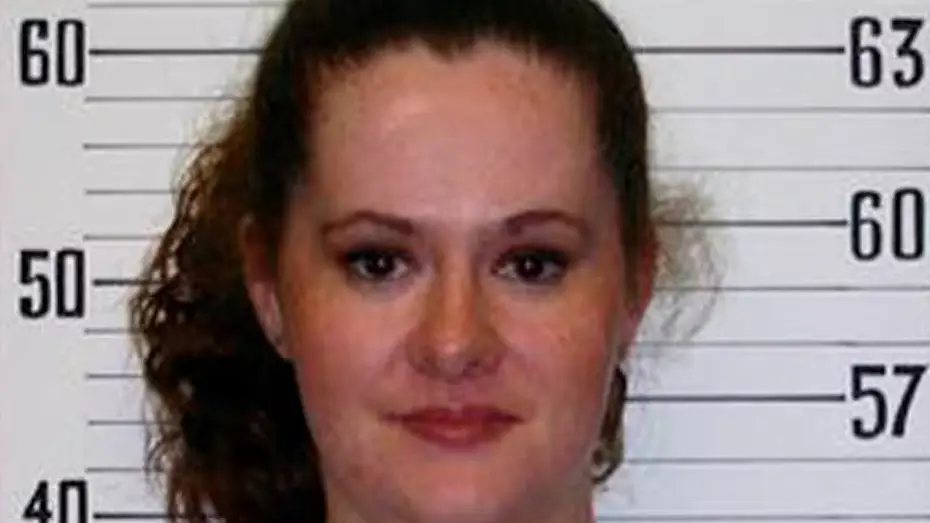
Lawyer reveals the only other person in history to survive an execution attempt before Christa Pike

Christa Pike has survived an execution attempt that a law professor says has only one known historical comparison, raising renewed questions about what happens when a method intended to end a person's life fails.
According to WVLT, Austin Sarat, a professor of law and politics at Amherst College in Massachusetts, believes Pike is one of just two people known to have survived an execution after the process was fully activated.
The other person was Willie Francis, a Louisiana teenager who survived an electrocution in 1946 before being put to death the following year.
Pike remains on Tennessee's death row, while her legal team continues efforts to have her sentence commuted.
Advert

How did Christa Pike survive her execution attempt?
Sarat has spent years researching executions, including cases dating back to the 1890s.
He said most failed lethal injections occur before the procedure is completed, often because medical staff cannot locate a vein or establish an intravenous line.
Pike's case is different, according to the professor, because she reportedly survived after receiving two doses of the drugs intended to kill her.
"She's the only one to have survived after receiving a dose of the drugs that were supposed to kill her, and in her case, two doses," Sarat said.
He added that the case had surprised him, although his previous research into botched executions had prepared him for the possibility that a procedure could go wrong.
Sarat's findings place Pike in an exceptionally small group of people who have survived an execution that progressed beyond the initial stages.
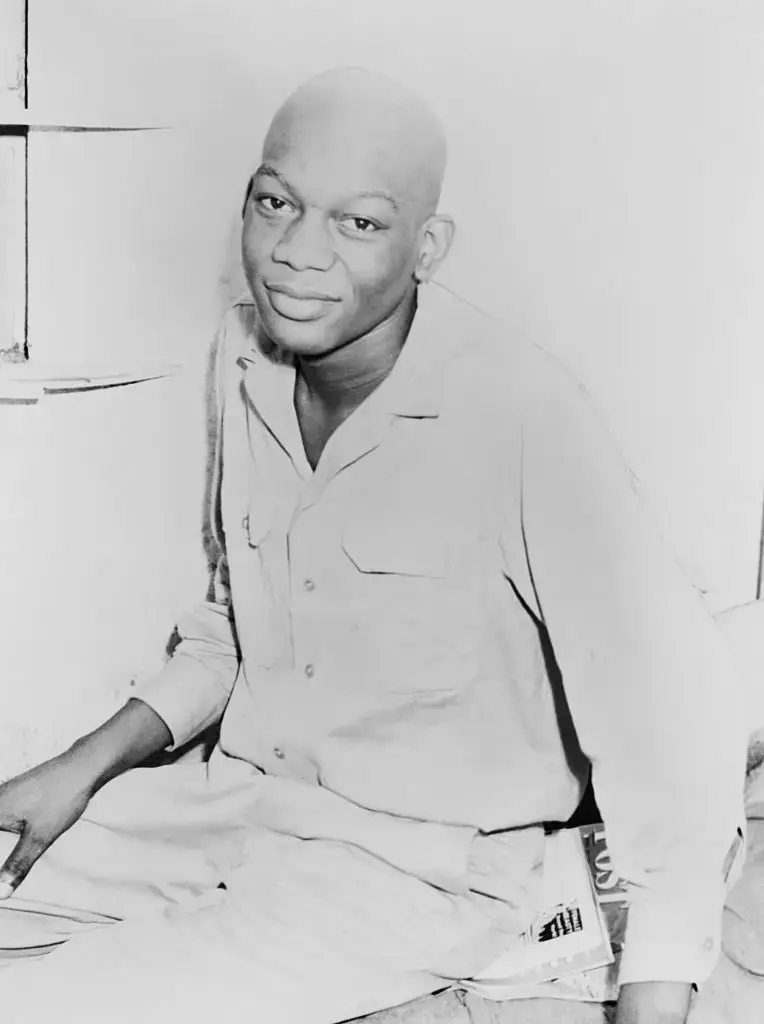
He said: "Only Willie Francis and Christa Pike have gotten to the point where the execution mechanism was fully engaged and ended up surviving their execution."
The distinction is significant because an execution can fail for several reasons, and many reported incidents do not involve the complete activation of the method intended to cause death.
What happened to Willie Francis after he survived the electric chair?
Francis was scheduled to be executed in Louisiana in 1946 after being convicted of murder. However, the electric chair failed to kill him, with court records indicating that insufficient electricity had been supplied.
He survived and was returned to his cell.
Francis subsequently obtained legal representation and appealed to the US Supreme Court in an effort to prevent the state from executing him again.
The court ruled that Louisiana could proceed with a second execution. Its opinion assumed the state had conducted the first attempt carefully and humanely, while acknowledging that accidents could occur without anyone being responsible. Francis was executed in 1947.
His case remains a historical comparison for Sarat as he investigates what it means to survive an execution and then face the possibility of being subjected to the process again.
"I want to understand what it is like to survive your own execution and face the prospect of returning to the execution chamber," he said.
Sarat also stressed that no execution method could guarantee the intended outcome.
Pike's lawyers are seeking to have her death sentence commuted to life imprisonment, with or without the possibility of parole.
Topics: Christa Pike, Death Row, Crime
 Thomas Bamford