
Hospice nurse shares three things you see in the last 24 hours before someone dies

A hospice nurse who has seen hundreds of people die has spoken out about the three things you most commonly see in someone experiencing their last 24 hours of life.
Julie McFadden goes by 'Hospice Nurse Julie' on social media, where she boasts over 685,000 subscribers on YouTube, 528,000 on Instagram, and an impressive 1.7 million on TikTok.
On her channels, Julie has revealed all she knows and all she's experienced when it comes to people coming to the end of their lives.
One thing that Julie has spoken about previously is the things that can cut a person's life short, therefore she never does it. The biggest one for her was drinking alcohol.
Advert
"Our liver is a beautiful organ that does a lot of stuff for us and when it's not working, it's bad," she warned.

"I've seen enough people die alcoholic deaths, meaning from liver cirrhosis, because of drinking, to know that it is not good. And it is preventable."
Another thing Julie listed was vaping. She said of the habit: "Vaping is just as bad [as smoking]. It affects more than just the lungs. It affects your whole cardiovascular system."
Elsewhere, Julie has broken down the three things you might expect to 'see' in a patient in the 24 hours before passing on.
The death rattle
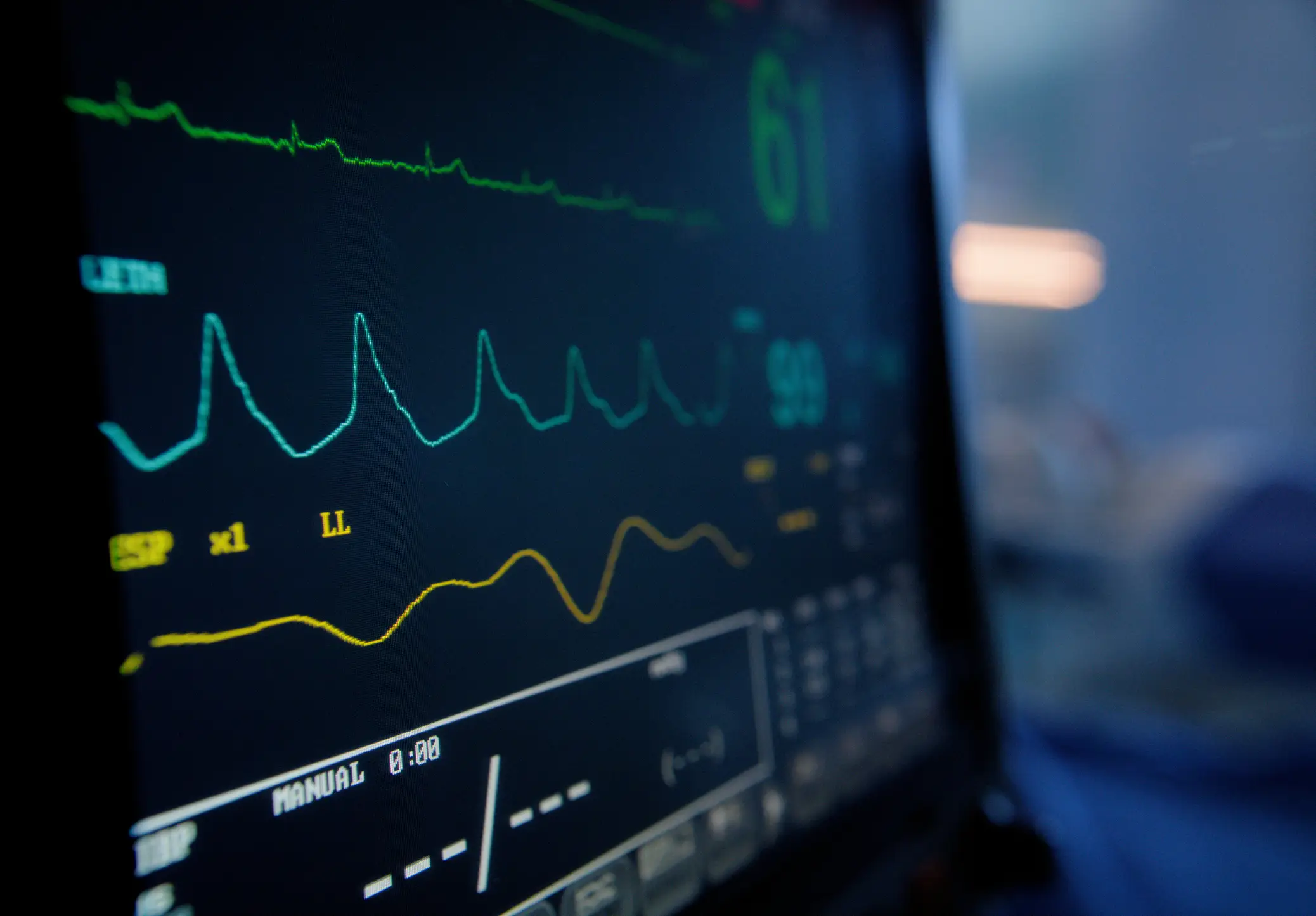
Terrifying as it might sound, patients nearing the end of life often make gurgling noises that has been dubbed a 'death rattle', but science suggests it's just a part of the dying process.
According to VeryWell Health, the sound comes from a dying person as they can no longer independently swallow or cough, resulting in phlegm and saliva building up in the back of the throat and airways.
The unusual noise patients make is the sound of the fluid build-up as air passes through it.
"You will most likely hear this in the last 24 hours before they die," Julie said in a YouTube video.
Changes to breathing
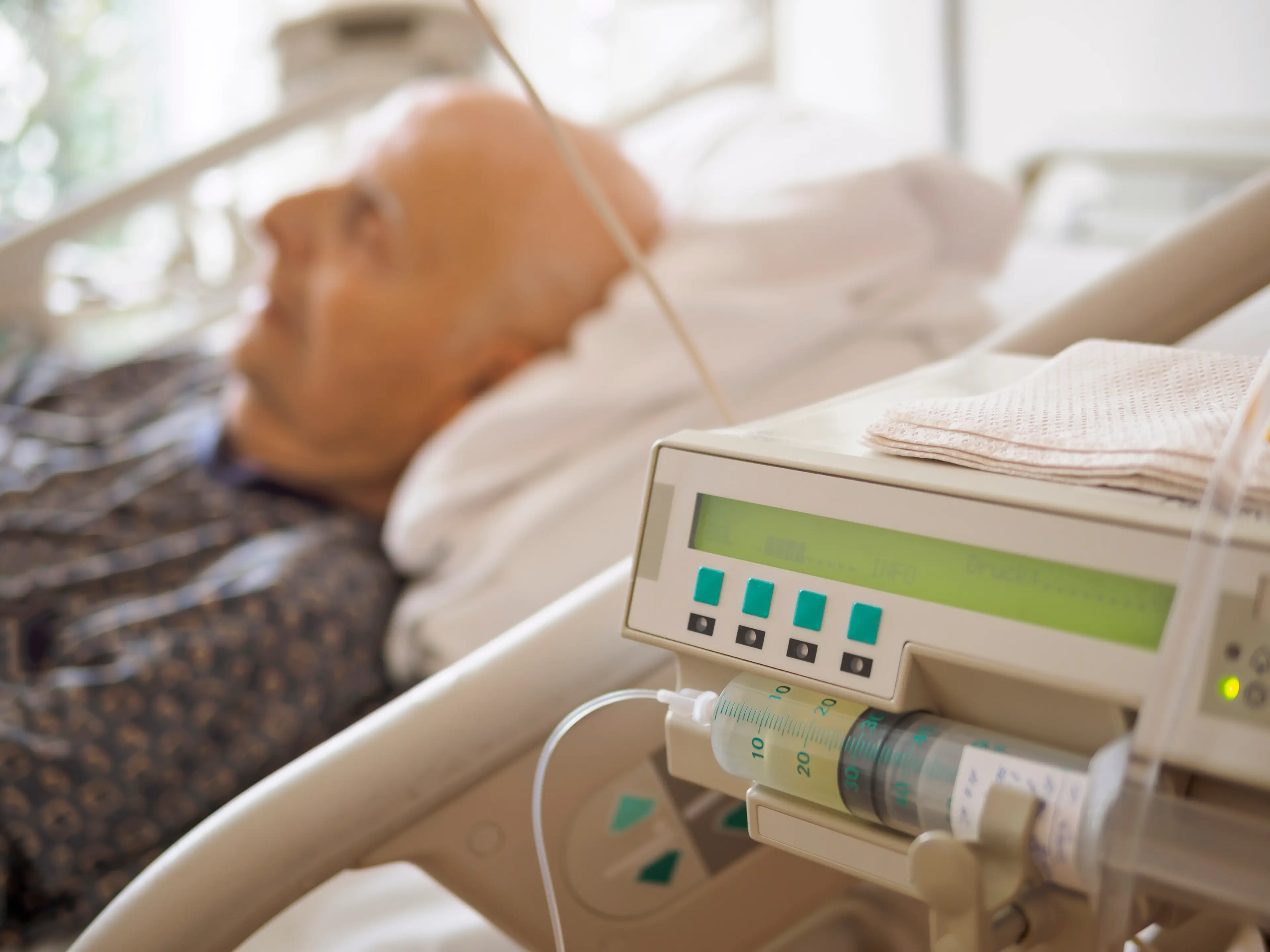
Another prevailing sign that death is imminent is changes in breathing, notably breaths becoming slower or more spread out.
It can look like the patient is taking a long pause before catching their next breath, or, as Julie notes, 'you might think that they are dead'.
Then comes 'agonal breathing', which can look like desperate gasps for air.
Although it can be disconcerting for families and loved ones to witness this, the nurse reassures us that it's all a part of the scientific process and the patient is not suffering any pain.
WebMD adds it's not 'true breathing' but simply a 'natural reflex that happens when your brain is not getting the oxygen it needs to survive'.
Although the brain is alive, agonal breathing shows the patient is rapidly approaching death - and Julie says it's a key indicator that death will occur in the next 24 hours.
The death stare

Finally, and perhaps the most comforting stage to witness, is the unconscious stage.
Although the patient is 'alive', and might have their eyes and mouth open, Julie said: "They will not be waking up, no matter what you do."
She said it's not unusual for their eyes to be glazed over and not really looking at anything in particular since they're not fully present, though they can still hear and possibly feel your presence.
Julie dubbed this the 'death stare', stating it's like 'no one's really home'.
The nurse stressed though these three stages are common in patients who die within a period of 24 hours, it's not always the case as some might die suddenly, quicker or take longer.
If you have experienced a bereavement and would like to speak with someone in confidence, contact GrieveWell on (734) 975-0238, or email [email protected].
Topics: Health, Life, Social Media
 Niamh Shackleton