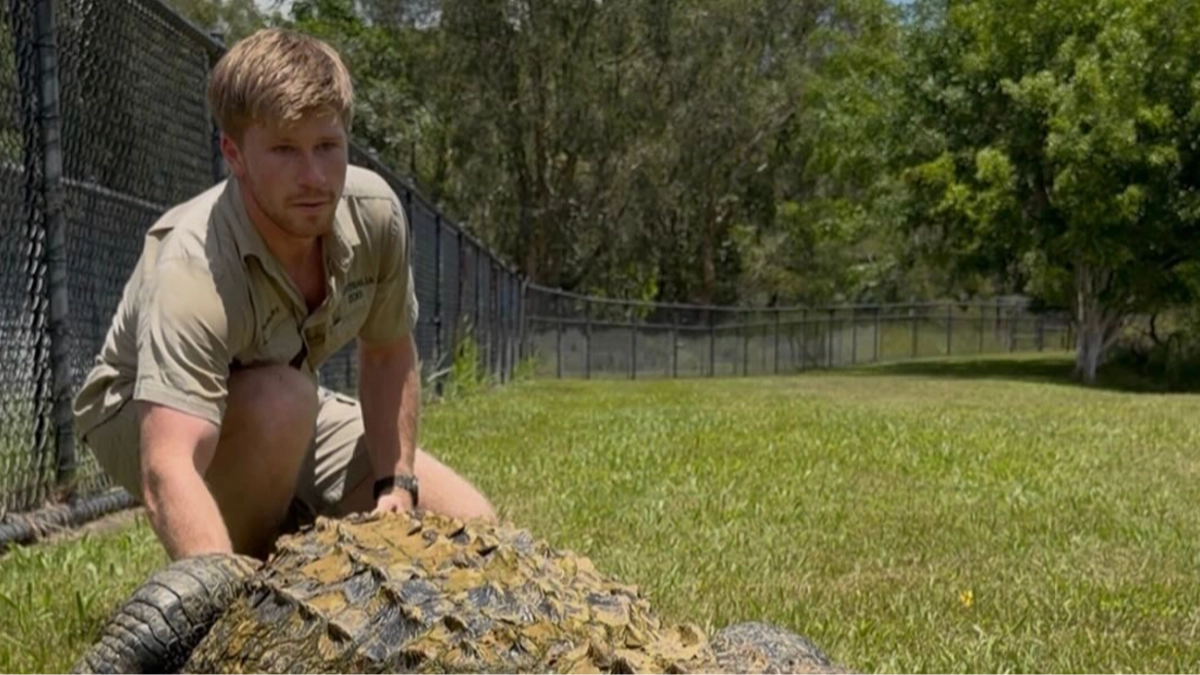
Robert Irwin explains how to spot the difference between an alligator and a crocodile

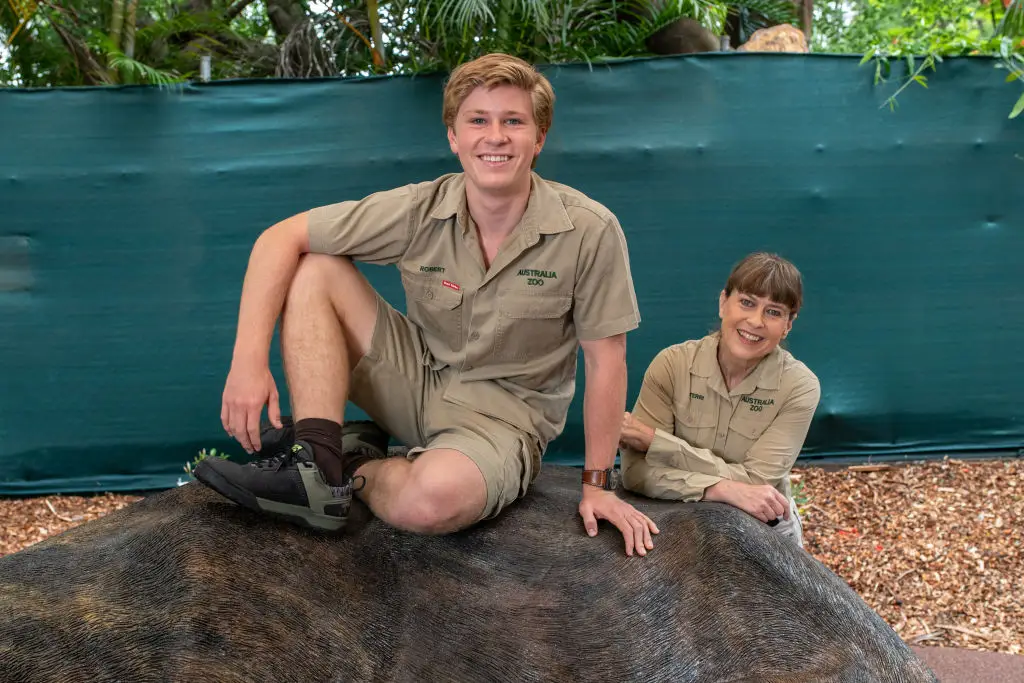
Son of Legendary conservationist Steve Irwin, Robert, has stepped into his father's big boots - taking over his role at the Australia Zoo.
While his mother and sister also help run the family's conservation efforts, Robert is actively involved in managing the 700-acre Australia Zoo in Queensland, and frequently participates in wildlife presentations and media appearances.
Robert, alongside his mother Terri and sister Bindi, runs the zoo and champions global wildlife conservation in honor of Steve Irwin.
He's doing his best to become as popular as his old-man, and he's doing a great job: his huge popularity stemming from his continuation of his father's wildlife legacy, combined with a massive mainstream television breakthrough.
Advert
His status as a global heartthrob and cultural icon skyrocketed following his US victory on Dancing with the Stars and his starring role as a koala in Zootopia 2
In an interview with LADbible, he explained what must be one of his most commonly asked questions, 'what's the difference between an alligator and a crocodile?'
What's the difference between a crocodile and an alligator?
At a glance, alligators and crocodiles look nearly identical.
Both are massive reptiles with armored skin, powerful jaws and a prehistoric lineage that stretches back more than 200 million years.
But Robert explains there's much more to it than that. He said that the main way to differentiate between the two is where they live.
He said: "Usually when people refer to an alligator, they refer to an American alligator.
"There's also a Chinese alligator, but the American alligator is found in the southern states of the United States of America, whereas a crocodile, saltwater crocodile, is an Australian species."
Secondly, he explained that the second way to tell between a croc and a gator is by their teeth.
How can you tell the difference between a crocodile and an alligator?
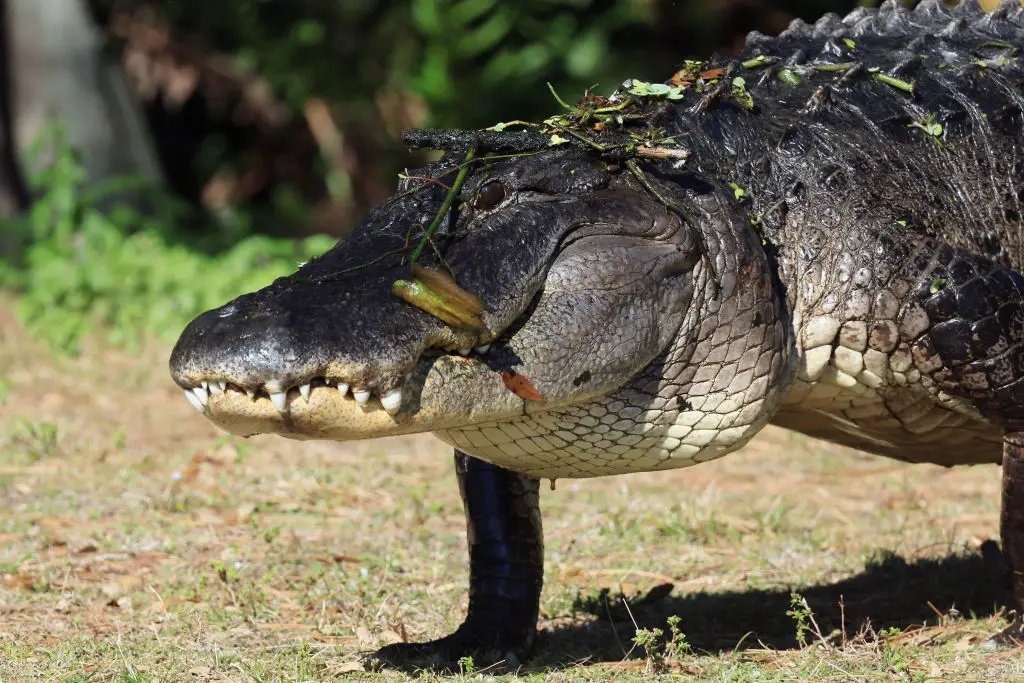
He continued: "When a crocodile closes its mouth, you can see top and bottom teeth interlocking, whereas when an alligator closes its mouth, you really only see the top teeth.
"The alligator has eyes that are on the top of its head, whereas a crocodile has a lot lower eyes."
There's also a difference in the shape of their heads and snouts.
"The snout on a crocodile is triangular and elongated; however, the snout on an alligator is more blunt and U-shaped," Robert added.
In general, crocodiles tend to grow larger and heavier than alligators. The largest crocodile species, the saltwater crocodile, can reach more than 20 feet in length and weigh over 2,000 pounds.
Alligators are usually smaller. The American alligator, the largest alligator species, typically grows to about 10–15 feet long and weighs 500–1,000 pounds.
Robert said that traditionally crocodiles had a much worse temper.
He said: "Lastly, their temperament. Crocodiles are going to try to get you, whereas alligators are adorable."
Why are crocodiles more aggressive than alligators?
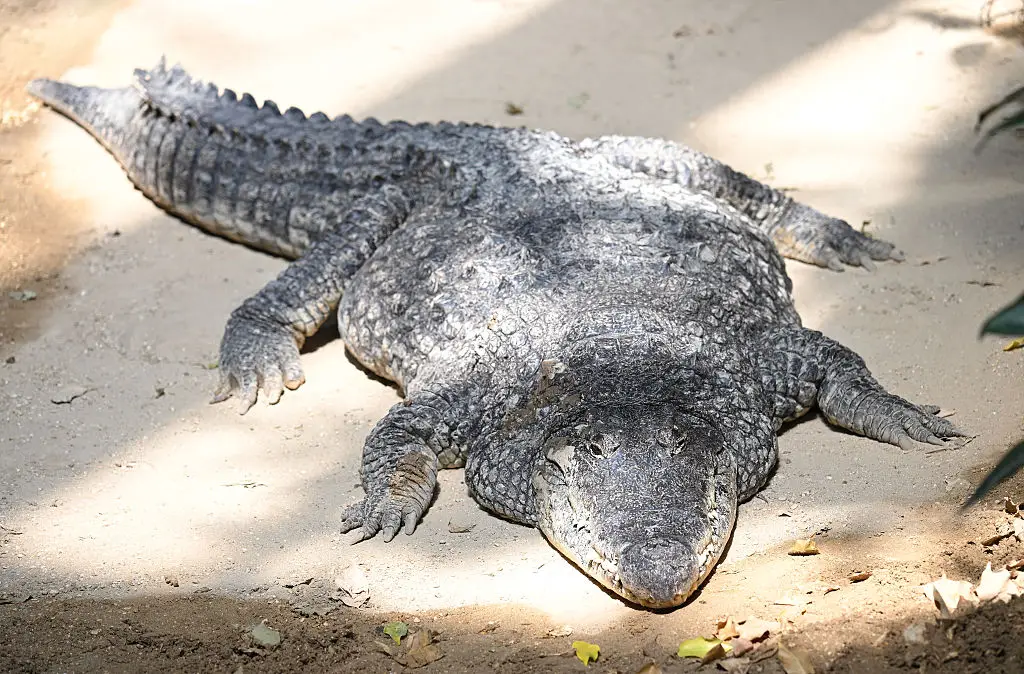
The science backs this up. Crocodiles are generally more aggressive than alligators due to their higher metabolism, more territorial nature, and reliance on hunting fast, large prey like zebra and wildebeest.
This evolutionary need requires them to be explosive and reactive, whereas alligators, which mostly eat fish and turtles, tend to be more docile and reclusive.
Robert said that alligators were so friendly, he has one he would consider his pet.
He said: "I mean, I can, like, call him over. His name's Sanchez. I'll be like, Hey, Chezy, Sanchez. And he'll come over and give me a little pat.
"If I tried that with one of my crocs, it would be a very brief afternoon."
Topics: Steve Irwin, Nature
 Thomas Bamford