
Tattoo removal explained as Pete Davidson shows bare arms after $200,000 procedure

Many celebrities are happy to drop six figure sums on procedures to stand out from the crowd, but comedian Pete Davidson has spent a similar amount on just trying to blend in.
That's because Davidson, 32, is on a years-long crusade to remove many of the roughly 200 tattoos that famously covered his body, spending around $200,000 so far on numerous procedures to wipe the slate clean.
The fruits of his dermatologist's labors were plain to see last week when the stand-up comic appeared on stage at CinemaCon in Las Vegas, showing off his new bare arms in a short-sleeved red T-shirt
Davidson's factory reset is a stark difference from his heavily-inked look, which he has previously said required roughly three hours of make-up work to cover up when filming. But having them removed is anything but simple.
Advert

The King of Staten Island star has relied on laser removal, the most popular method of reversing once-permanent ink creations, to get rid of his hundreds of tattoo over the course of the past six years.
While this method may sound simple and straightforward, the way it works is actually quite complicated and reveals a great deal about how tattoo artists turn a customer's dream into a permanent work of personal art.
Tattoo pigment is permanent not simply because it dyes your skin, but due to your immune system's response to being repeatedly stabbed with a needle.This is because of the infection-fighting white blood cells, called microphages, that rush to the injury site.
They attempt to consume and destroy the foreign substance being inserted with the tattooist's gun, but are unable to break down the chemical compounds contained in the pigment. This causes them to remain frozen in place with the pigment.
Influencer Aakash Gupta pointed out: "It gets weirder. When one of those cells finally dies of old age, a nearby macrophage grabs the released ink before it can drain. Then that one dies and passes it to the next one.
"The tattoo is a relay race of immune cells handing off the same ink particles for 50 years."
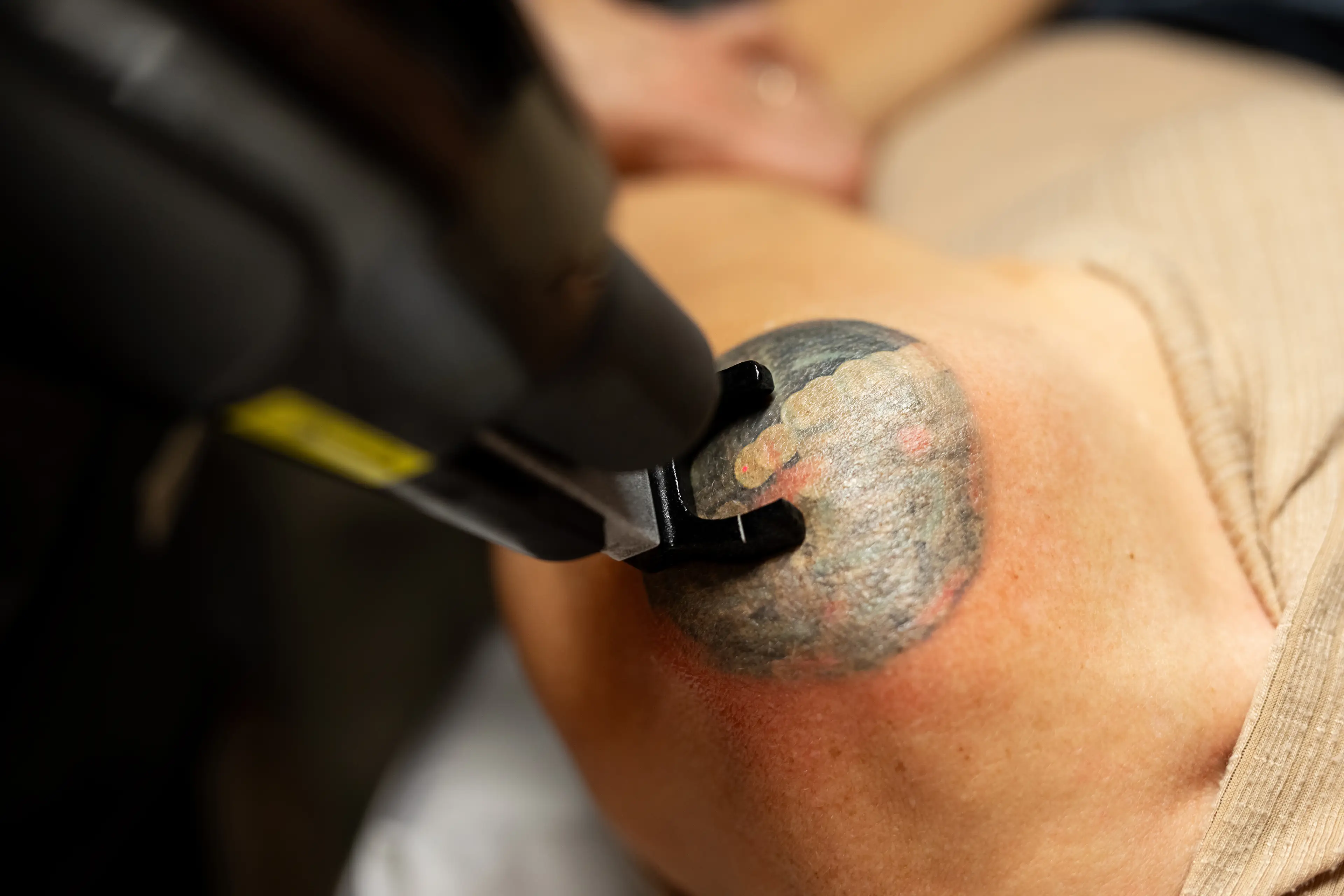
Laser therapy uses incredibly fast pulses of light to to shatter the tiny pigments of ink trapped under the skin by these white blood cells, breaking them down into smaller molecules to be dissipated in the body.
However, this process requires a good amount of time between each session to allow these shattered ink molecules to be removed by other white blood cells, meaning that people with larger tattoos will often require a large number of sessions to get rid of their misbegotten body art.
And these chemicals do not just disappear either, with ink leaving the body through the lymphatic system over the course of several months. Some remnants never leave either, with residue pigment often dying lymph nodes and causing incorrect results on medical scans.
Gupta argued: "Pete has 200+ tattoos. Each one needs 10-12 sessions because each session only wins a tiny fraction of the war. He's not buying tattoo removal.
"He's buying a decade-long siege against his own immune system, paid in installments of $500 shockwave blasts, while white blood cells inside his body sprint back and forth trying to eat their own ammo."
Topics: Pete Davidson, News, Celebrity
 William Morgan