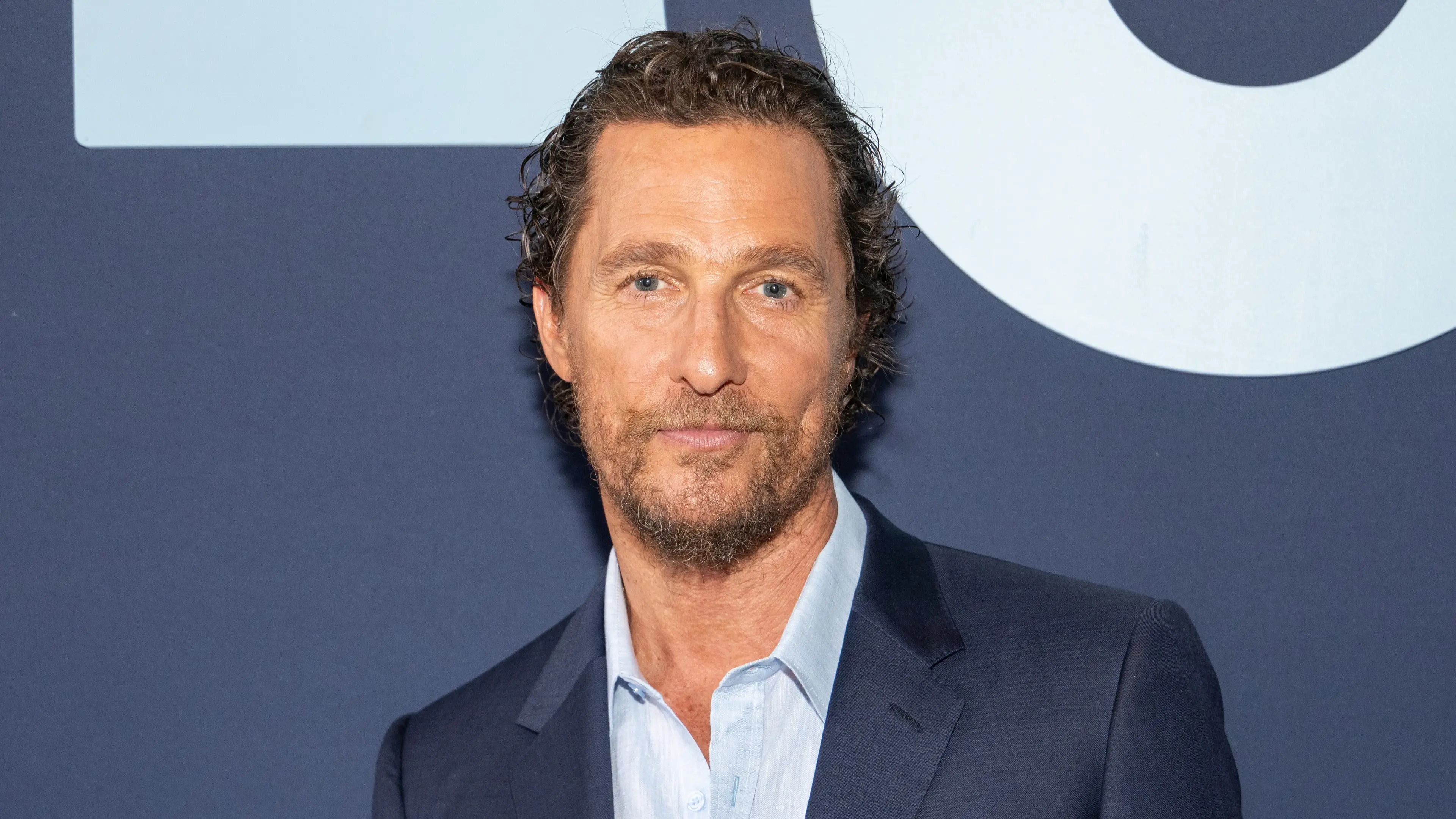
Matthew McConaughey trademarks iconic catchphrase for very 'bizarre' reason

Matthew McConaughey has trademarked some of his most iconic catchphrases for an unusual reason.
The Interstellar and Magic Mike star is known for several iconic lines, delivered in his smooth Texas accent.
Among these is, of course, his line from the 1993 comedy Dazed and Confused, which follows a group of students on the last day of high school, with all the hazing rituals that come with it.
One line delivered by McConaughey has become solidified as one of his most well known lines, saying: "alright, alright, alright!"
Advert
The line has since gone on to have a life well outside of its origins in the 1993 movie, but now one new problem has led to lawyers representing McConaughey to trademark the catchphrase.
This also includes the specific way in which the Dallas Buyers Club star said the line as well.
So, what's brought on this trademarking?
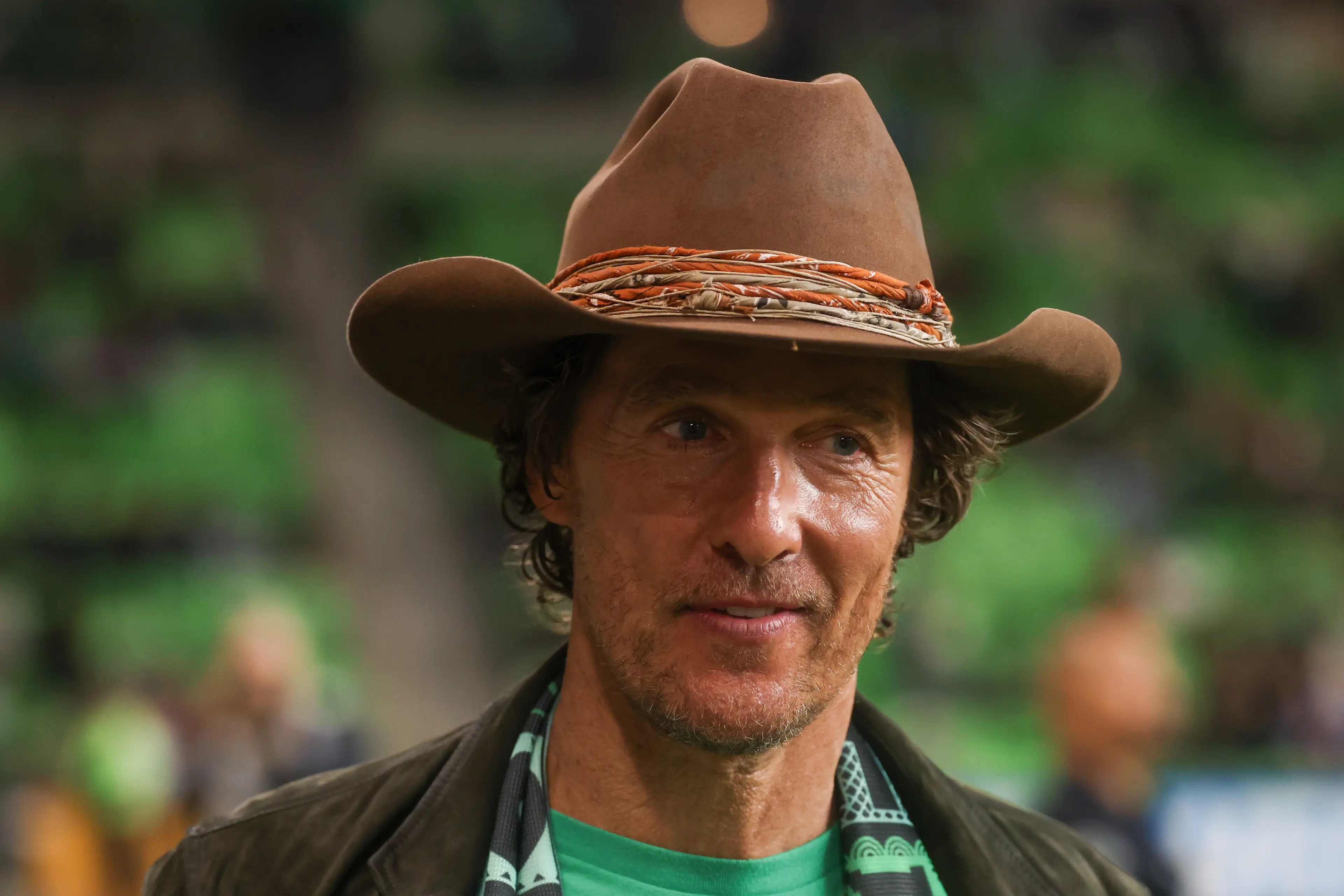
If you guessed the rise of AI, you would be correct.
Artists, including actors, musicians, photographers, filmmakers, and visual artists are extremely concerned about the development of generative AI.
While it might be championed as revelatory by its exponents, generative AI does not 'create' anything original in the way that an artist does.
It relies on databases of previous work, which it scrapes to generate a request that someone put in to spit out a picture of 'Mona Lisa in the style of Picasso', or whatever the request happened to be.
And McConaughey has trademarked his catchphrases in an attempt to stop generative AI from being able to use them.
This includes 'alright, alright, alright', as well as a 7-second clip of the actor standing on a porch, a thee-second-long clip of him sat in front of a Christmas tree.
There is also audio of him saying 'just keep livin’, right?' then a pause, and then 'I mean', a second pause, and then 'what are are we gonna do?'
The trademark registration read: “The mark consists of a man saying ‘ALRIGHT ALRIGHT ALRIGHT’, wherein the first syllable of the first two words is at a lower pitch than the second syllable, and the first syllable of the last word is at a higher pitch than the second syllable.”
Lawyers representing McConaughey made the application back in December 2023, and the USPTO approved it December last year.
Jonathan Pollack, a Yorn Levine of-counsel attorney, said: “In a world where we’re watching everybody scramble to figure out what to do about AI misuse, we have a tool now to stop someone in their tracks or take them to federal court.”
Kevin Yorn, a Yorn-Levine co-founder and partner, said: “I don’t know what a court will say in the end. But we have to at least test this."
Topics: Celebrity, Matthew McConaughey, News, US News, Artificial Intelligence, Art, Film and TV
 Kit Roberts