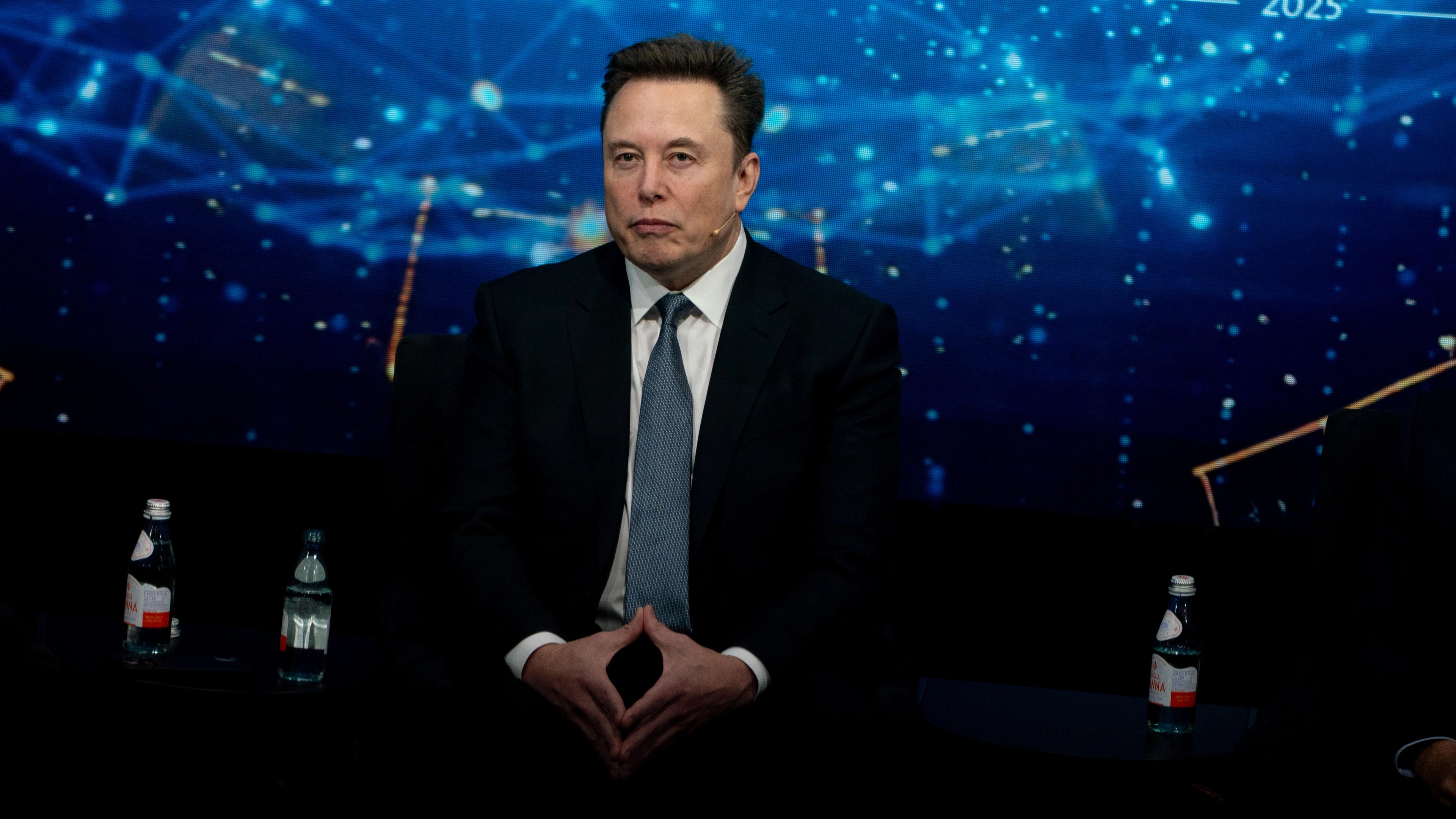
Staggering amount Elon Musk could have left if he gave everyone $100 as he becomes world's first trillionaire

Elon Musk has officially become the world's first trillionaire, and the numbers involved are so large they barely feel real.
SpaceX priced its IPO at $135 a share on June 11, valuing the company at $1.77 trillion and pushing Musk's total net worth past $1 trillion, a milestone no human being has ever reached.
Forbes now puts his fortune at approximately $1.1 trillion, meaning Musk has more personal wealth than the GDP of most countries on Earth.
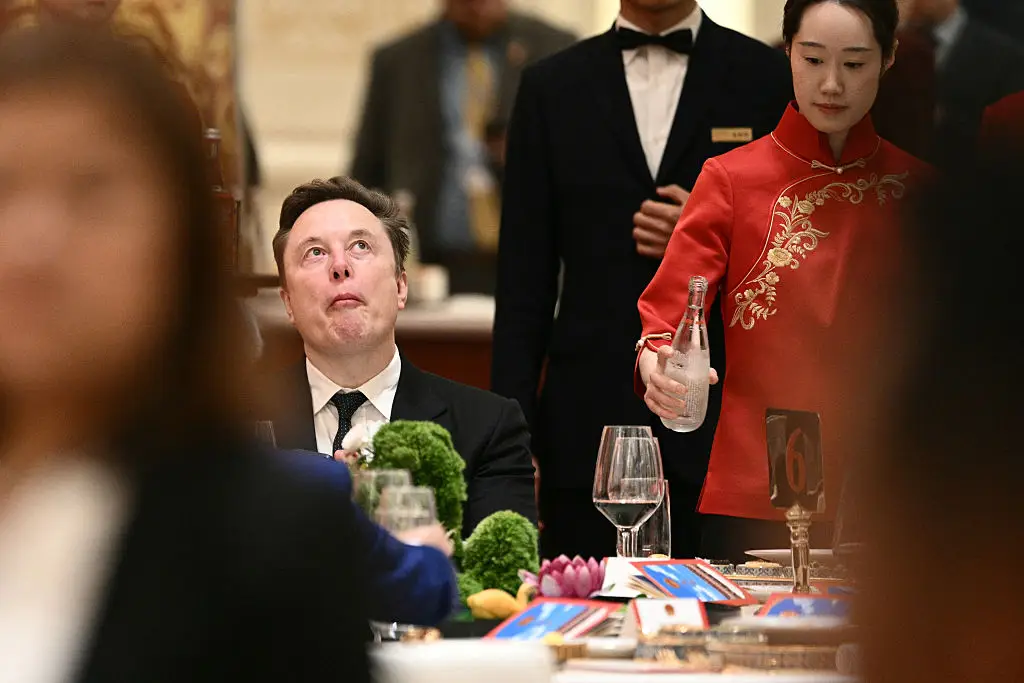
How much money does Elon Musk have?
But what does $1.1 trillion actually mean in practice? Because it's genuinely hard to wrap your head around.
Advert
Here's one way to think about it. There are roughly 8.2 billion people on Earth.
If Musk wanted to hand every single one of them $100, that would cost him $820 billion.
At his current net worth of $1.1 trillion, he'd still have around $280 billion left over, enough to remain one of the ten wealthiest people on the planet without breaking a sweat.
Oxfam, which published a detailed breakdown of Musk's wealth this week, ran a similar calculation using a conservative $1 trillion baseline and found he'd still have more than $184 billion remaining after the global handout.
The charity also worked out that if he spent $1 million every single day without stopping, it would take him 2,740 years to get through a trillion dollars.
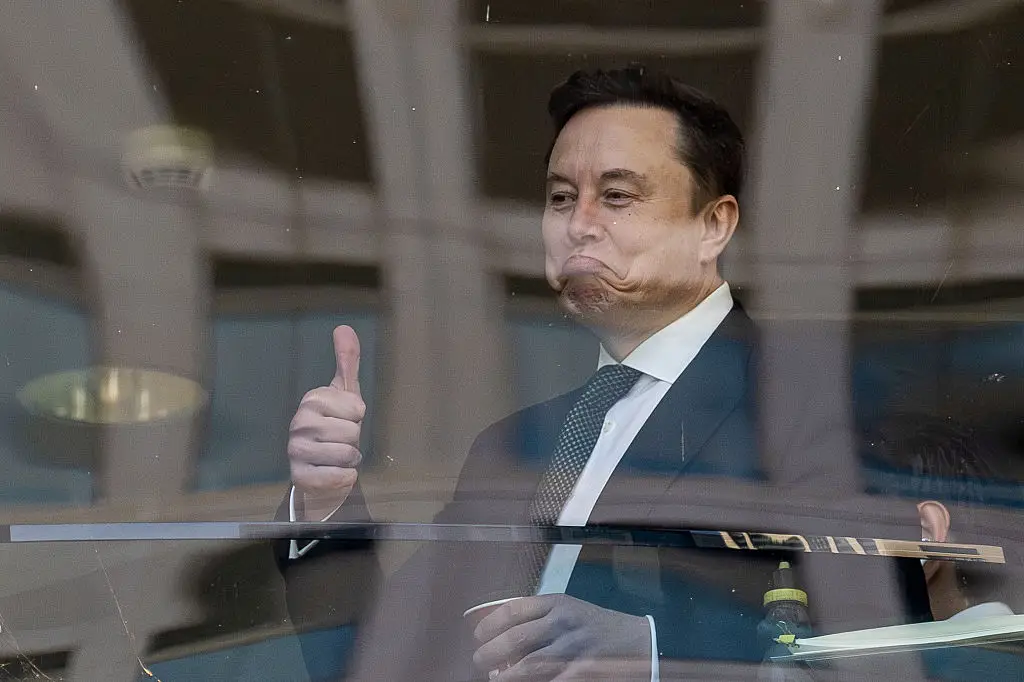
Musk is nearly as wealth as half of the people on earth combined
Oxfam's analysis didn't stop there. The organisation found that Musk is now wealthier than the poorest 46% of the entire global population, roughly 3.8 billion people, combined.
His fortune also grew by more than $550 billion in the past year alone, which works out at over $1 million every single minute.
To put the broader picture in context: a 10% tax on Musk's $1 trillion fortune could, according to Oxfam's calculations, end global extreme poverty for an entire year and lift more than 800 million people above the poverty line.
Nabil Ahmed, senior director of economic justice at Oxfam America, was blunt in his assessment. "Elon Musk's rise to trillionaire status marks a new pinnacle of oligarchy and a dark day for democracy," he said. "A trillion dollars in the hands of one man is incompatible not only with an affordable economy, but also with a healthy democracy."
How much are Elon's companies worth?
Musk's SpaceX stake is worth around $866.5 billion on paper, while his Tesla holdings add roughly $355 billion more, with options potentially adding over $100 billion on top of that.
Oxfam has been critical of the way that fortune was built, pointing out that SpaceX receives around a fifth of its revenue from federal government contracts, while reportedly paying little to no federal income tax thanks to provisions in Trump's Tax Cuts and Jobs Act.
The organisation also noted that over 70% of the agencies targeted by DOGE, which Musk led, presented direct conflicts of interest with his own business interests.
It is worth noting that the $1.1 trillion figure is not cash sitting in a bank account.
Almost all of Musk's wealth is equity in companies he controls, meaning the number shifts with stock prices and could not simply be liquidated without significantly impacting the value of those assets in the process.
But paper wealth or not, no individual in history has ever seen a number like this next to their name, and the debate about what it means is only just getting started.
SpaceX, Tesla and Elon Musk have been approached for comment.
 Thomas Bamford