Scientists fired lasers at Charles Darwin's jars of preserved specimens to learn key details for the future

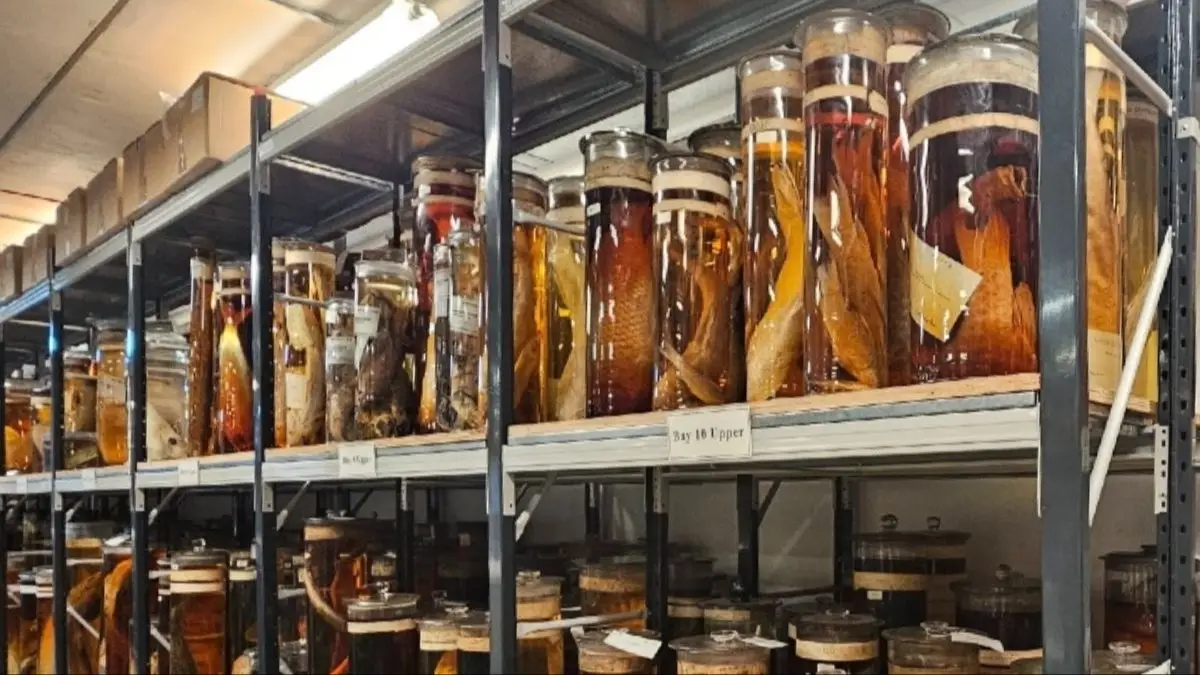
Researchers have analyzed the preserved specimen jars Charles Darwin took during his Galapagos voyage after 200 years of them remaining untouched.
Sat in the London's Natural History Museum (NHM), the study used lasers to understand more about the samples he took during his HMS Beagle trip.
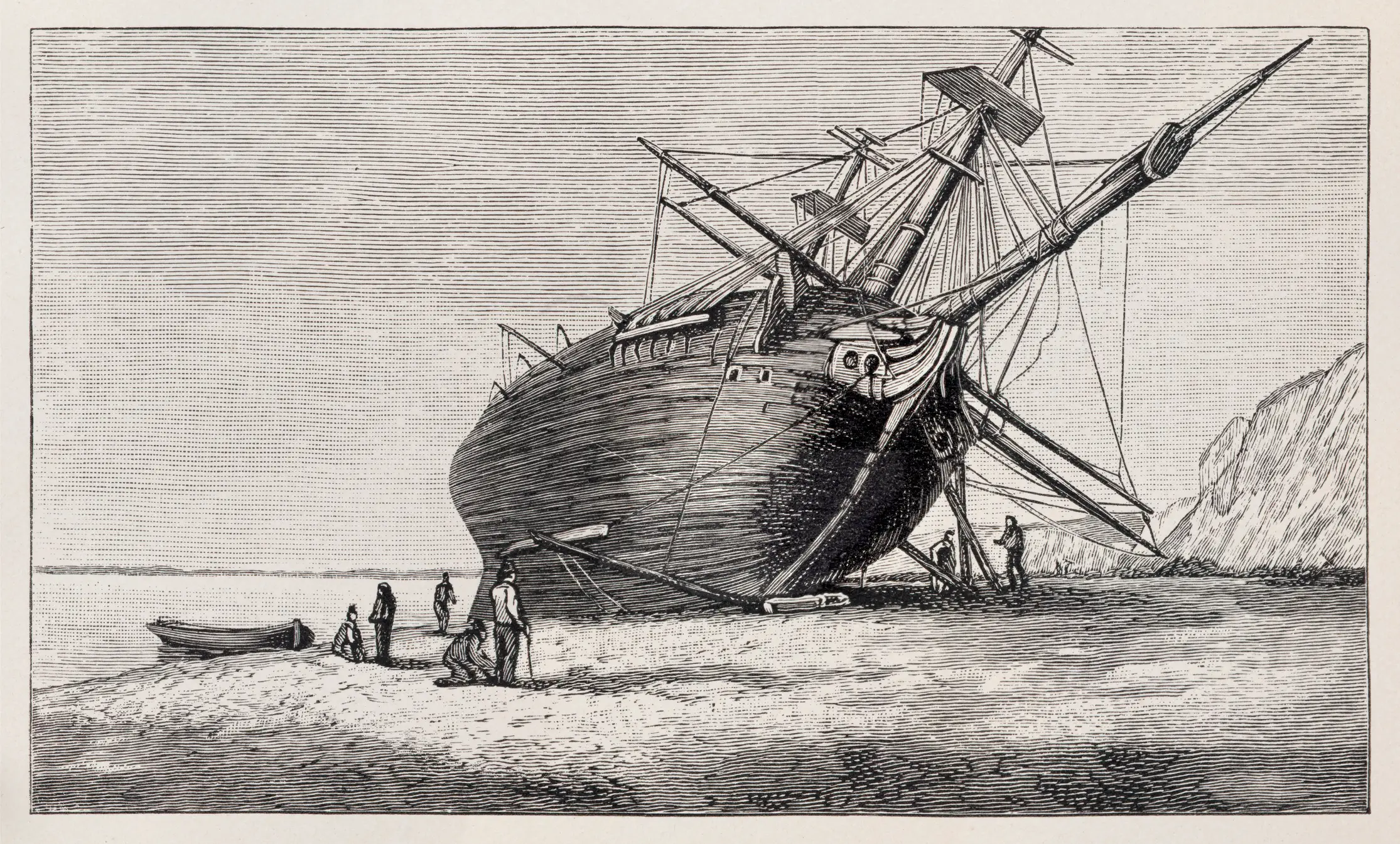
Darwin famously came up with his natural selection theory, and the process of evolution via the information he learned in the Galapagos Islands, by watching and collecting samples of various living things, like fish and reptiles.
However, nobody has ever known what they have been preserved using, as to test the fluid, the jars would have to be opened, compromising the integrity of the preservation process. Dr Sara Mosca, STFC Central Laser Facility said: “Until now, understanding what preservation fluid is in each jar meant opening them, which risks evaporation, contamination, and exposing specimens to environmental damage.
Advert
“This technique allows us to monitor and care for these invaluable specimens without compromising their integrity.”
Instead, scientists have decided to use a different approach by using multiple lasers to scan the fluid inside of the jars, without opening them.
"Analyzing the storage conditions of precious specimens, and understanding the fluid in which they are kept, could have huge implications for how we care for collections and preserve them for future research for years to come," NHM research technician Wren Montgomery revealed.
The 46 specimens were found to have used different fluids depending on the species.
Mammals and reptiles were fixed in formalin and stored in ethanol, with 80 per cent of fluid samples being correctly identified by the team thanks to their approach.
Invertebrates were found to have been stored in formaldehyde or buffered formaldehyde, occasionally with a bit of glycerol or phenoxetol to help with the integrity of the tissue sample (jellyfish and other squishy things).
Interestingly, they found that the mixtures varied by what was popular at the time of jarring.
"Over time, the variability in recipes… has led to considerable heterogeneity across collections, with mixtures of ethanol, methanol, glycerol, and formaldehyde commonly encountered in unknown proportions, further altered by potential evaporation and contamination over time," Montgomery, Mosca, and their colleagues explained.
The spatially offset Raman spectroscopy, or SORS method (lasers) allowed them to also figure out what the jars were made of too, providing insights into the storage methods of the era.
Essentially, the lasers measured the 'excitement' in a material's molecular structure via the light that is reemitted by the molecules, like light bouncing off a mirror.
This light provides a fingerprint of its makeup.
Thanks to lasers taking two Raman measurements at the source, and one away, they could see everything they needed without the jars obscuring the view.
 Britt Jones