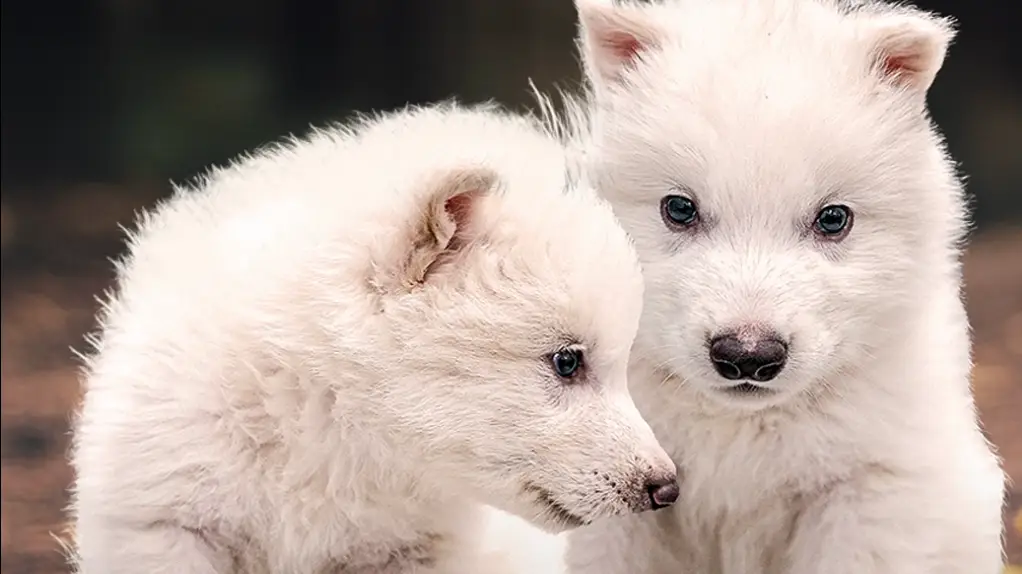
Scientists claim to have brought back dire wolf from extinction for the first time in 10,000 years

More than 10,000 years ago, dire wolves roamed our planet, hunting mammoths and other large Ice Age mammals.
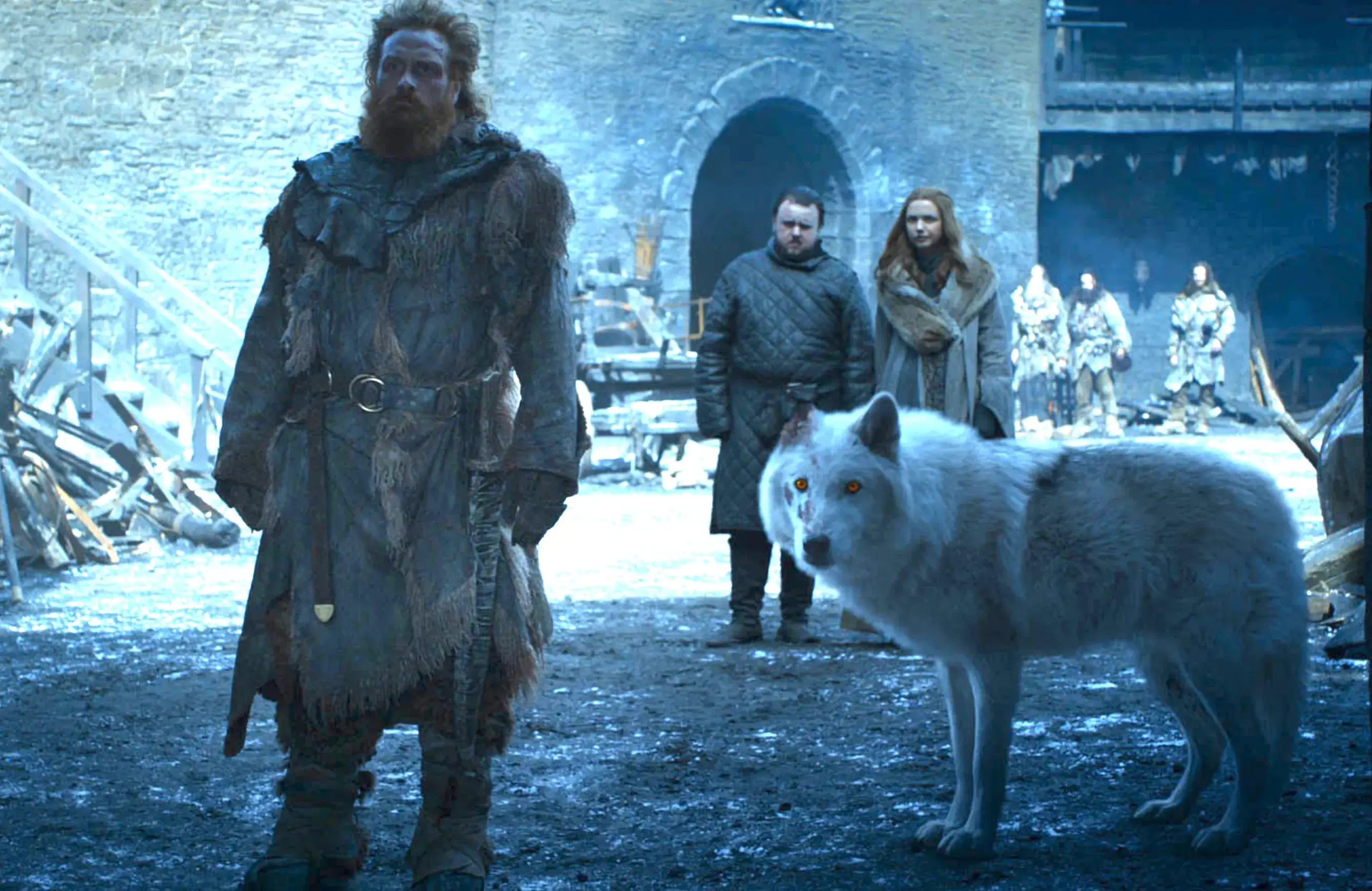
But their extinction coincided to when their prey died off, and in recent years, the species came back into public consciousness due to the roles they play in Game of Thrones - although, unlike the TV series, the apex predators were not, in fact, fictional.
And now, scientists claim to have brought them back from extinction.
Advert
Colossal Biosciences, a genetic engineering company based in the US, announced that three dire wolf puppies were created using 'deft genetic engineering and ancient DNA' - a process it describes as to 'de-extinct' the species.
"On October 1, 2024, for the first time in human history, Colossal successfully restored a once-eradicated species through the science of de-extinction," it writes on its website.
"After a 10,000+ year absence, our team is proud to return the dire wolf to its rightful place in the ecosystem.
"Colossal's innovations in science, technology and conservation made it possible to accomplish something that's never been done before: the revival of a species from its longstanding population of zero."
The dire wolves in question have been created using gray wolves DNA as well as ancient DNA of that of a dire wolf, although modern technology isn't advanced enough to magic a 100 percent replica of the extinct beast up.
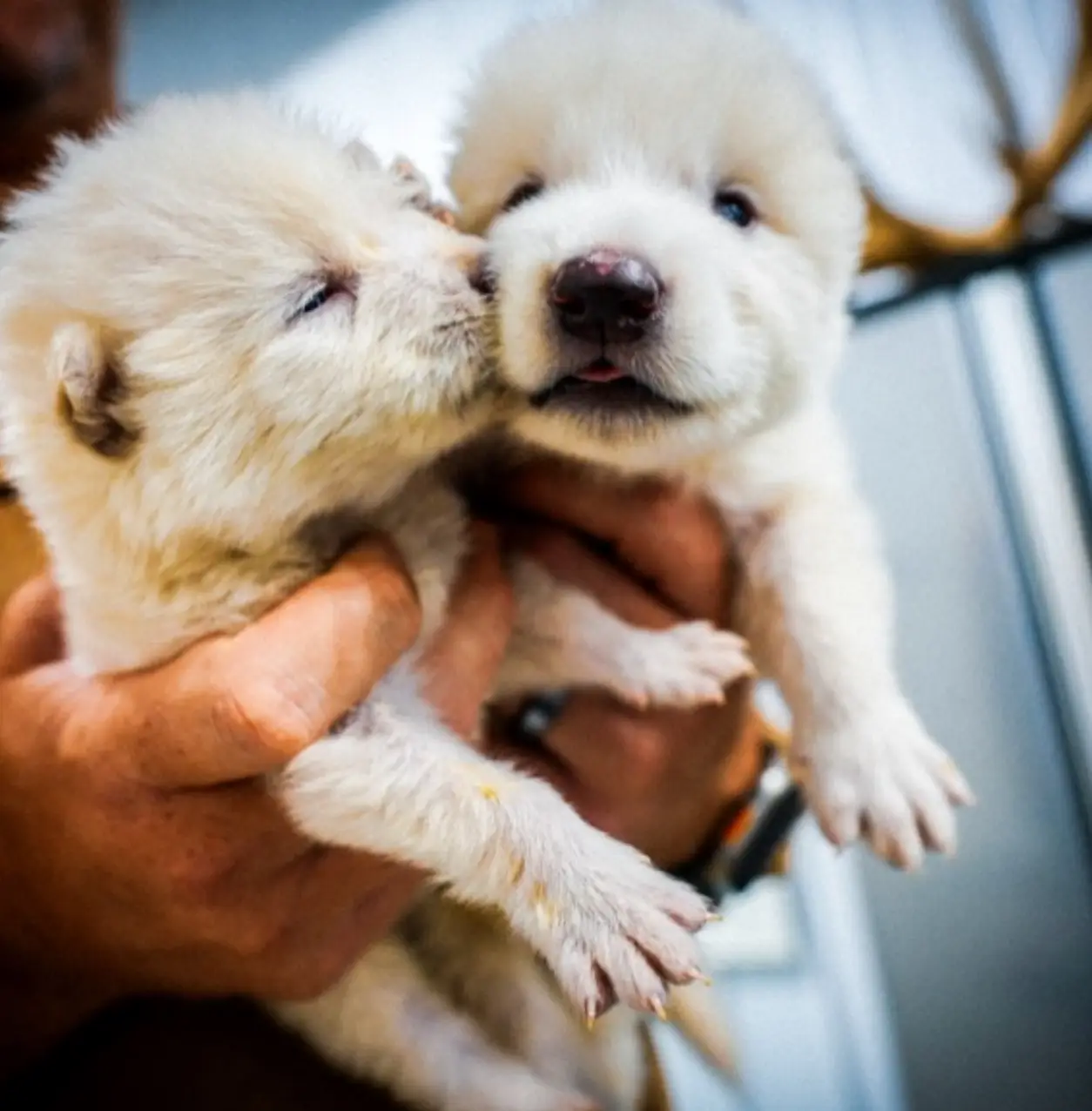
Other experts however, have described the young wolves - named Romulus, Remus, and Khaleesi - as being 'genetically modified gray wolves', according to Zoologist Philip Seddon from the University of Otago, in New Zealand (via the BBC).
Paleogeneticist Dr Nic Rawlence, also from Otago University, also explained exactly what happens to ancient DNA.
"Ancient DNA is like if you put fresh DNA in a 500 degree oven overnight," he told the publication. "It comes out fragmented - like shards and dust.
"You can reconstruct [it], but it's not good enough to do anything else with."
He added: "So what Colossal has produced is a gray wolf, but it has some dire wolf-like characteristics, like a larger skull and white fur. It's a hybrid."
Love Dalén, a professor in evolutionary genomics based at the Centre for Palaeogenetics at Stockholm University, who also advised Colossal, shared a similar sentiment.
"There’s no secret that across the genome, this is 99.9% gray wolf. There is going to be an argument in the scientific community regarding how many genes need to be changed to make a dire wolf, but this is really a philosophical question." Dalén told CNN, adding: "It carries dire wolf genes, and these genes make it look more like a dire wolf than anything we’ve seen in the last 13,000 years. And that is very cool.”
Colossal biologist, Dr Beth Shapiro, said that dire wolves and gray wolves are 'genetically really similar', so they 'targeted DNA sequences that lead to dire wolf traits and then edited grey wolf cells' - with the end result being 'cloned cells' to create their dire wolves.
But it's not just the dire wolf, as Colossal Biosciences is also working towards recreating woolly mammoths, the dodo bird, northern white rhinoceros and a Tasmanian tiger.
Topics: Science, Animals, World News
 Joe Yates