How astronauts use the bathroom in space as Artemis II crew faced toilet issue

An astronaut previously explained how they use the toilet while in space amid the bathroom issues the Artemis II crew faced just hours into their launch.
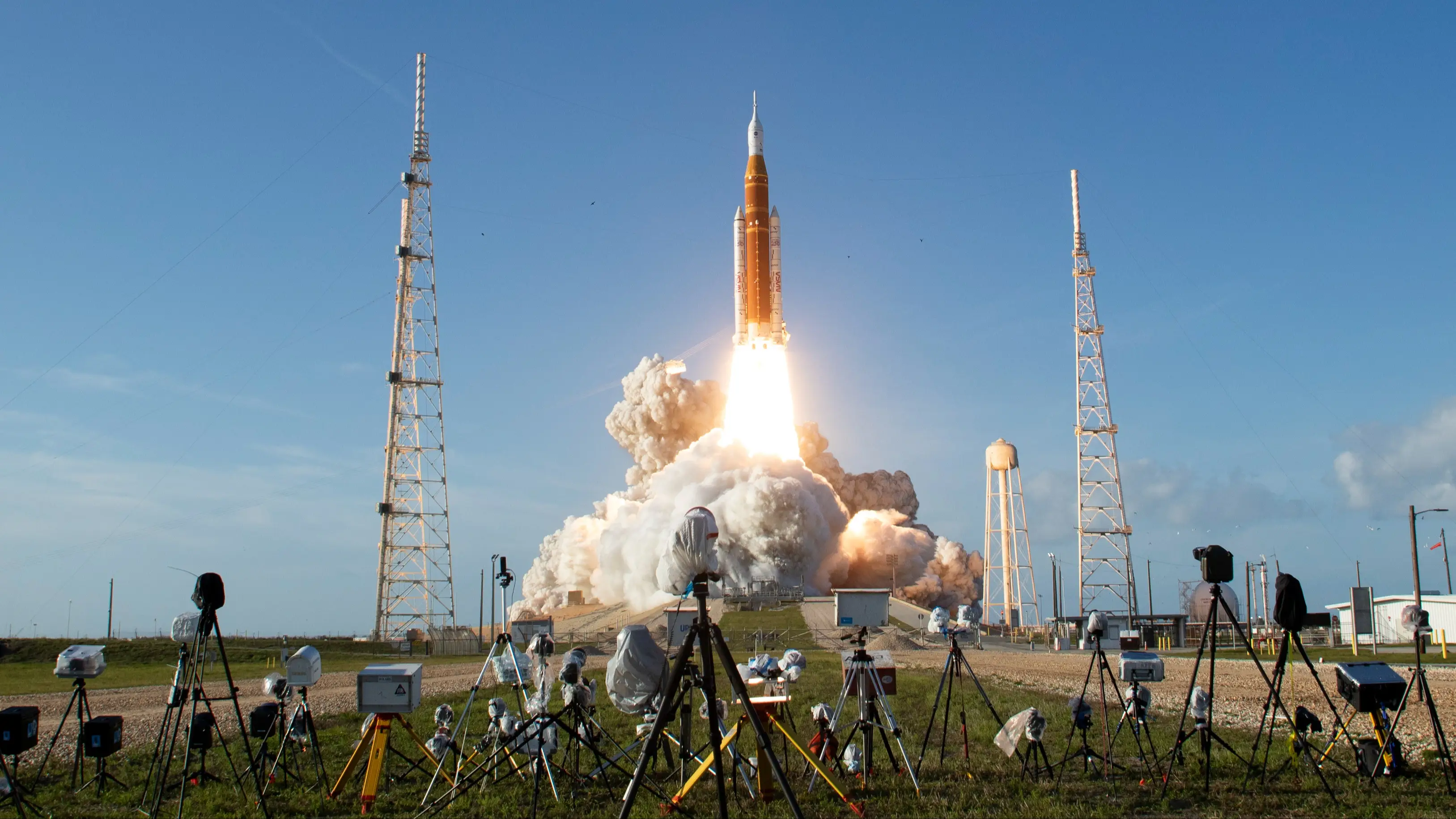
The space mission, which will see four astronauts orbit the moon if all goes to plan, launched from Florida on Wednesday without any hiccups.
Well, there was a problem with a toilet for a bit of time, with the crew telling mission control that an amber warning light appeared on the toilet.
Mission control stated they needed some time to provide a fix for the toilet, though it has since been fixed.
Advert
Reports say that the crew reported a 'blinking fault light and mission control teams successfully assessed the data and worked with the crew to troubleshoot and resolve the issue'.
The whole toilet situation has lead to many wondering what is the score with the bathroom and needing the loo in space.
In a video uploaded to the European Space Agency (ESA) YouTube channel in 2015, Samantha Cristoforetti explained how a hose-looking function is key to going for the loo.

The astronaut explained how turning it 90 degrees creates a 'suction fan', which can be used when you need to urinate.
Samantha explained how things are a bit different when it comes to going for a poo, though the process of suction remains prevalent.
It involves sitting on a more typical toilet seat, though the waste does end up in a bag so it's not unpleasant for the next person to go.
The solid waste container will be changed once full, which is every ten days for a three-person crew, according to the astronaut.
Urine, on the other hand, gets 'recycled' through a 'pretty complicated hydraulic equipment' sitting behind the loo.
And one final thing for astronauts going for a number two in space is that they are advised to put the fan on because the last thing you want is an unpleasant smell stinking out the spacecraft.
Why won't NASA's Artemis II astronauts land on the Moon?
History has been made as NASA's Artemis II mission launched from Earth to the Moon on April 1 with a manned crew.
This is the first time in over 50 years that a crewed mission has been sent to the Moon; the last time was the Apollo 17 mission in 1972, which saw Commander Gene Cernan and Lunar Module Pilot Harrison Schmitt walk on the lunar surface.
Artemis II - made up of NASA astronauts Reid Wiseman, Victor Glover, Christina Koch, and Canadian Space Agency astronaut Jeremy Hansen onboard the Orion spacecraft - is a ten-day mission filled with science, spacecraft tests, medical checks, survival training and more.
But what it won't be doing is landing on the Moon.
Simply put, the Artemis programme isn't built to put Artemis II on the Moon, and the Orion spacecraft doesn't have landing capability.
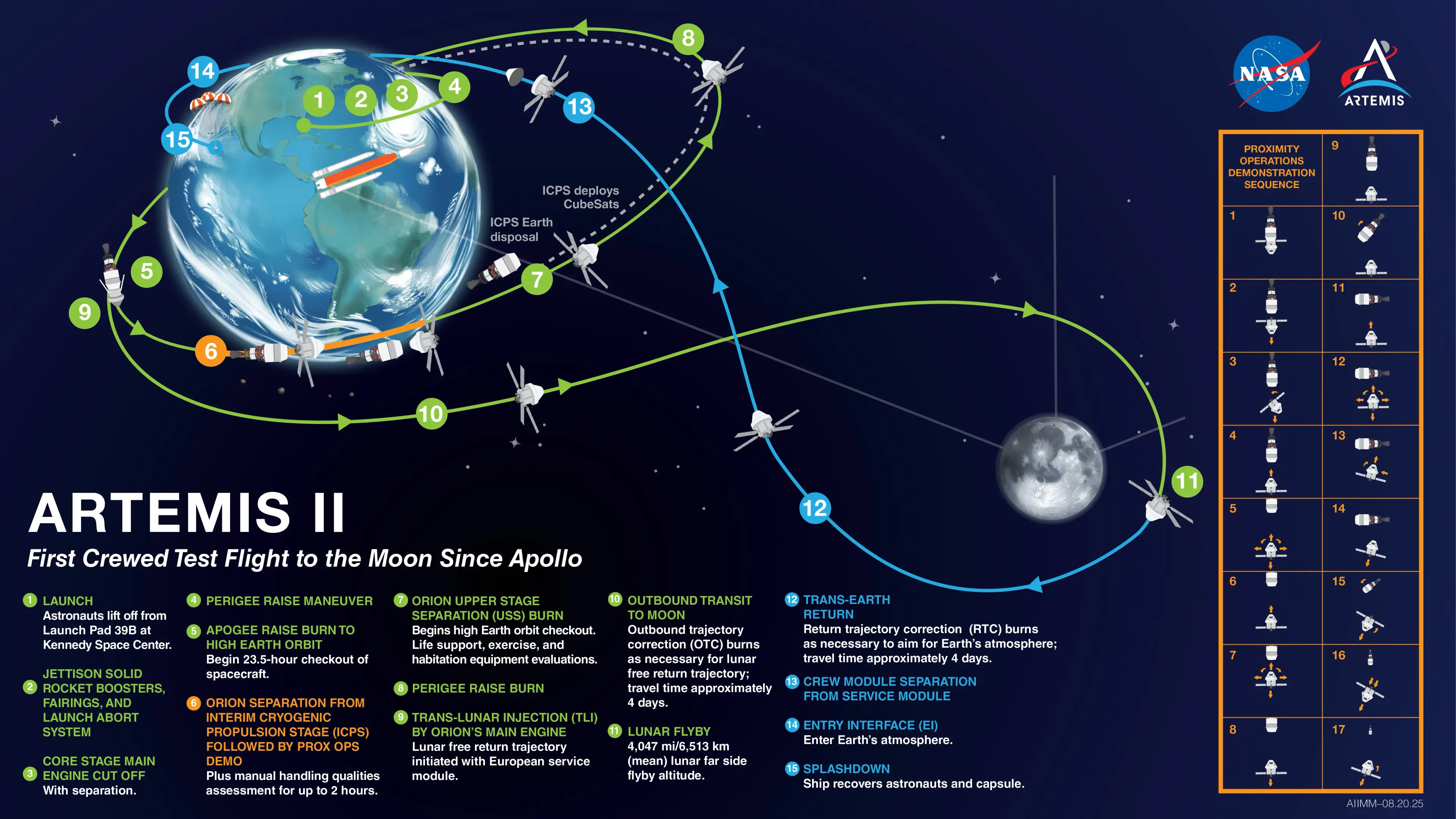
It's important to note that Artemis II is a 'test mission' to the Moon, but this time with crew. Artemis I successfully sent an uncrewed Orion spacecraft to lunar orbit and back in late 2022.
NASA hopes that this mission 'will confirm all the spacecraft’s systems operate as designed with crew aboard in the actual environment of deep space'.
"The mission will pave the way for lunar surface missions, establishing long-term lunar science and exploration capabilities and inspire the next generation of explorers," the space agency said in their mission description.
NASA originally had hopes that Artemis III would pull off the first lunar landing in 2027, however, the agency restructured the programme earlier this year, resulting in Artemis III becoming a mission that will practice docking and rendezvous operations in Earth orbit between Orion and one or both of the program's private crewed landers.
If all goes well, NASA aims to have astronauts on the Moon in 2028 with Artemis IV.
 Callum Jones