unilad homepage
  • News
    • UK News
    • US News
    • World News
    • Crime
    • Health
    • Money
    • Sport
    • Travel
  • Film and TV
    • Netflix
  • Music
  • Tech
  • Features
  • Celebrity
  • Politics
  • Advertise
  • Terms
  • Privacy & Cookies
  • LADbible Group
  • LADbible
  • SPORTbible
  • GAMINGbible
  • Tyla
  • UNILAD Tech
  • FOODbible
  • License Our Content
  • About Us & Contact
  • Jobs
  • Latest
  • Archive
  • Topics A-Z
  • Authors
Facebook
Instagram
X
Threads
TikTok
YouTube
Submit Your Content
Airports forced to make drastic change to X-ray machines after horror over what they're able to actually see

Home> Technology> News

Published 10:09 25 Oct 2024 GMT+1

Airports forced to make drastic change to X-ray machines after horror over what they're able to actually see

The Transportation Security Administration (TSA) tried to get the issue fixed but ended up having to scrap the scanners completely

Poppy Bilderbeck

Poppy Bilderbeck

google discoverFollow us on Google Discover
Featured Image Credit: Baona/Christopher Furlong/Getty Images

Topics: Technology, Travel, US News

Poppy Bilderbeck
Poppy Bilderbeck

Poppy Bilderbeck is a freelance journalist with words in Daily Express, Cosmopolitan UK, LADbible, UNILAD and Tyla. She is a former Senior Journalist at LADbible Group. She graduated from The University of Manchester in 2021 with a First in English Literature and Drama, where alongside her studies she was Editor-in-Chief of The Tab Manchester. Poppy is most comfortable when chatting about all things mental health, is proving a drama degree is far from useless by watching and reviewing as many TV shows and films as possible.

Advert

Advert

Advert

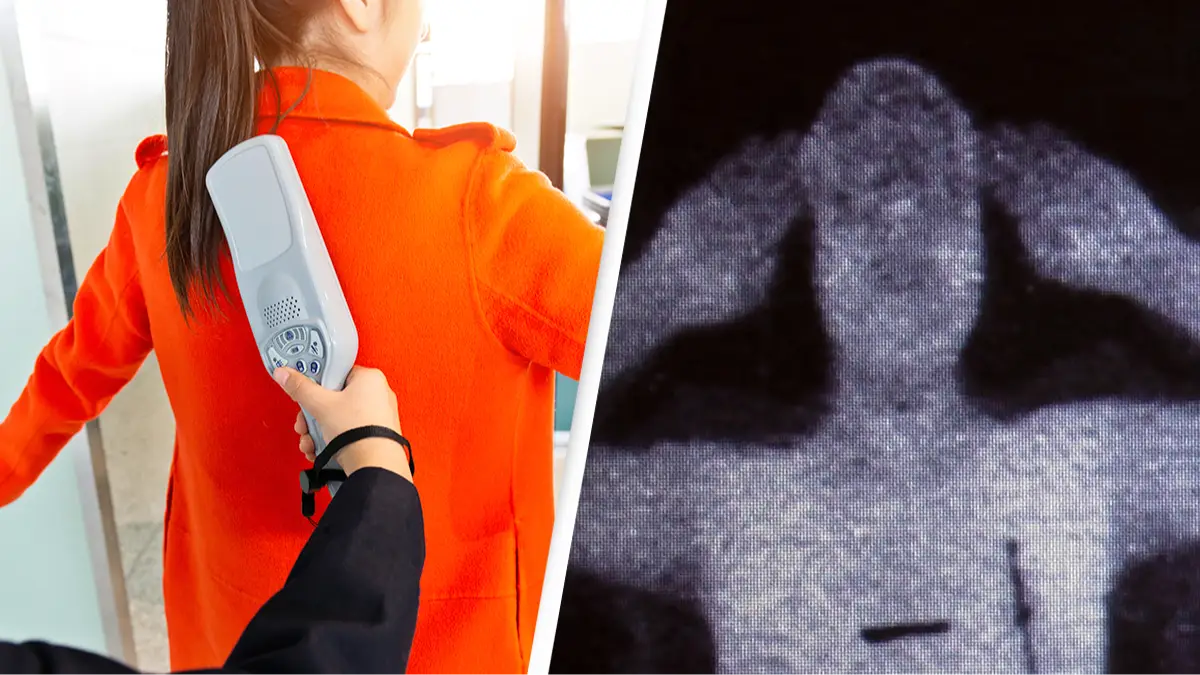
US airports were forced to change the security scanners they used after it was revealed just how much the x-rays showed up.

If you find it easy to walk through airport security and not poop your pants, panicking someone has suddenly planted a bomb on you or some sort of drugs or illegal weapon then congratulations - no, just me?

It's the worst part of any holiday and the only thing which makes it worth it is the Pina Colada you know'll be waiting for you on a beach the other end.

Advert

And while the scanners in the US may not pick up on your trembling fear, it turns out they used to be able to pick up on a hell of a lot more than you probably realized - so much so, they had to be drastically changed.

Prior to the change made in 2013, TSA used body scanners made by OSI Systems' Rapiscan division to assess passengers making their way through the airport.

The scanners were introduced after a failed terrorist attempt in 2009 that revolved around bomb parts hidden in someone's underwear, and offered a full-body infrared image for security agents to look at.

It might sound like a pretty normal process, but in reality, it meant security agents could effectively see you completely nude.
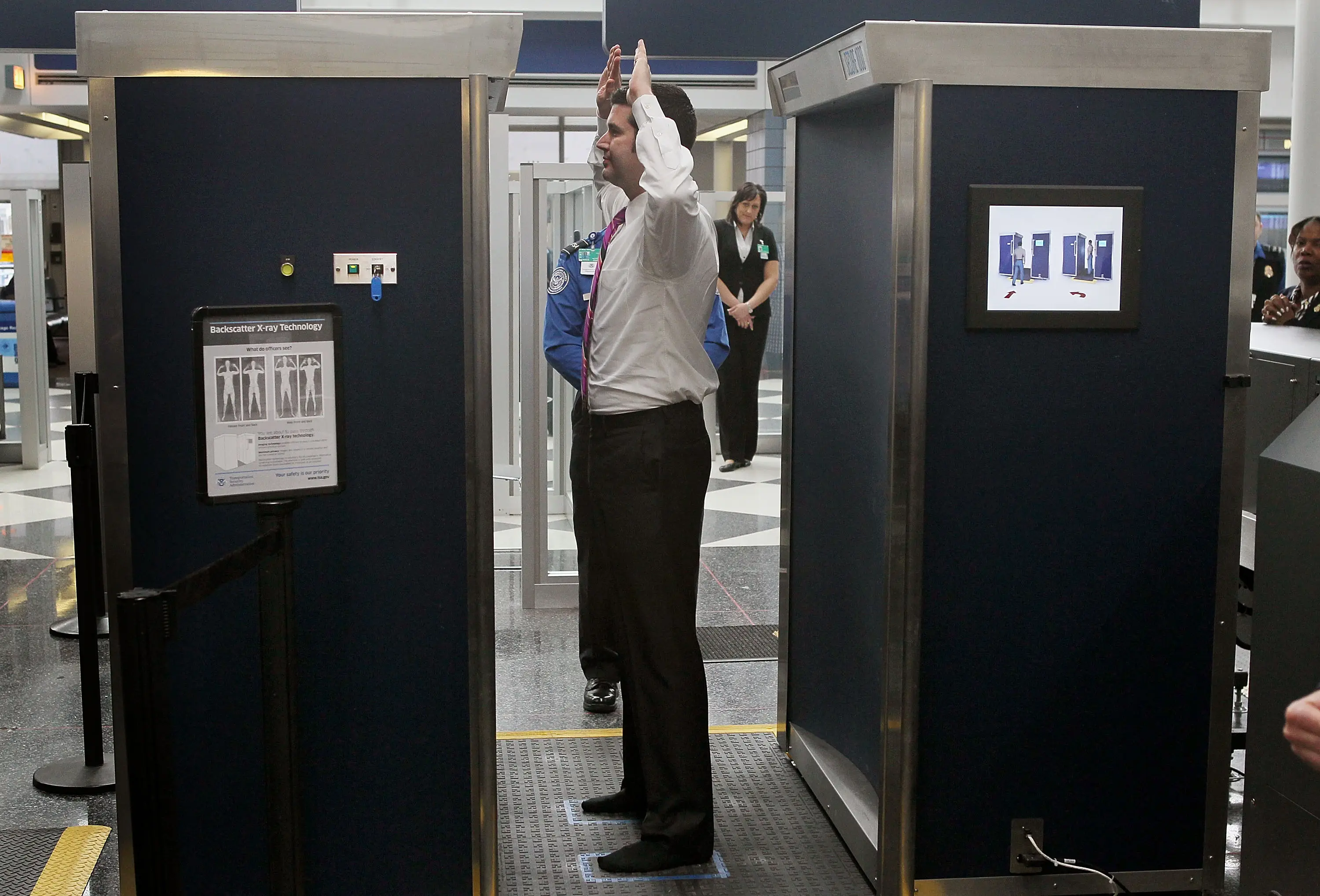
TSA's full body scanners had to be changed (Scott Olson/Getty Images)

Needless to say, that's not the relaxing start to a vacation people would be looking for.

The scanners sparked controversy and prompted TSA to ask Rapiscan to develop a new software problem that would correct the problems.

However, Rapiscan informed TSA that it would not be able to meet the June 2013 deadline it had set.

As a result, TSA announced that it would no longer use the scanners.

"TSA has strict requirements that all vendors must meet for security effectiveness and efficiency," the agency said.
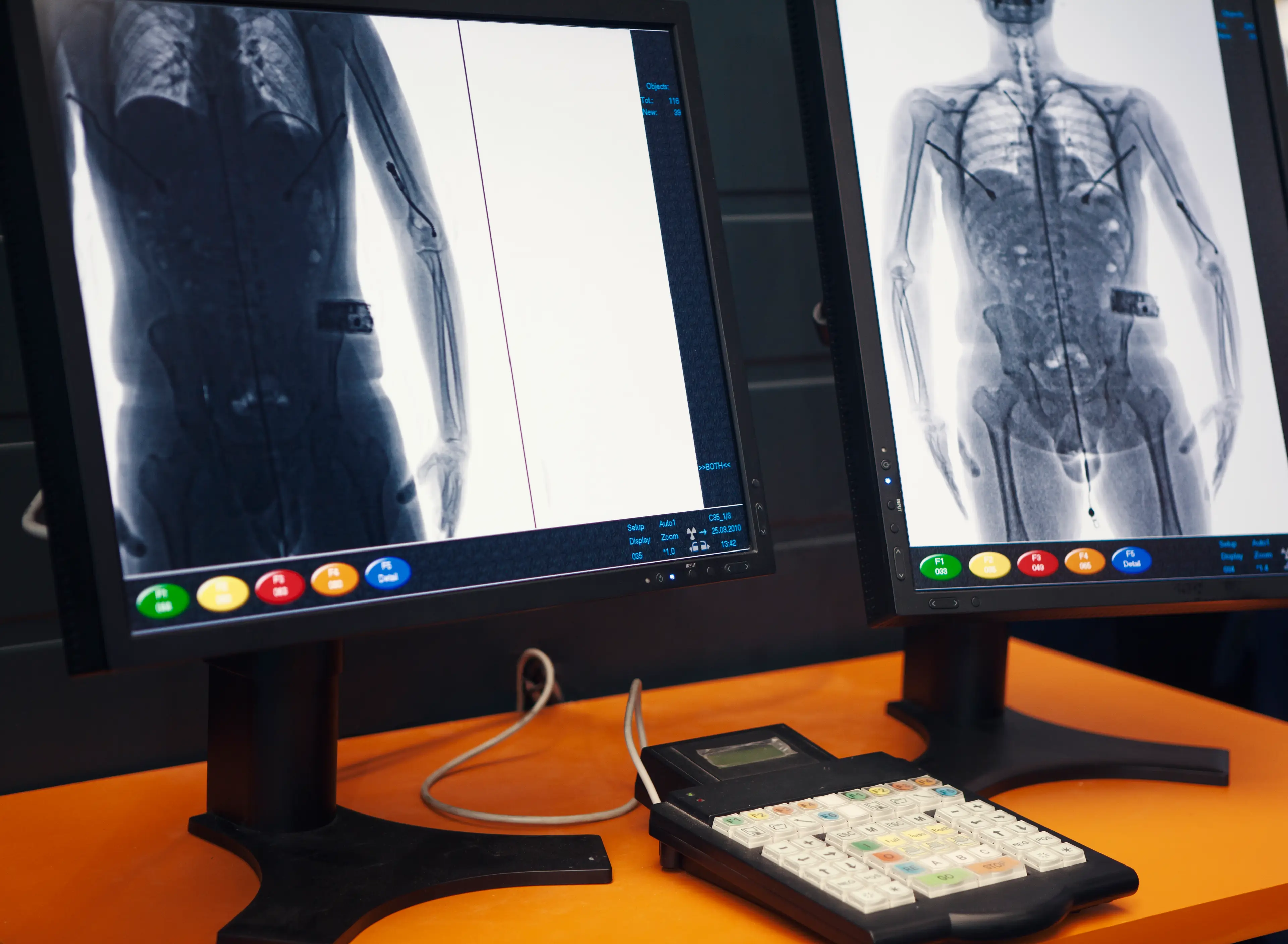
The scanners were showing up a bit more than everyone bargained for (Getty Stock Images/ Erlucho)

"Due to its inability to deploy non-imaging Automated Target Recognition (ATR) software by the Congressionally-mandated June 2013 deadline, TSA has terminated part of its contract with Rapiscan.

"By June 2013 travelers will only see machines which have ATR that allow for faster throughput.

"This means faster lanes for the traveler and enhanced security. As always, use of this technology is optional."

There were 174 Rapsican body scanners still in use when the announcement went out, but they were phased out over the following months and replaced by new scanners created by the company L-3 Communications, which only show generic images of the customers passing through.

  • Airports forced to make change to X-ray machines after horror over what they were able to actually see
  • Hours-long TSA lines in the US are being avoided by travelers at 20 airports
  • Trump spokesperson forced to respond to claims he's dead or receiving treatment at military hospital
  • Trump shows his notes during press briefing as viewers try to see what it says

Choose your content:

3 hours ago
7 hours ago
22 hours ago
a day ago
  • Chip Somodevilla/Getty Images
    3 hours ago

    How much Artemis II astronauts are getting paid as they break records

    Reid Wiseman, Victor Glover, Christina Koch and Jeremy Hansen left Earth on April 1 to travel to the Moon

    Technology
  • Reid Wiseman/NASA via Getty Images
    7 hours ago

    Astronaut shares historic message as Artemis II regains contact with earth after 40-minute blackout

    As Orion passed behind the Moon, contact with Earth was lost.

    Technology
  • NASA
    22 hours ago

    Reason why NASA video has sparked conspiracy theory that Artemis II mission is being faked with green screens

    Artemis II is going to the Moon for the first time since the 1970s

    Technology
  • Reflect Orbital
    a day ago

    Scientists issue warning over controversial plan to launch 50,000 mirrors into space

    The proposed plan would supposedly offer sunlight 'on demand'

    Technology