unilad homepage
unilad homepage
  • News
    • UK News
    • US News
    • World News
    • Crime
    • Health
    • Money
    • Sport
    • Travel
  • Music
  • Technology
  • Film and TV
    • News
    • DC Comics
    • Disney
    • Marvel
    • Netflix
  • Celebrity
  • Politics
  • Advertise
  • Terms
  • Privacy & Cookies
  • LADbible Group
  • LADbible
  • SPORTbible
  • GAMINGbible
  • Tyla
  • UNILAD Tech
  • FOODbible
  • License Our Content
  • About Us & Contact
  • Jobs
  • Latest
  • Archive
  • Topics A-Z
  • Authors
Facebook
Instagram
X
Threads
TikTok
YouTube
Submit Your Content
Airports forced to make change to X-ray machines after horror over what they were able to actually see
Home>Technology>News
Published 18:31 31 May 2024 GMT+1

Airports forced to make change to X-ray machines after horror over what they were able to actually see

TSA asked the creators of the scanners to fix the issue, but there was still one problem

Emily Brown

Emily Brown

google discoverFollow us on Google Discover
Featured Image Credit: Twitter/@‌greendaylover44/Don Mason

Topics: Travel, Technology

Emily Brown
Emily Brown

Emily Brown is UNILAD Editorial Lead at LADbible Group. She first began delivering news when she was just 11 years old - with a paper route - before graduating with a BA Hons in English Language in the Media from Lancaster University. Emily joined UNILAD in 2018 to cover breaking news, trending stories and longer form features. She went on to become Community Desk Lead, commissioning and writing human interest stories from across the globe, before moving to the role of Editorial Lead. Emily now works alongside the UNILAD Editor to ensure the page delivers accurate, interesting and high quality content.

Advert

Advert

Advert

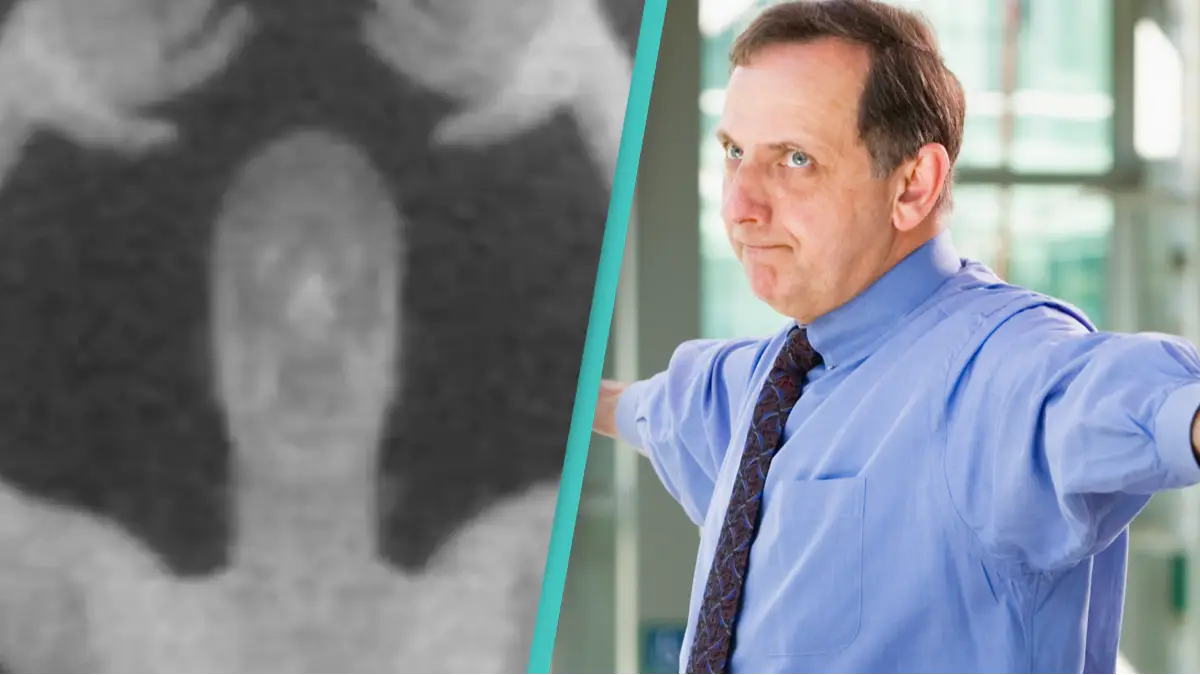
Airports across the US underwent a big change in their security systems after news came to light about just how much the agents could really see.

When it comes time to go on vacation, all your want to do is get on that plane and be on your way.

But no matter how much we might try to forget about it, there's one hurdle standing in the way: airport security.

Advert

Sometimes it can feel like the line to make it to the scanners is stretching on forever, but if that's enough to rile you up, just wait until you hear about this experience just a few years ago.

Admittedly, lines were probably of a similar length, but it was what happened once you made it to the scanner that proved very controversial for travellers.

Prior to the change made in 2013, TSA used body scanners made by OSI Systems' Rapiscan division to assess passengers making their way through the airport.

The scanners were introduced after a failed terrorist attempt in 2009 that revolved around bomb parts hidden in someone's underwear, and offered a full-body infrared image for security agents to look at.
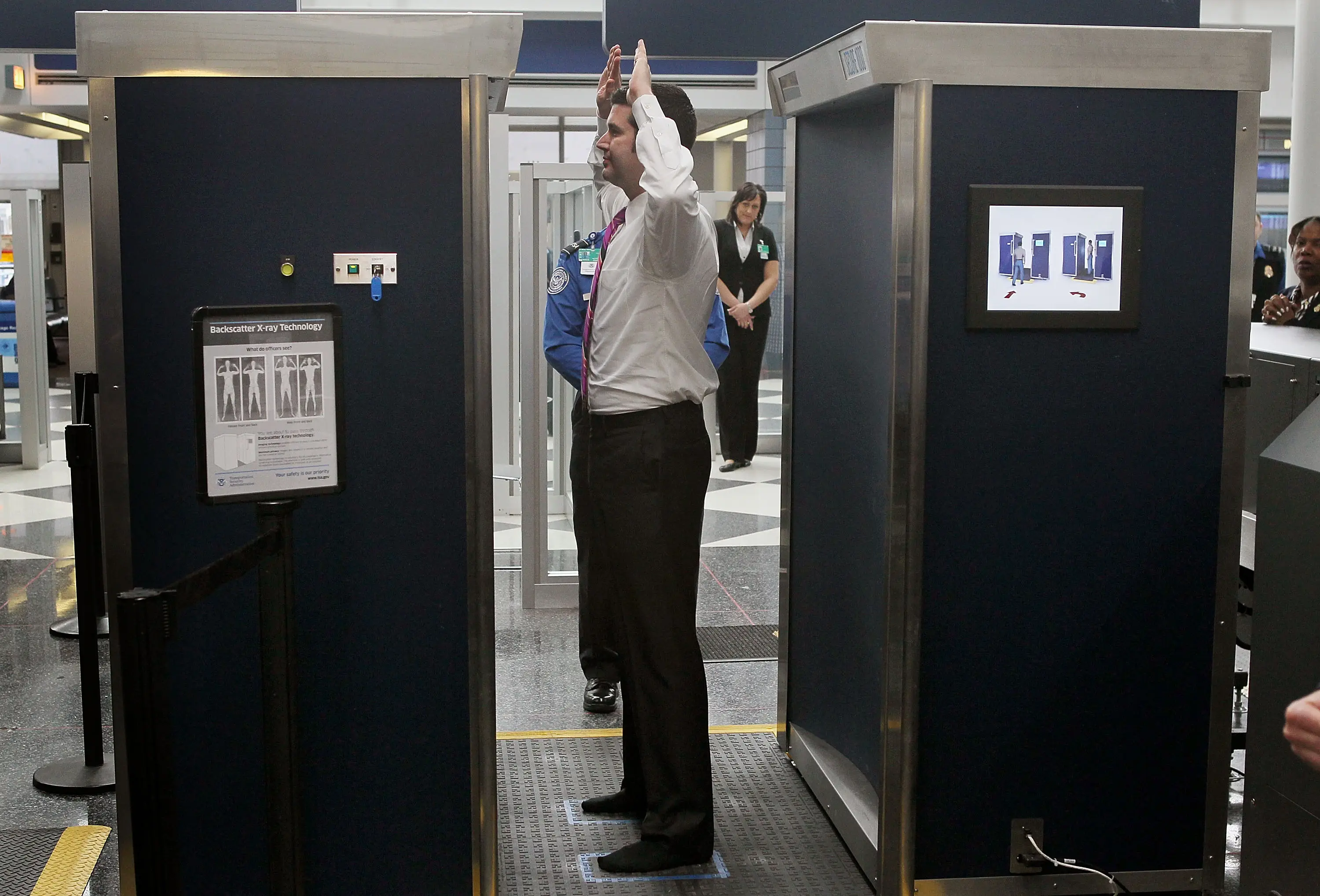
There were concerns the scanners showed too much detail. (Scott Olson/Getty Images)

It might sound like a pretty normal process, but in reality, it meant security agents could effectively see you completely nude.

Needless to say, that's not the relaxing start to a vacation people would be looking for.

The scanners sparked controversy and prompted TSA to ask Rapiscan to develop a new software problem that would correct the problems.

However, Rapiscan informed TSA it would not be able to meet the June 2013 deadline it had set.

As a result, TSA announced that it would no longer use the scanners.
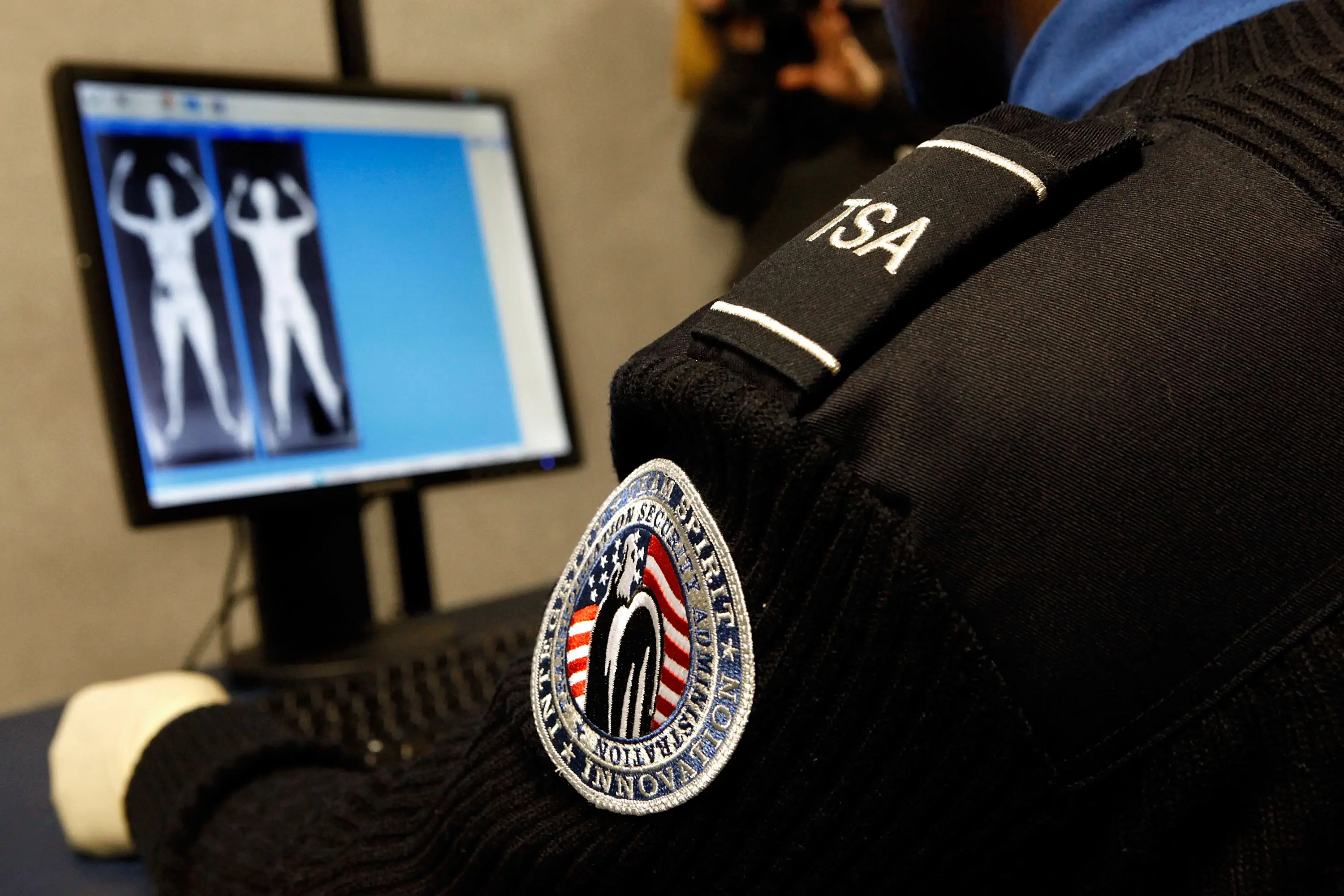
New scanners show more generic images. (Chip Somodevilla/Getty Images)

"TSA has strict requirements that all vendors must meet for security effectiveness and efficiency," the agency said.

"Due to its inability to deploy non-imaging Automated Target Recognition (ATR) software by the Congressionally-mandated June 2013 deadline, TSA has terminated part of its contract with Rapiscan.

"By June 2013 travelers will only see machines which have ATR that allow for faster throughput. This means faster lanes for the traveler and enhanced security. As always, use of this technology is optional."

There were 174 Rapsican body scanners still in use when the announcement went out, but they were phased out over the following months and replaced by new scanners created by the company L-3 Communications, which only show generic images of the customers passing through.

Choose your content:

13 hours ago
14 hours ago
18 hours ago
3 days ago
  • Getty Stock Image
    13 hours ago

    Experts reveal why common email apology is actually making co-workers hate you

    Many way want to rethink their phrasing, as one common phrase is seen as 'irritating'

    Technology
  • Justin Sullivan/Getty Images
    14 hours ago

    How to use Downdetector to see when top sites like Facebook and Instagram go down

    With outages hitting platforms seemingly all the time, this free tool tells you instantly whether it's your connection or a bigger problem

    Technology
  • Thilina Kaluthotage/NurPhoto via Getty Images (edited)
    18 hours ago

    Facebook down as thousands of users report issues

    Reports are flooding in from users unable to access the platform, here's what we know so far

    Technology
  • Cheng Xin/Getty Images
    3 days ago

    iOS 27 AirPods feature could completely change how you'll listen to music

    As well as changes to AirPods, Apple has promised to 'deliver the next generation of Apple Intelligence'

    Technology
  • Airports forced to make drastic change to X-ray machines after horror over what they're able to actually see
  • Passenger on ‘poop cruise from hell’ recalls the unimaginable acts they were forced to do
  • Terrifying reality of what airport security could actually see through an X-ray machine
  • Horrifying moment flight attendants were forced to hold 'cracked' plane door shut after takeoff