Expert shares the three jobs that AI can't replace

We are all living through an era of huge advances in technology that are making just about every form of employment obsolete, but experts claims that there are a small handful of professions that will survive the coming job-pocalypse.
Living through the greatest technological revolution in living memory seems great, until you realize that for a new world to be born, the old one where you have built a life and worked towards a career must come to an end.
While artificial intelligence is new, the terror of living through an era where all the rules and structures of society change is not, with Antonio Gramsci penning in 1930, from a fascist prison, the now immortal words to define this upheaval: "The old world is dying, and the new world struggles to be born: now is the time of monsters."
But for those who want to weather this AI revolution with a future-proof job will struggle to find a career path that is not being decimated by automation, with previously 'safe' jobs in customer service, banking, and academia all now at risk from advances in artificial intelligence.
Advert
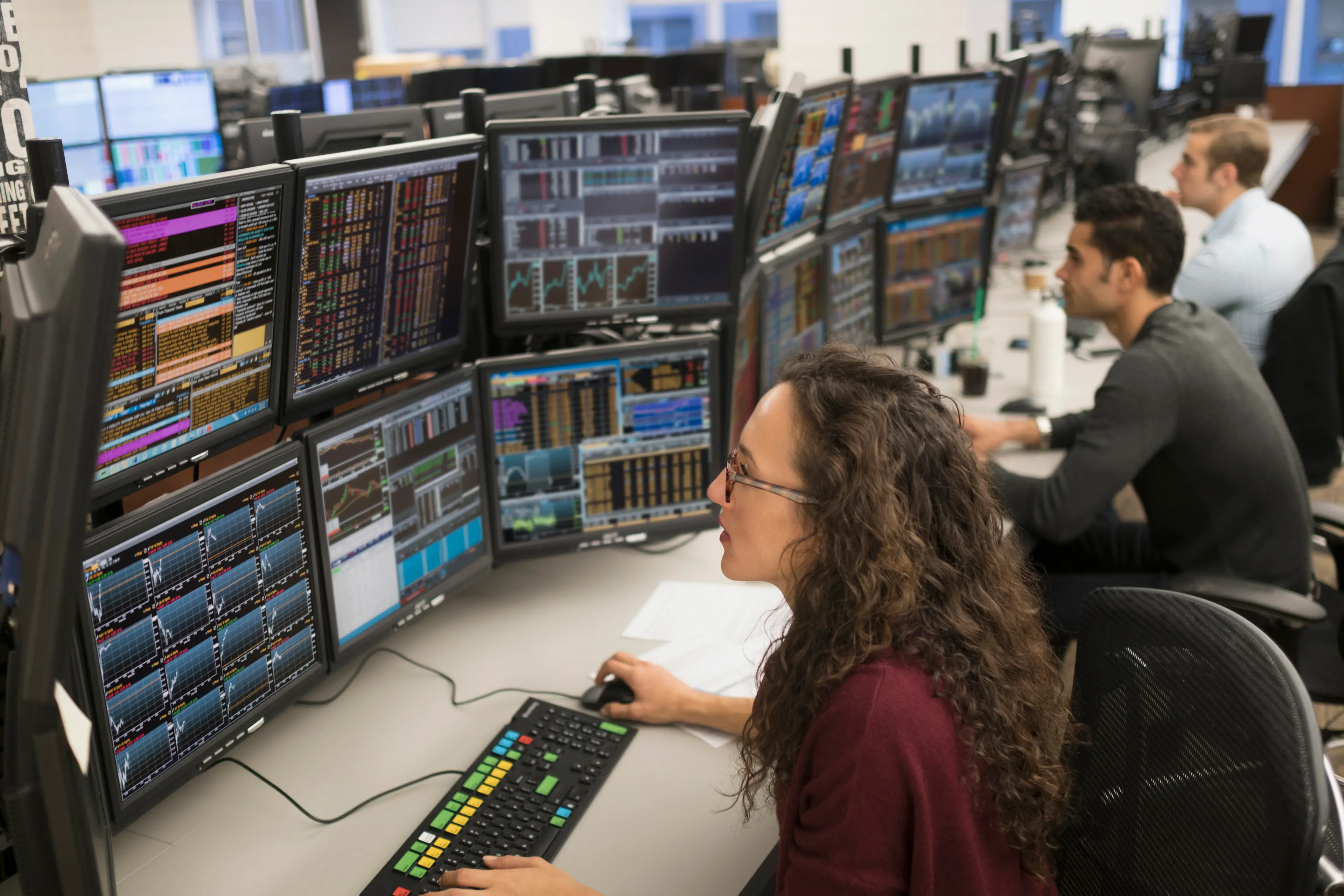
Trevor Houston, CEO at ClearPath Wealth Strategies told the Independent that 'AI isn’t coming; it’s already here,' and explained: “This year, we’re seeing it very much taking over a lot of jobs that are repetitive and process-oriented.
"Everything from customer service, administrative assistants, some marketing jobs [and] some finance jobs. In areas where processes are predictable, AI is moving in very quickly.”
Over the next nine years, experts at Goldman Sachs believe that up to seven percent of all jobs in America will be made obsolete by the artificial intelligence revolution, with some disappearing completely into the annals of history.
In fact, only three professions in particular are believed to be actually safe from the current technological revolution. The first and largest of these is, of course, nursing. After all, you wouldn't leave your grandma's care to an unfeeling robot.
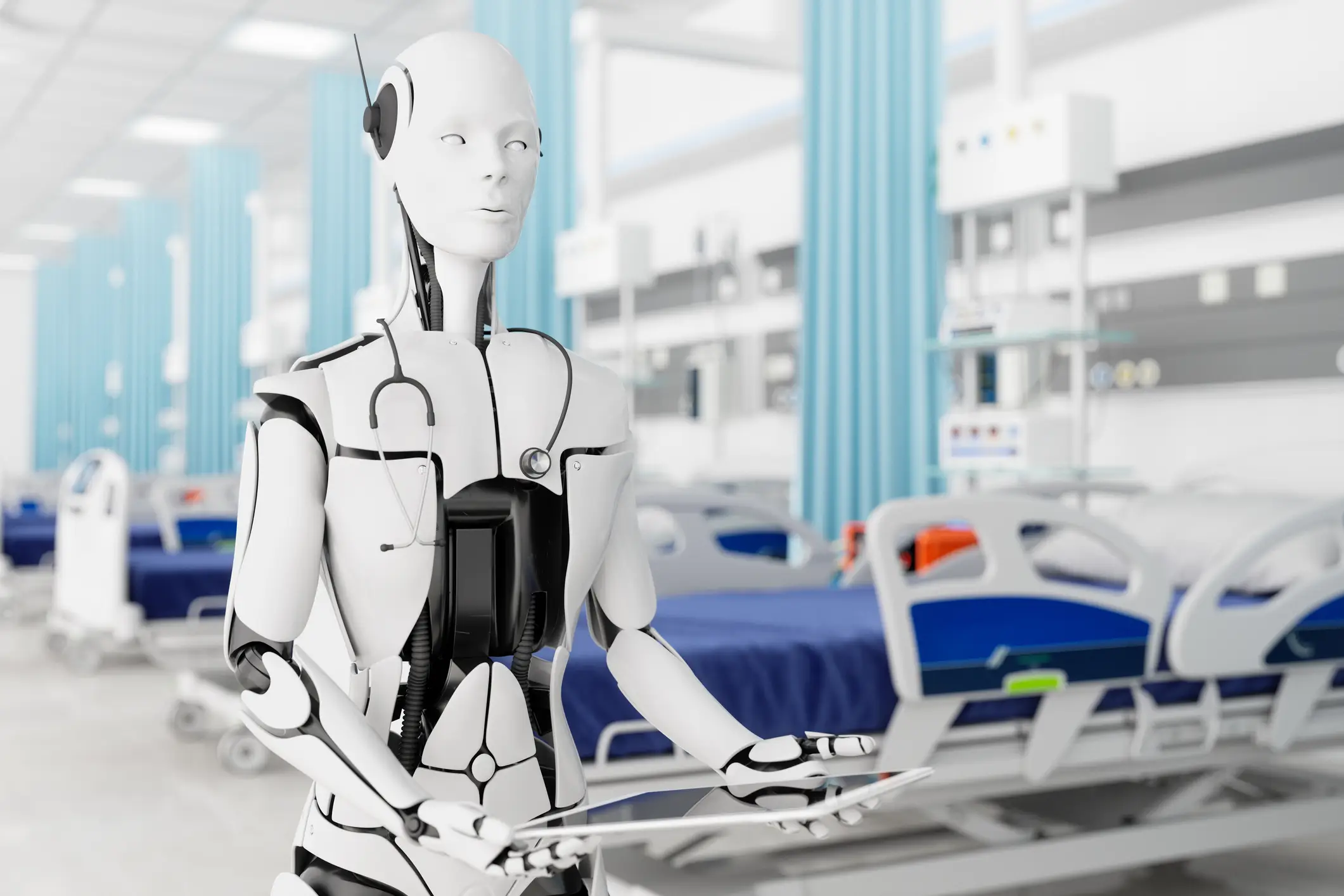
This was established by a 2024 study in Women's Health Nursing, which pointed out that the key responsibilities of a nurse are in areas where AI often falls flat, or would simply not work. Like making ethical decisions on the spot about a patient's treatment, or simply dealing with the complexity of human emotion.
Researcher Hae-Kyung Jo said: “No matter how advanced and intelligent AI becomes, it cannot replace the core aspect of nursing, which is the care that necessitates human emotions and judgments.
“AI lacks the capacity to embrace the nursing philosophy that is grounded in human dignity and cannot be held accountable for its actions.”
It is not just caring professions that are considered safe from the AI revolution either, with the second job that this new technology cannot replace being the skilled professions, like plumbers, electricians and HVAC repairers.
With robots still at the stage where we are impressed when they manage to stay upright, not only are they unable to climb into an attic or put up a wall, but they are unlikely to replace a trained an experienced repair technician.
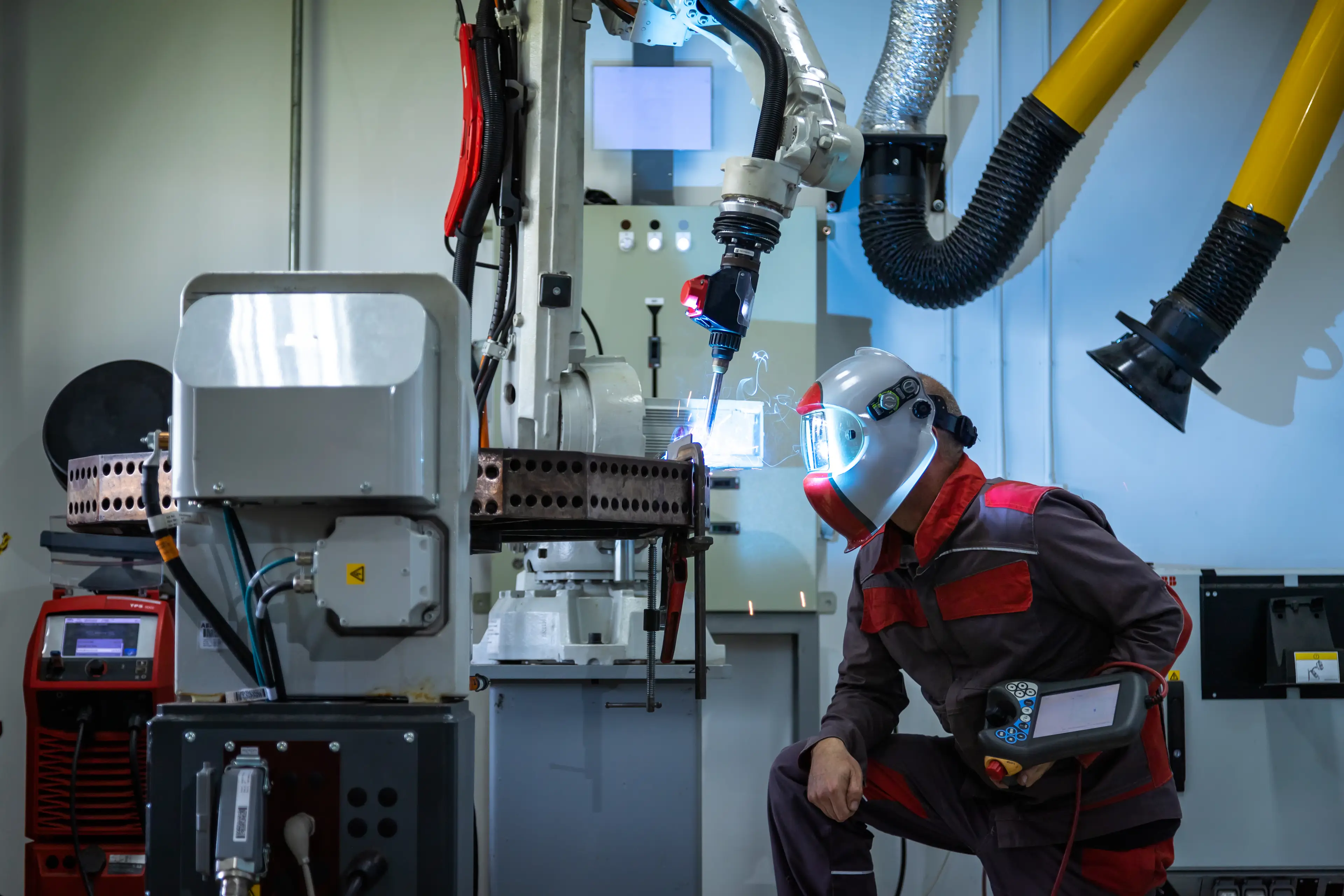
“A lot of trades need … hand-eye coordination, dexterity, and flexibility, such as an electrician or a plumber,” the Independent reports Utah-based All Trades Staffing Services writing. “Robots … don’t have the required dexterity or motor controls for this kind of work.”
The third job that artificial intelligence will struggle to replace is much more nebulous than nursing or the trades, with crisis managers also considered safe from the technological revolution.
This is, in part, because of the necessity for someone to be held responsible and to understand the human context of a problem, something that cannot be left to a string of 1s and 0s.
That is not to say that AI would not be of use when creating an action plan in response to a sudden crisis, or in creating analysis of the issue, but that in a difficult time-sensitive crisis, humans will always need a human to have the final say.
So while the new world 'struggles to be born', seek out a career in nursing, the trades, or in crisis management, if you want to have a future-proof profession.
Topics: Jobs, Technology, Artificial Intelligence
 William Morgan