All the brutal health tests stranded astronauts will now go through after being stuck in space for nine months

Barry ‘Butch’ Wilmore, Sunita ‘Suni’ Williams and two other astronauts are set to embark on a 45-day rehabilitation regime after returning to Earth after a lengthy stay on the International Space Station (ISS).
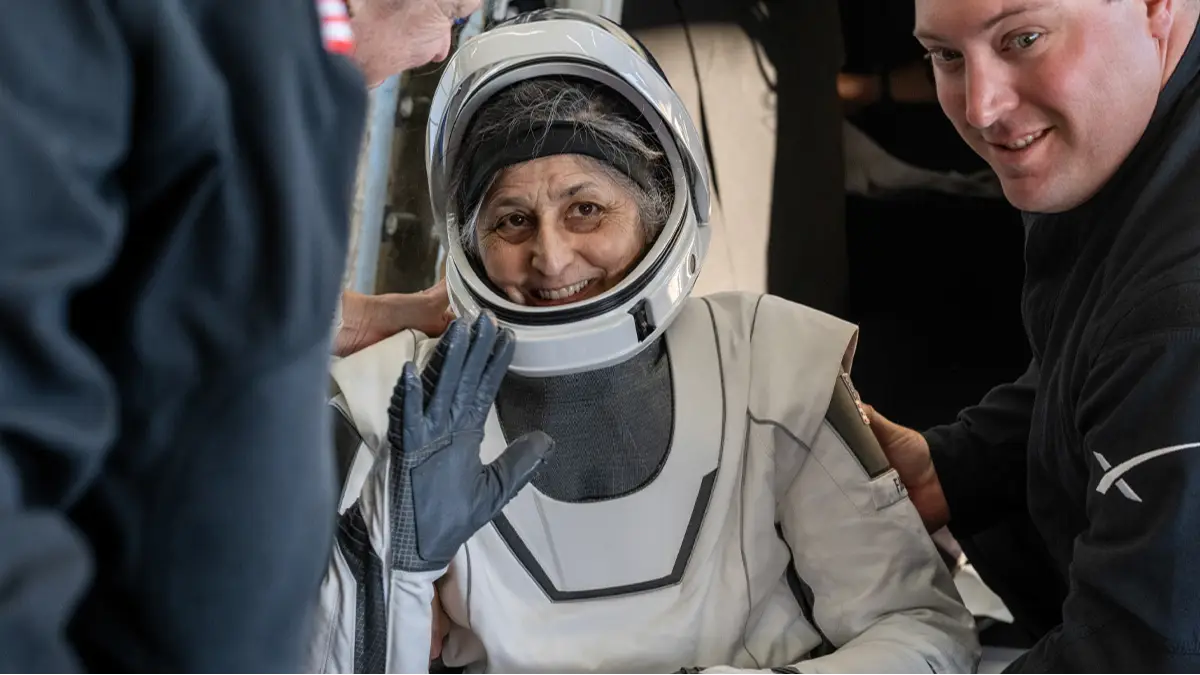
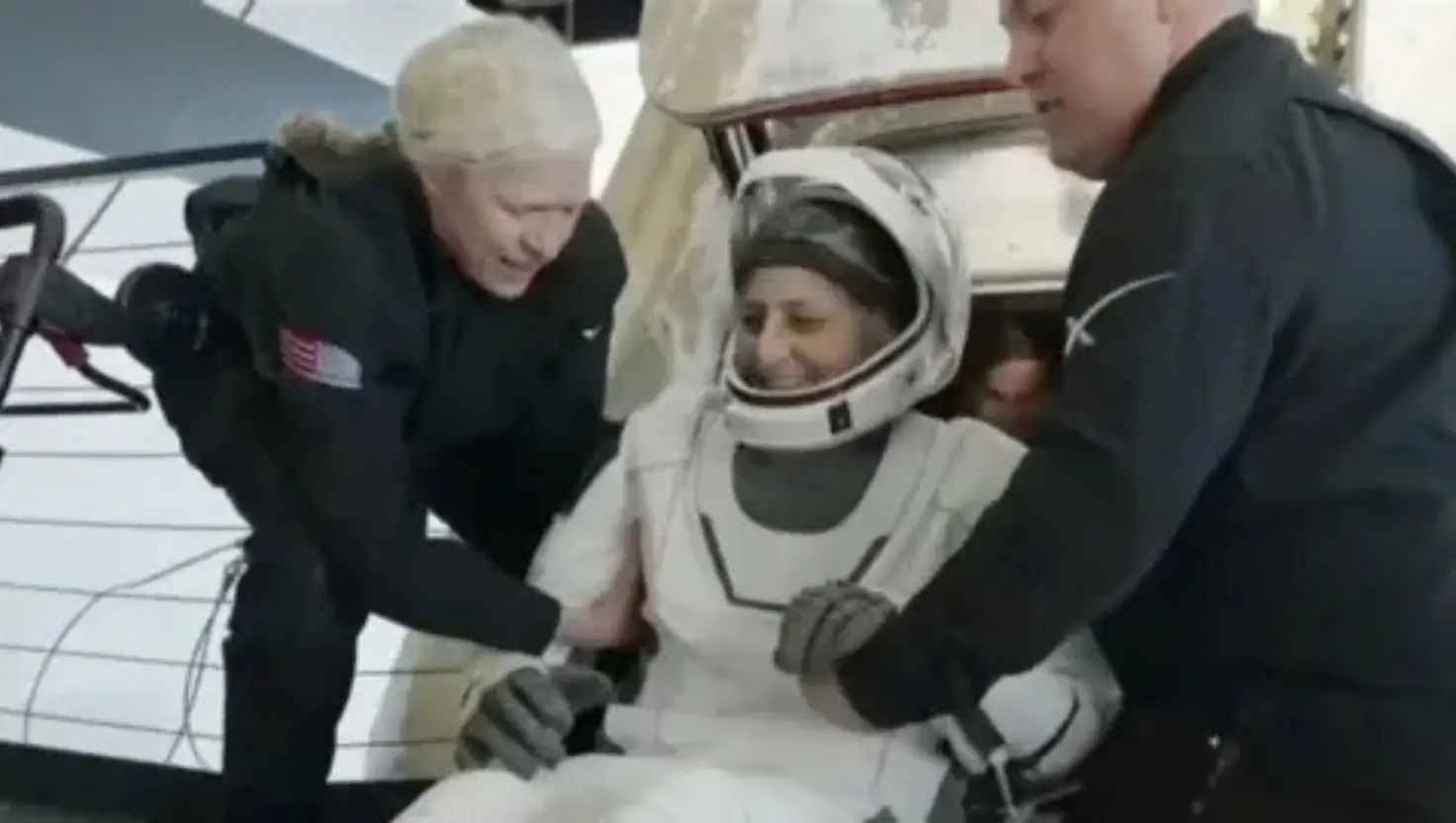
On Tuesday (March 18), 62-year-old Butch and 59-year-old Suni splashed down in a SpaceX Crew Dragon capsule off the coast of Tallahassee, Florida.
The pair, who spent a total of 286 days onboard the ISS, were joined by NASA astronaut Nick Hague and Roscosmos cosmonaut Aleksandr Gorbunov in Elon Musk’s vessel.
Advert
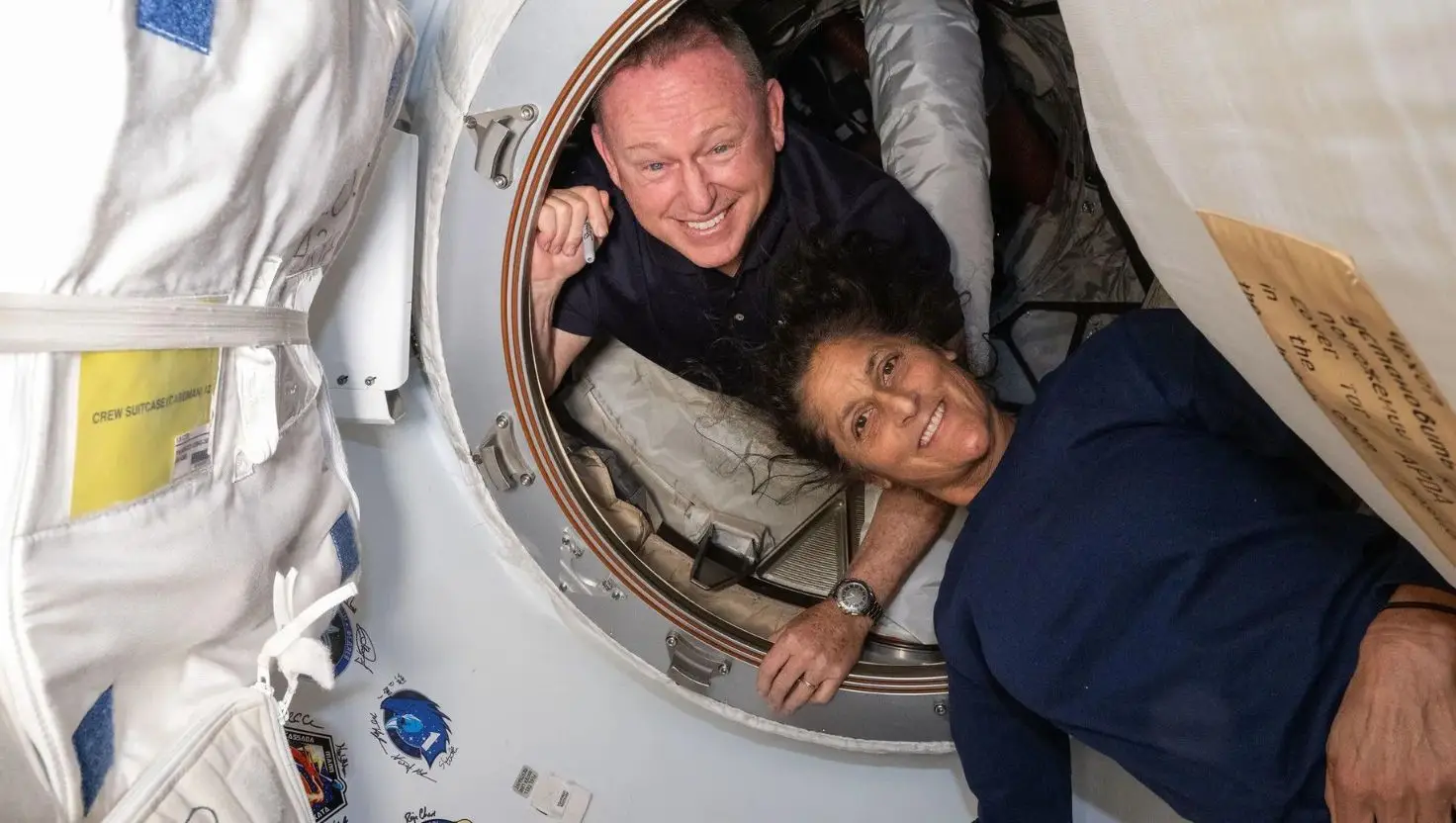
Butch and Suni set off from Earth on what was initially supposed to be an eight-day mission in a Boeing Starliner capsule. However, the pair were ‘stranded’ onboard the orbiting research station after their rocket suffered major technical issues, deeming it unsafe.
Now that the quartet are finally back on Earth, they may experience a myriad of health issues, ranging from weak bones to vision issues, according to TODAY.com.
According to Dr John Jaquish, a biomedical engineer, this is because the human body needs the Earth’s gravitational pull. Without it, a lot of things can cease functioning correctly.
More health complications Suni, Butch, Hague and Gorbunov may face after spending nine months onboard the ISS include muscle loss, changes to their heart and even experience nausea upon returning to the planet.
After his long stay on the ISS, NASA astronaut Woody Hoburg said: "I remember that first time attempting to walk, it almost felt like my legs were not attached to me.”
After undergoing a thorough medical exam at Nasas Lyndon B. Johnson Space Center in Houston, the astronauts will enter a brutal rehab regime at The Astronaut Strength, Conditioning and Rehabilitation (ASCR), according to a directive published in 2003.
For 45 days, each space explorer will go through the motions of readjusting to life on Earth, first taking part in low-intensity exercise and light physical therapy for around two hours per day.
After working with experts to focus on improving their ambulation, and flexibility while strengthening their muscles, the quartet will add proprioceptive exercise and cardiovascular conditioning into their routines.
Lunges, single-leg balances and squats are all examples of proprioceptive exercise, while cardiovascular conditioning focuses on improving the lungs’ ability to deliver oxygen to the body and improve overall health.
Activity examples include walking, cycling, swimming and even High-Intensity Interval Training (HIIT). After ticking boxes on the first two phases, each astronaut will then move on to phase three: prioritizing functional development.
Each program is tailored specifically for each individual—so if you can’t swim, you won’t be forced to get into the pool. And, of course, some crew members may need a longer rehabilitation period than the initial 45 days.
Once the team pass out of rehab, it's likely they will return to work or be granted a deserved leave of absence.
Topics: NASA, Space X, International Space Station, Health, Space, US News
 Ella Scott