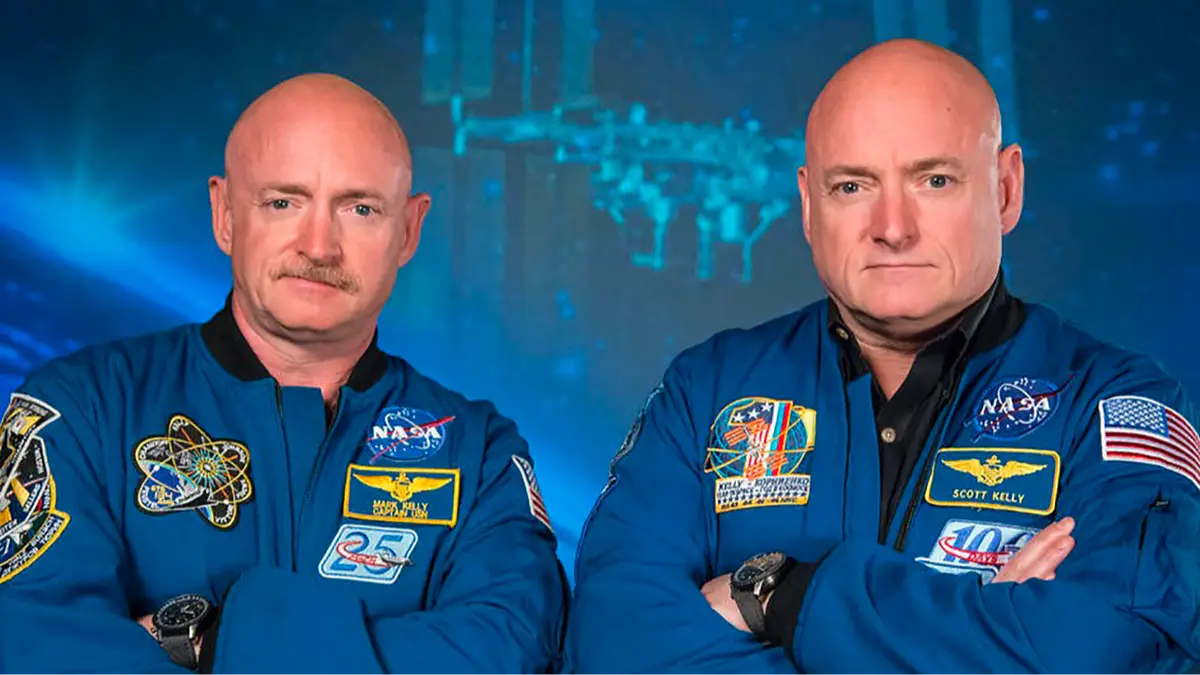
Identical twin sent to space to see the effect it has on the human body and the results are baffling

In 2015, an identical twin was sent into space as experts examined the effects of such a mission on the human body.
While space travel has achieved some remarkable things, there's always a stone left untouched.
And while simulations can give an idea of what could happen if an astronaut stepped outside a spacecraft, or any other terrifying situations the mind can conjure up, there's a lot on the very real impact that being in space can have on the body.
Advert
Various trips have provided insight into how much can change after six months on board the International Space Station (ISS); there's little information regarding extended stays, something that two NASA astronauts all but experienced recently.
A 'landmark' study involving Scott and Mark Kelly, a pair of twins who were both astronauts, provided further insight into the effects of longer periods in space on humans.
As part of the research known as the 'Twins Study', Scott headed into space for an almost year-long mission to the ISS a decade ago, while Mark stayed on the ground to provide a baseline example of measurements from Earth.
Because the twins share the same genetic makeup, the researchers were able to determine what changes took place in response to the environment around each participant.
Scott spent one year in space, after which ten research teams from around the country looked into the physiological, molecular and cognitive changes that took place.
What they discovered was truly astonishing.
Height
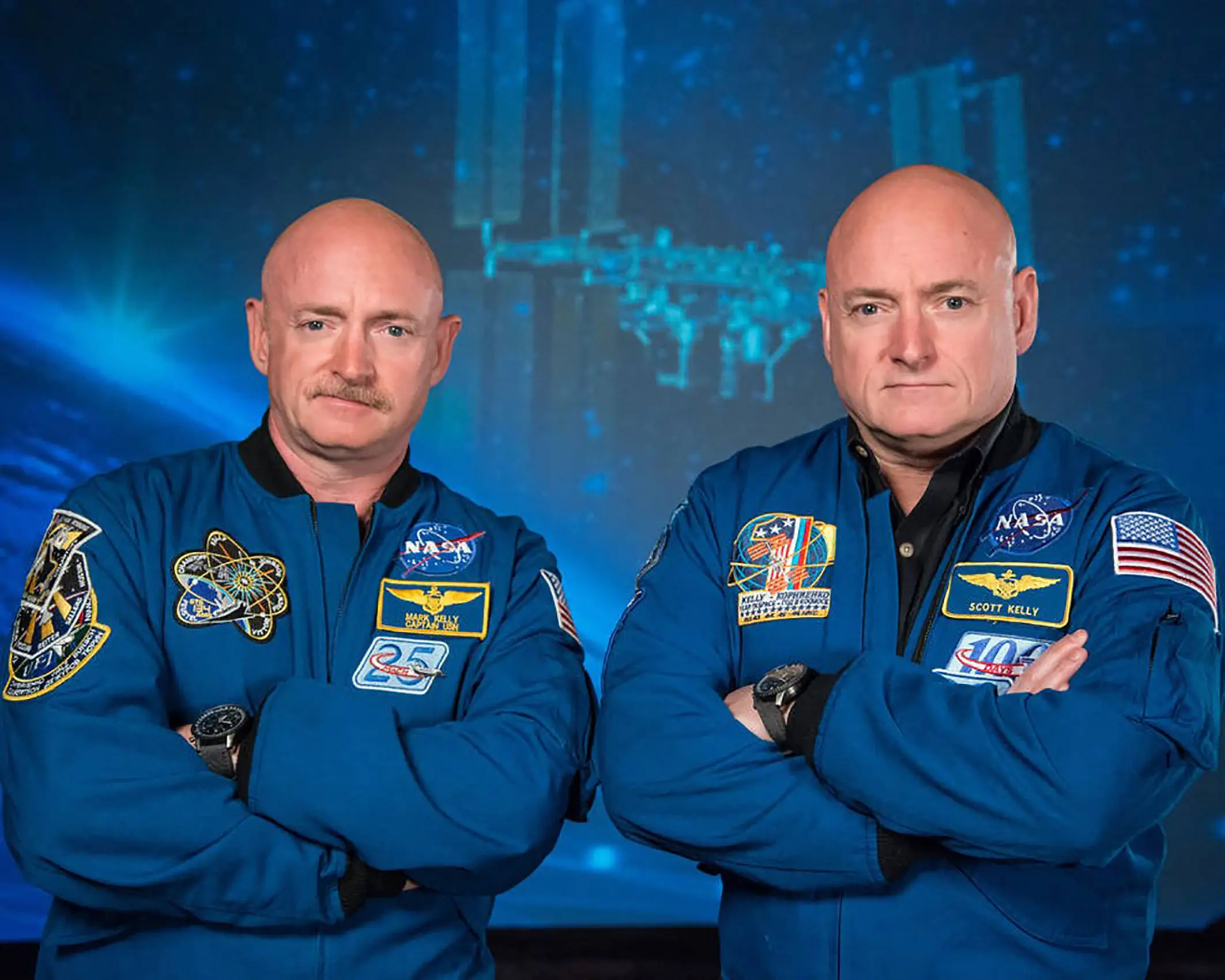
After having been identical for most of their lives, Scott and Mark faced some changes upon Scott's return, as he was suddenly 5cm taller.
His increased height came about as a result of the lack of gravity in space. On board the International Space Station, the microgravity makes the spine longer, allowing Scott to tower (slightly) over his brother.
Health and weight changes
Scott's body mass was found to decrease by seven per cent during his year in space; a change likely caused by increased exercise and controlled nutrition while on his mission.
Meanwhile, Mark gained four percent body mass.
During the first six months of his time in space, Scott's bone breakdown and bone reformation cycle occurred at a faster rate than the second six months, when his exercise volume was lower.
The amount of vitamin B-9 in Scott's system also went up during the trip, likely due to better food choices, and showed a correlation with his telomere dynamics - which is discussed further next...
DNA and genes
NASA explains that the end of each strand of DNA has special features called telomeres, which work to protect our chromosomes.
As we age, these telomeres tend to get shorter, though lifestyle factors, stresses and environmental exposures can affect the rate at which the shortening occurs.
The researchers noted that Scott not only experienced a change in telomere length dynamics during his spaceflight, but also within days of landing.
The correlation between the telomere changes and Scott's vitamin B-9 levels backs the notion that nutrition plays an important role in all aspects of health, both in space and on Earth.
Other changes were found in Scott's gene expression, some of which continued more than six months after his return to Earth.
Some of the DNA damage observed is believed to be a result of radiation exposure, but the observation of his changing gene expression helped inform researchers about how the human body was able to adapt to the extreme environment of space.
Changes to the eyes
One of the strangest results of Scott's time in space was the changing shape of his eyeballs and impacts to his vision.
While Scott was in space, scientists found that a protein called AQP2 was elevated in Scott compared with Mark. AQP2 regulates water reabsorption in the body and is an indicator of hydration or dehydration status, helping explain why astronauts can experience vision problems during spaceflight.
Cognitive changes
For the most part, Scott's cognitive performance, including his mental alertness, spatial orientation and recognition of emotions, was largely unchanged during his time in space, indicating astronauts can maintain high levels of cognitive performance for longer durations while up among the stars.
However, researchers did note a decrease in speed and accuracy after he landed, which persisted for six months.
It's thought these changes may have been due to the adjustment to Earth's gravity and re-exposure to the atmosphere, as well as Scott's busy schedule upon landing.
Many of the effects Scott experienced due to the spaceflight, including 91.3% of his gene activity-level changes, went back to normal within six months of his return, but there was a small percentage that did not revert.
As well as teaching NASA more about the impacts of space travel, the findings from the Twins Study could be useful for developing new treatments and preventative measures for stress-related health risks on Earth.
 Callum Jones