How US Space Force used new laser weapons in Iran attack as shocking footage is released

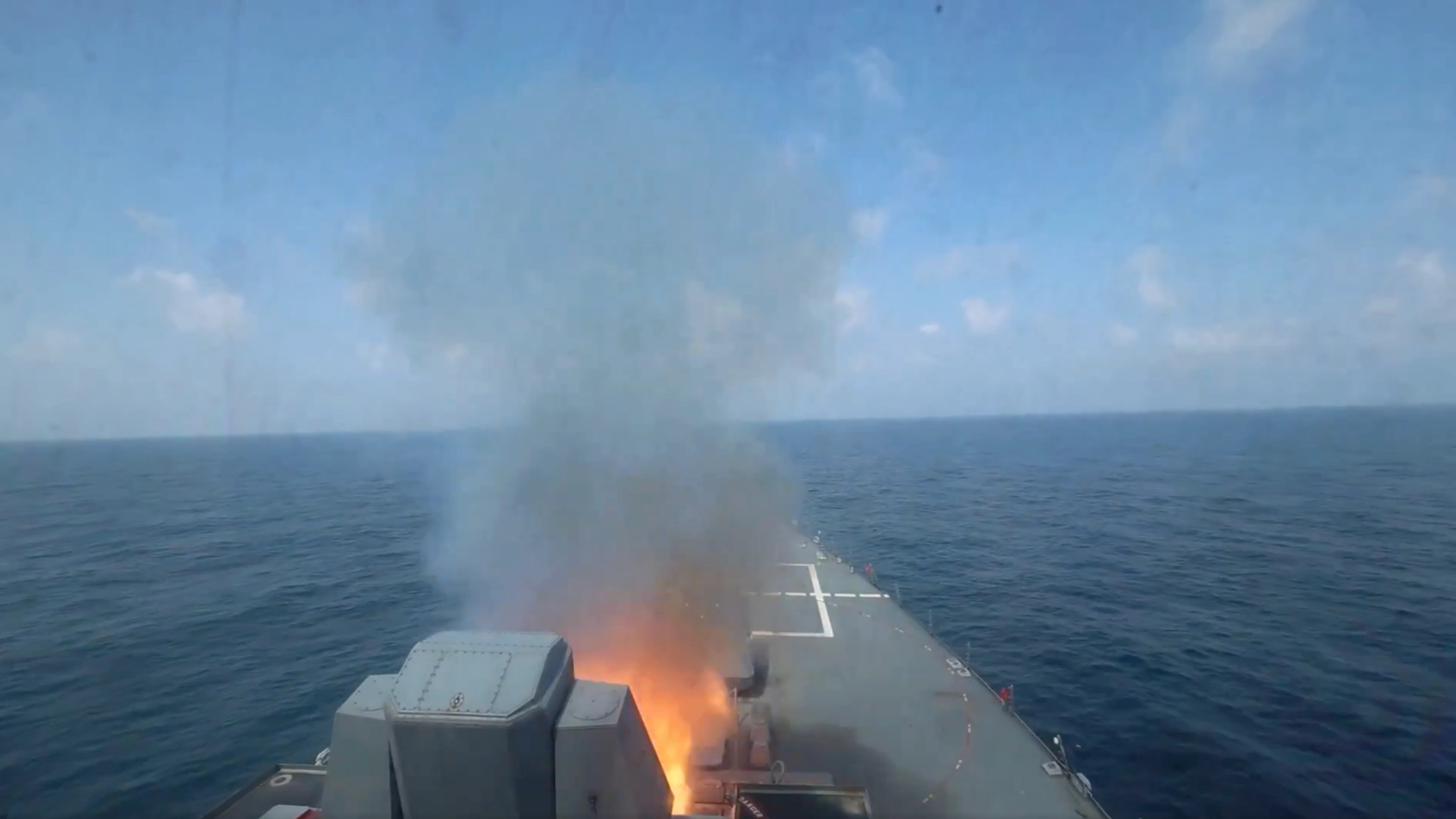
The US used a new laser weapon system as part of the wave of strikes it has carried out against Iran.
US and Israeli forces have carried out a series of strikes against Iran, with Iranian Supreme Leader Ayatollah Ali Khamenei confirmed to have been killed.
The US and Israel attacked Iran after negotiations about the country's nuclear program failed to reach an agreement.
Iran has since retaliated with missile and drone strikes aimed at Israel and neighbouring middle-eastern countries where there are US military bases.
Advert
Among the military hardware the US has deployed is the HELIOS system, which stands for High-Energy Laser with Integrated Optical Dazzler and Surveillance.
Footage released by the US Central Command on X shows the weapon system on a US Navy vessel.
The HELIOS system, named after the Greek god of the Sun, is designed to intercept drones and missiles before they can hit their target.
Speaking to the New York Post, Brent David Ziarnick, former professor in the Space Force program at Johns Hopkins University who is also a retired US Air Force officer, explained that satellites can also be used to detect when an attack has been launched.
He said: “They can spot the missiles and pinpoint where the launchers are. The missiles can be intercepted and destroyed [often with Patriot missiles].
"Field forces get notified that an attack is coming, so they can go to shelters or bunkers.”
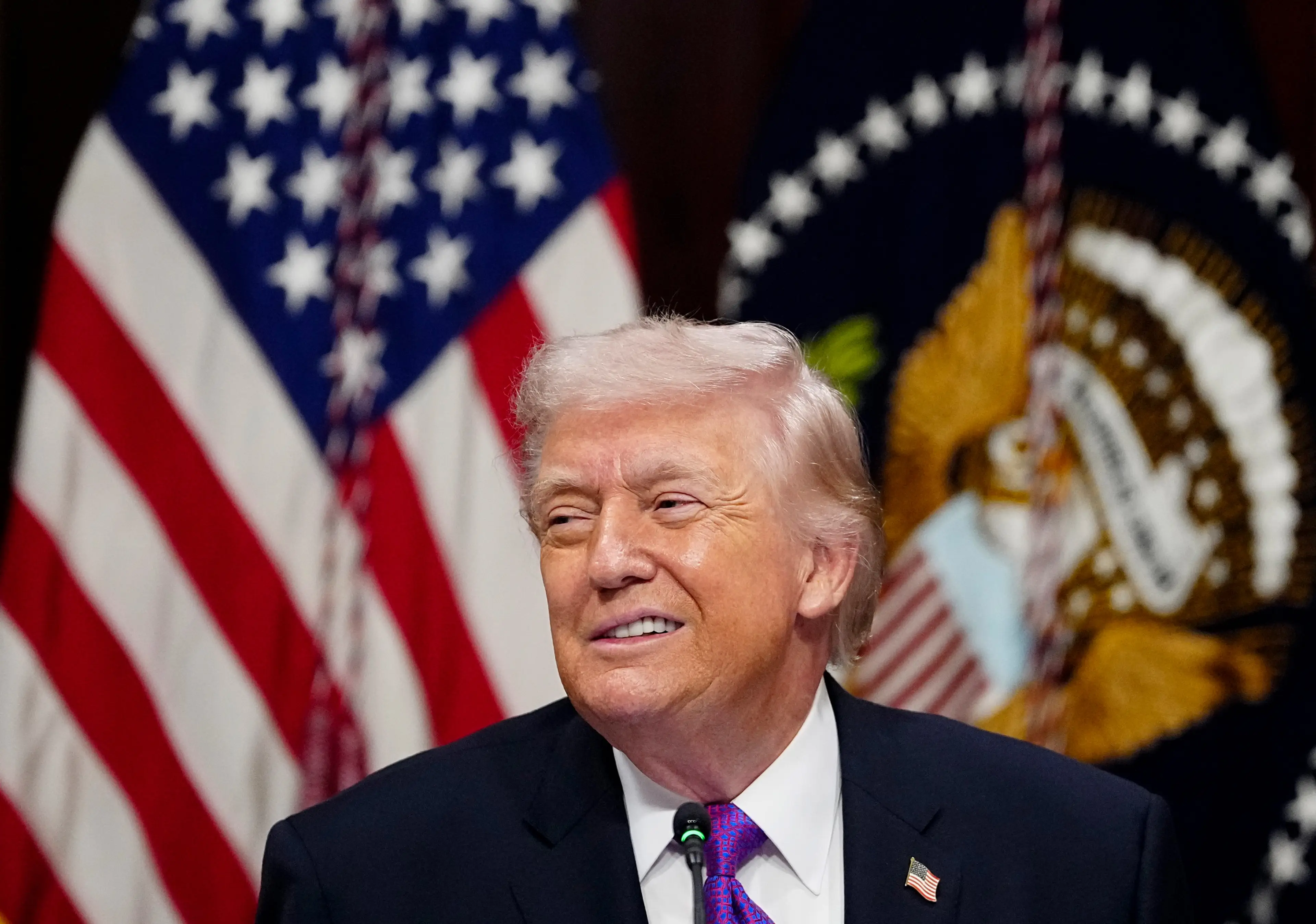
Since launching the way, Donald Trump has said there will be no deal with Iran 'except unconditional surrender'.
Meanwhile, Israel has also launched strikes against Beirut in Lebanon, with Lebanese health officials saying that 217 people have been killed in Israeli attacks on Beirut, according to Reuters.
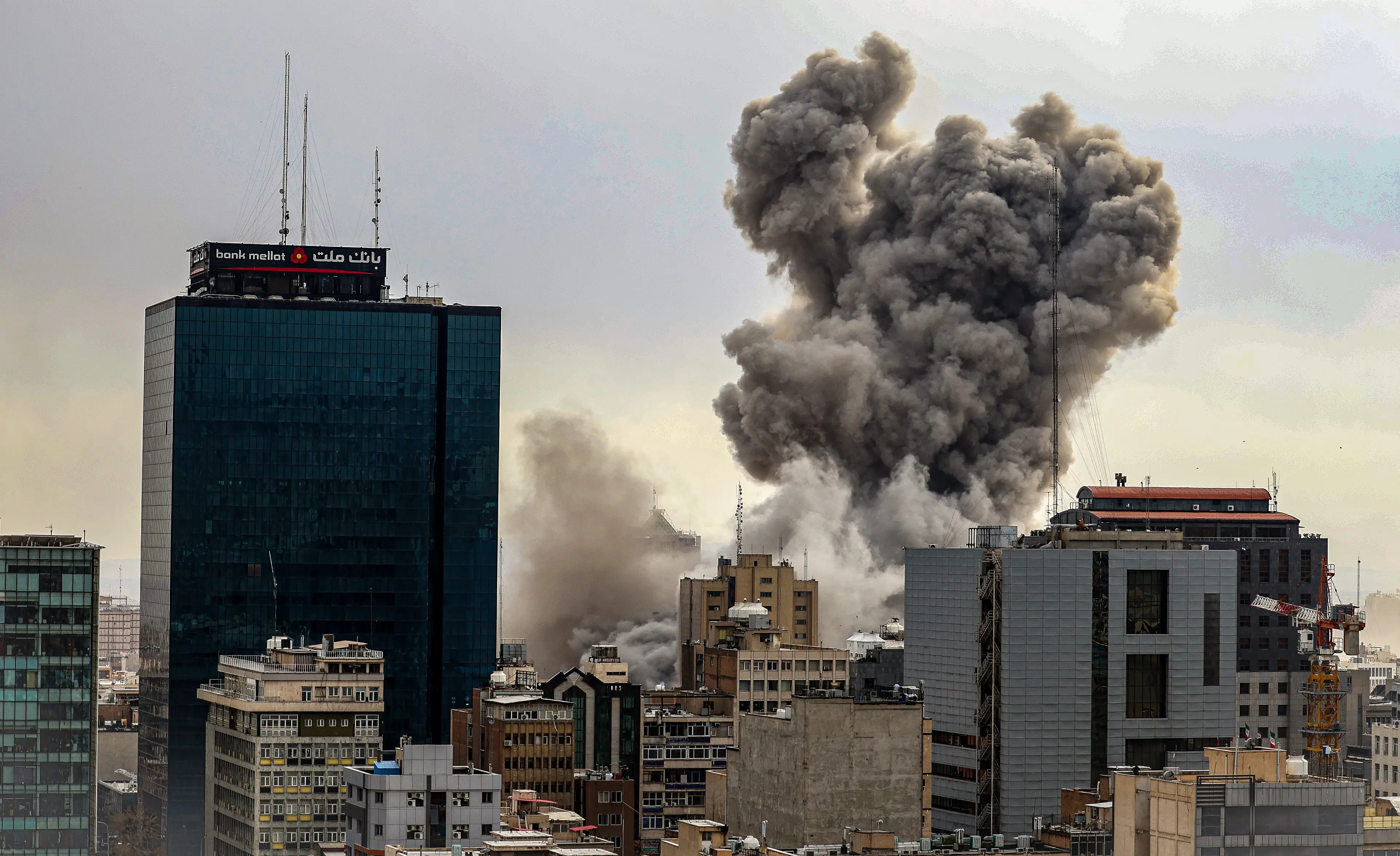
In Iran, 168 children and teachers have been confirmed to have been killed in a strike which hit a school in Minab in southern Iran, and Pentagon chief Pete Hegseth has confirmed that the US is investigating.
While responsibility for the attack has not yet been confirmed, The Guardian has reported that US military investigators have suggested that evidence currently suggests it was a US strike.
The war has been met with widespread opposition around the world, including from Spain's prime minister Pedro Sanchéz, who condemned US military action.
In a speech, Sanchez said: "The government's position can be summed up in four words: No to war."
He said 'four words' because in Spanish 'no to war' is 'no a la guerra'
Sanchéz added: "The question is not if we are on the side of the ayatollahs - nobody is. The question is whether we are in favour of peace and international legality."
Topics: News, US News, World News, Iran, Technology
 Kit Roberts