unilad homepage
  • News
    • UK News
    • US News
    • World News
    • Crime
    • Health
    • Money
    • Sport
    • Travel
  • Film and TV
    • Netflix
  • Music
  • Tech
  • Features
  • Celebrity
  • Politics
  • Advertise
  • Terms
  • Privacy & Cookies
  • LADbible Group
  • LADbible
  • SPORTbible
  • GAMINGbible
  • Tyla
  • UNILAD Tech
  • FOODbible
  • License Our Content
  • About Us & Contact
  • Jobs
  • Latest
  • Archive
  • Topics A-Z
  • Authors
Facebook
Instagram
X
Threads
TikTok
YouTube
Submit Your Content
Over 60 sacrificed children discovered at popular ancient Mayan city Chichén Itzá

Home> News> World News

Updated 20:57 13 Jun 2024 GMT+1Published 20:32 13 Jun 2024 GMT+1

Over 60 sacrificed children discovered at popular ancient Mayan city Chichén Itzá

New research has given some clues to the identities of some of the young people sacrificed in the Mayan times

Niamh Shackleton

Niamh Shackleton

google discoverFollow us on Google Discover
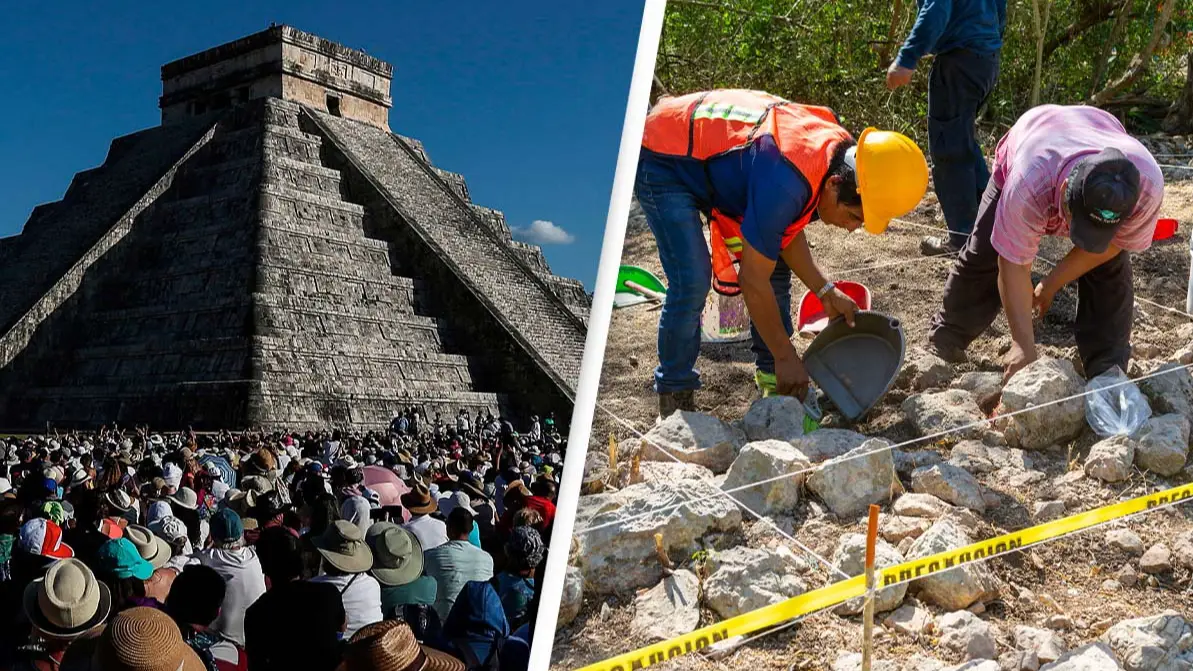
Featured Image Credit: HUGO BORGES/AFP via Getty Images / Geography Photos/Universal Images Group via Getty Images

Topics: History, Science, News, Mexico

Niamh Shackleton
Niamh Shackleton

Niamh Shackleton is an experienced journalist for UNILAD, specialising in topics including mental health and showbiz, as well as anything Henry Cavill and cat related. She has previously worked for OK! Magazine, Caters and Kennedy.

X

@niamhshackleton

Advert

Advert

Advert

Researchers have analyzed the remains that were discovered in at a mass burial site to make a dark discovery.

In 1967, builders were in the process of constructing an airstrip near the ancient Mayan city of Chichén Itzá - located in Yucatan, Mexico - when they accidentally came across a mass grave containing the scattered bones of over 100 children.

Sacrifice was a huge part of the Mayan's religion, including the sacrifice of children's lives.

Advert

It's said that Maya priests in the city of Chichén Itzá sacrificed kids to petition the gods for rain and fertile fields by throwing them into sacred sinkhole caves.

"It was thought that the gods preferred small things and especially the rain god had four helpers that were represented as tiny people," Archeologist Guillermo de Anda from the University of Yucatan told Reuters in 2008.

"So the children were offered as a way to directly communicate with Chaac."

And now, several decades on from the remains being discovered at Chichén Itzá, scientists have retrieved and analyzed the DNA of 64 of the 106 children discovered in the 60s.
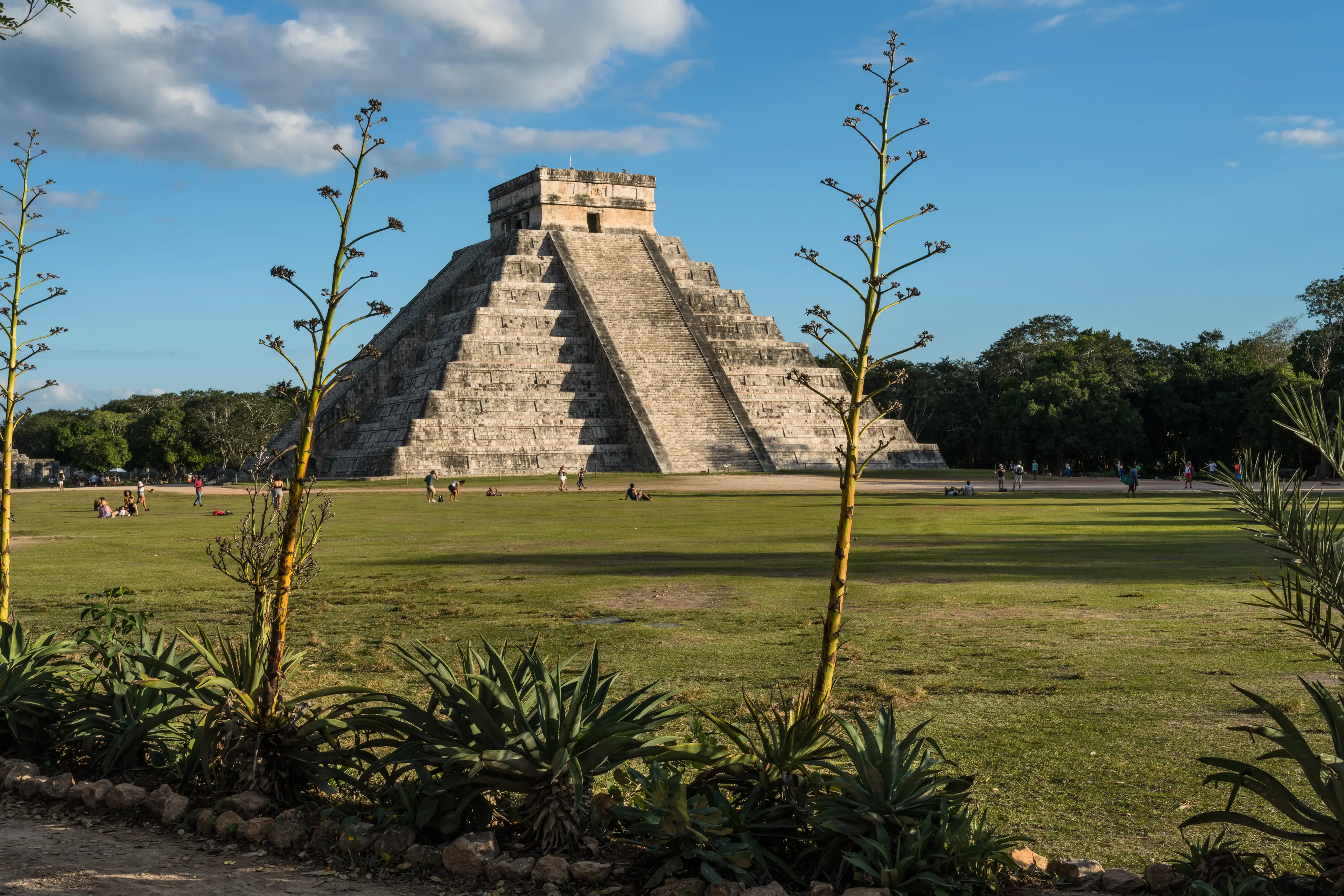
The ruins of the great Mayan city of Chichen Itza. (Jon G. Fuller/VW PICS/Universal Images Group via Getty Images)

Of the 64 children, all of them were found to be male. Meanwhile, 25 percent were closely related to at least one other person within the chultun - this included two sets of identical twins.

The study, which was published on June 12, explained: "Genetic analyses showed that all analysed individuals were male and several individuals were closely related, including two pairs of monozygotic twins."

Going on to note the significance of the discovery of the twins in particular, the study continued: "Twins feature prominently in Mayan and broader Mesoamerican mythology, where they embody qualities of duality among deities and heroes, but until now they had not been identified in ancient Mayan mortuary contexts."
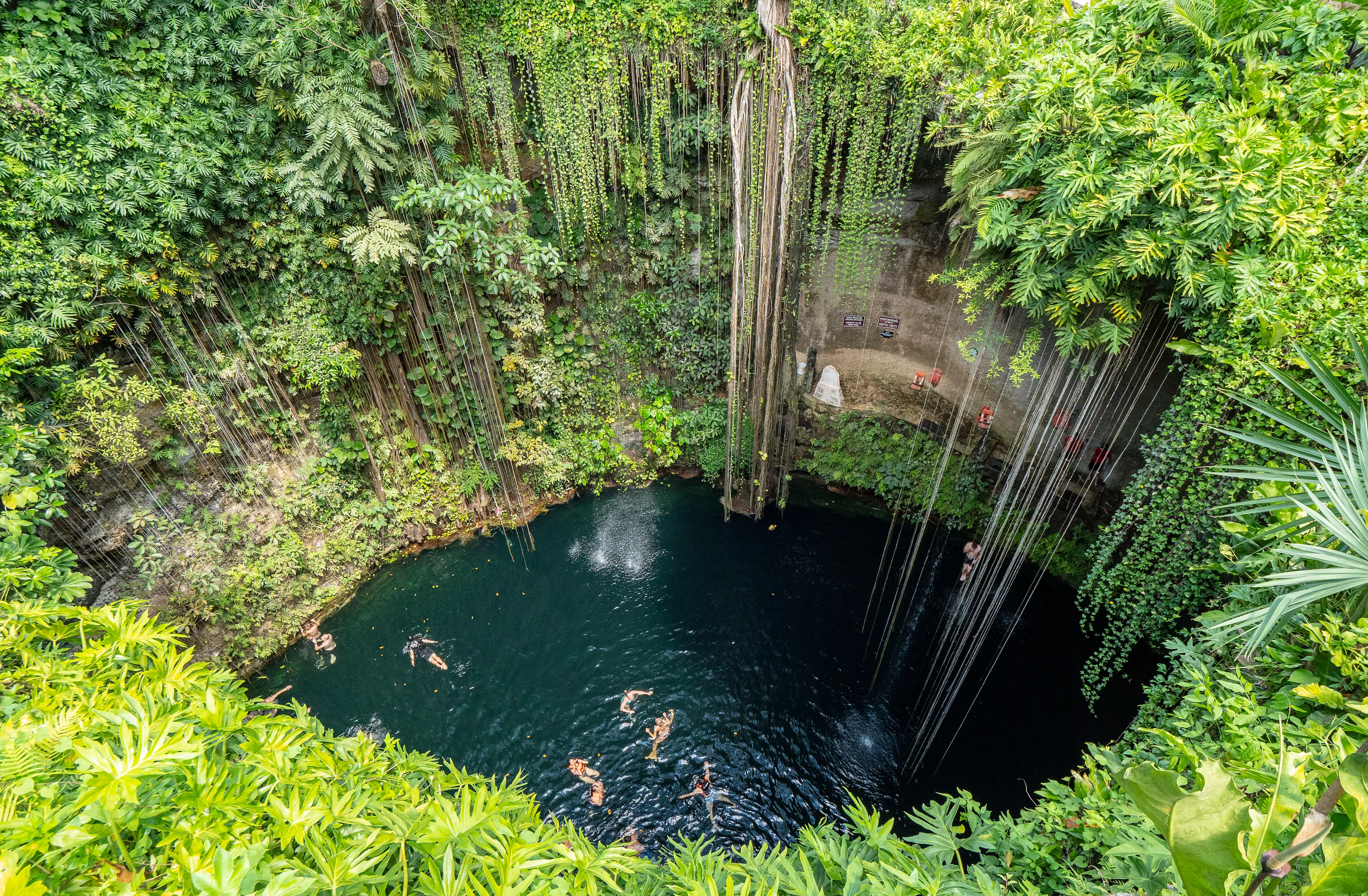
Sarcrificed people were often thrown into cenotes like this one near Chichén Itzá. (Donald Miralle/Getty Images for Lumix)

One myth in particular is 'Popol Vuh', where the researchers write that 'the twins Hun Hunapu and Vucub Hunahpu descend into the underworld and are sacrificed by the gods following defeat in a ballgame', before a second set of twins are born to avenge them by 'undergoing repeated cycles of sacrifice and resurrection to outwit the gods of the underworld'.

The bones that were analyzed are thought to date back between the 7th and 12th centuries.

Giving further insight into the people who were sacrificed, some of those found to be related to one another shared the same diet, suggesting that they will have lived together.

In regards to the ages of those who died, half of the remains were said to be the bodies of boys aged between three and six years old.

They all died over a 500-year period.

Choose your content:

3 hours ago
4 hours ago
5 hours ago
  • Getty Stock Images
    3 hours ago

    11 cancers on the rise in under 50s as scientists claim they may have explanation

    There are 11 types of cancer that are increasing among people aged 20 to 49

    News
  • Getty Stock
    4 hours ago

    DEA warns of 'weapon grade' drug that is surging through US cities killing hundreds

    The drug is said to be 10,000 times stronger than morphine

    News
  • WDSU
    4 hours ago

    Breakthrough in 40-year-old Louisiana murder case as crime podcast uncovers evidence

    The case has finally been cracked more than four decades after the Louisiana teenager was murdered

    News
  • Getty Stock
    5 hours ago

    Doctor reveals biggest regrets she hears people say before they die

    Some of the regrets are bound to hit home for a lot of people

    News
  • Possible motive of gunman revealed after he opened fire on tourists at iconic Mexican pyramid site
  • MrBeast hits back at allegations he’s been ‘sued’ after being accused of exploiting Mayan pyramids in video
  • Scientists discover ancient DNA that could explain why some people live to be over 100
  • Scientists make groundbreaking discovery at 'underwater Stonehenge' that could rewrite human history