unilad homepage
unilad homepage
    • News
      • UK News
      • US News
      • World News
      • Crime
      • Health
      • Money
      • Sport
      • Travel
    • Music
    • Technology
    • Film and TV
      • News
      • DC Comics
      • Disney
      • Marvel
      • Netflix
    • Celebrity
    • Politics
    • Advertise
    • Terms
    • Privacy & Cookies
    • LADbible Group
    • LADbible
    • SPORTbible
    • GAMINGbible
    • Tyla
    • UNILAD Tech
    • FOODbible
    • License Our Content
    • About Us & Contact
    • Jobs
    • Latest
    • Archive
    • Topics A-Z
    • Authors
    Facebook
    Instagram
    X
    Threads
    TikTok
    YouTube
    Submit Your Content
    New study finds ancient DNA that could solve mystery of world's extinct lost race

    Home> News

    Published 17:17 15 Dec 2024 GMT

    New study finds ancient DNA that could solve mystery of world's extinct lost race

    The study has provided an interesting insight into what happened to humans and Neanderthals in Europe

    Callum Jones

    Callum Jones

    google discoverFollow us on Google Discover
    Featured Image Credit: Getty Stock Image/Tom Bjorklund for Max Planck Institute for Evolutionary Anthropology

    Topics: Science, News

    Callum Jones
    Callum Jones

    Advert

    Advert

    Advert

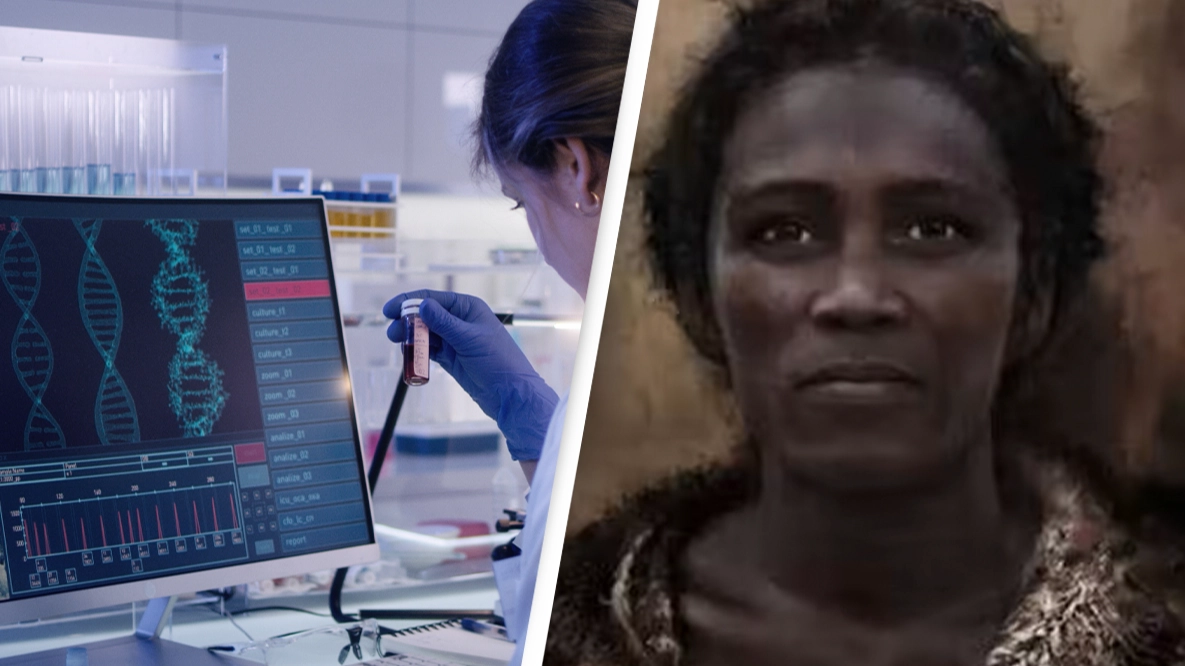
    A revolutionary study has found ancient DNA that could just solve the mystery of an extinct lost race.

    The study has lifted the lid on the role our Neanderthal cousins played in life as we see it today, and the findings may just see the history of modern humans having to be rewritten.

    The ancient human group made Europe their home more than 45,000 years ago, with the research revealing these humans were very much in few numbers - perhaps as low as 200, according to those involved with the study.

    Experts looked at remains from Germany's Ranis region, which detailed some close family bonds including a mother-daughter combo.

    Advert

    According to the BBC, it shows that humans and Neanderthals interbred, offering protection from some diseases, and other humans that didn't interbreed with Neanderthals died out.
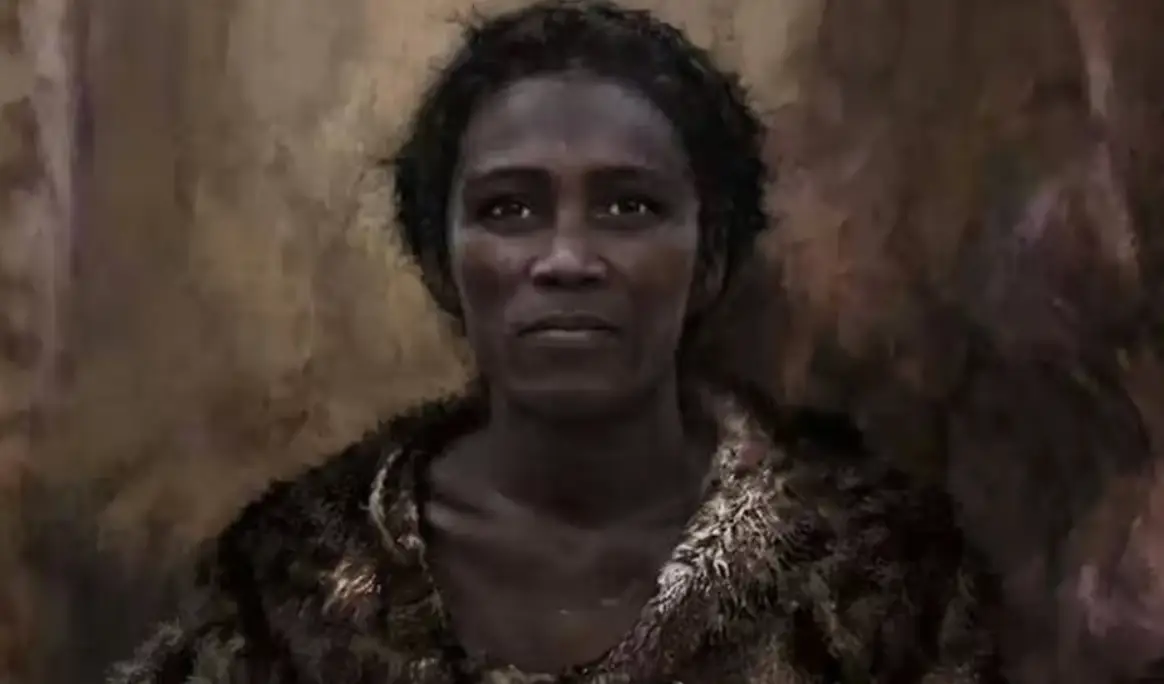
    The study looked at ancient DNA (Tom Bjorklund for Max Planck Institute for Evolutionary Anthropology)
    The study looked at ancient DNA (Tom Bjorklund for Max Planck Institute for Evolutionary Anthropology)

    Professor Johannes Krause, from Max Planck Institute of Evolutionary Biology in Germany and senior author of the study, told the BBC: "We see modern humans as a big story of success, coming out of Africa 60,000 years ago and expanding into all ecosystems to become the most successful mammal on the planet.

    "But early on we were not, we went extinct multiple times."

    These humans vanished from Europe around 40,000 years ago, which coincides with the Campanian Ignimbrite eruption, a disastrous volcanic event that likely wiped out humans and animals.

    "This is the oldest genome of modern humans, and it represents a lineage that no longer exists," Prof Krause added.

    "We believe all human groups in Europe at the time - including Neanderthals - went extinct, and none contributed to the genetic makeup of people alive today.

    "This genetic 'package' possibly explains why our species became so successful, ultimately growing to a global population of eight billion."
    The study may just rewrite modern human history (Getty Stock Photo)
    The study may just rewrite modern human history (Getty Stock Photo)

    After this catastrophic extinction event, the researchers believe Europe was repopulated after the ancestors of humans who had travelled further afield returned.

    Prof Krause added to the BBC: "Both humans and Neanderthals go extinct in Europe at this time. If we as a successful species died out in the region then it is not a big surprise that Neanderthals, who had an even smaller population went extinct."

    Meanwhile, Professor Chris Stringer from the Natural History Museum in London, offered an independent view on the findings.

    He said the study shows 'Neanderthals were very low in numbers' during their final days on our planet, and 'less genetically diverse' than their fellow human counterparts they lived alongside on Earth.

    Choose your content:

    6 hours ago
    13 hours ago
    • Roberto Schmidt/Getty Images
      6 hours ago

      Donald Trump responds to health critics with five-word assessment of himself

      The president, who turns 80 later this year, took aim at Joe Biden and Barack Obama while boasting about cognitive scores.

      News
    • ANDREW CABALLERO-REYNOLDS/AFP via Getty Images
      13 hours ago

      America's national debt is now bigger than the entire economy for the first time since WWII

      President Trump says the economy is doing great - but these figures tell a very different story

      News
    • Alex Wong/Getty Images
      13 hours ago

      Pokémon fans just spotted a clue there's a new monster inspired by Barack Obama

      Pokémon fans have bought together a hidden clue: A real-life sea slug and a former US president

      News
    • WREG
      13 hours ago

      Activist trying to infiltrate Epstein's island claims he was hogtied by locals in violent altercation

      Benjamin Owen is the founder of We Fight Monsters, a non-profit organization based in Memphis

      News
    • Scientists discover ancient DNA that could explain why some people live to be over 100
    • Experts find potential 'smoking-gun proof' that could finally solve Amelia Earhart mystery
    • New study finds common sex habit done by 69% of men could have horrific effect on brain function
    • Global study finds alarming rise of 6 types of cancer in young adults