
Everyone’s saying the same thing as new study reveals the exact age our brain actually peaks

A new study has found that we may actually be adolescent for longer than we realise.
A new study carried about researchers at the University of Cambridge have found that the brain goes through five distinct stages in life, with pivotal points at the following four ages: nine, 32, 66 and 83.
The study involved a large sample of about 4,000 people up to 90 years-old, who had scans to show the connections between their brain cells.
Scientists from the study showed that the human brain essentially stays in adolescent mode until we reach our earlier thirties.
Advert
At this point is where we are said to 'peak'.
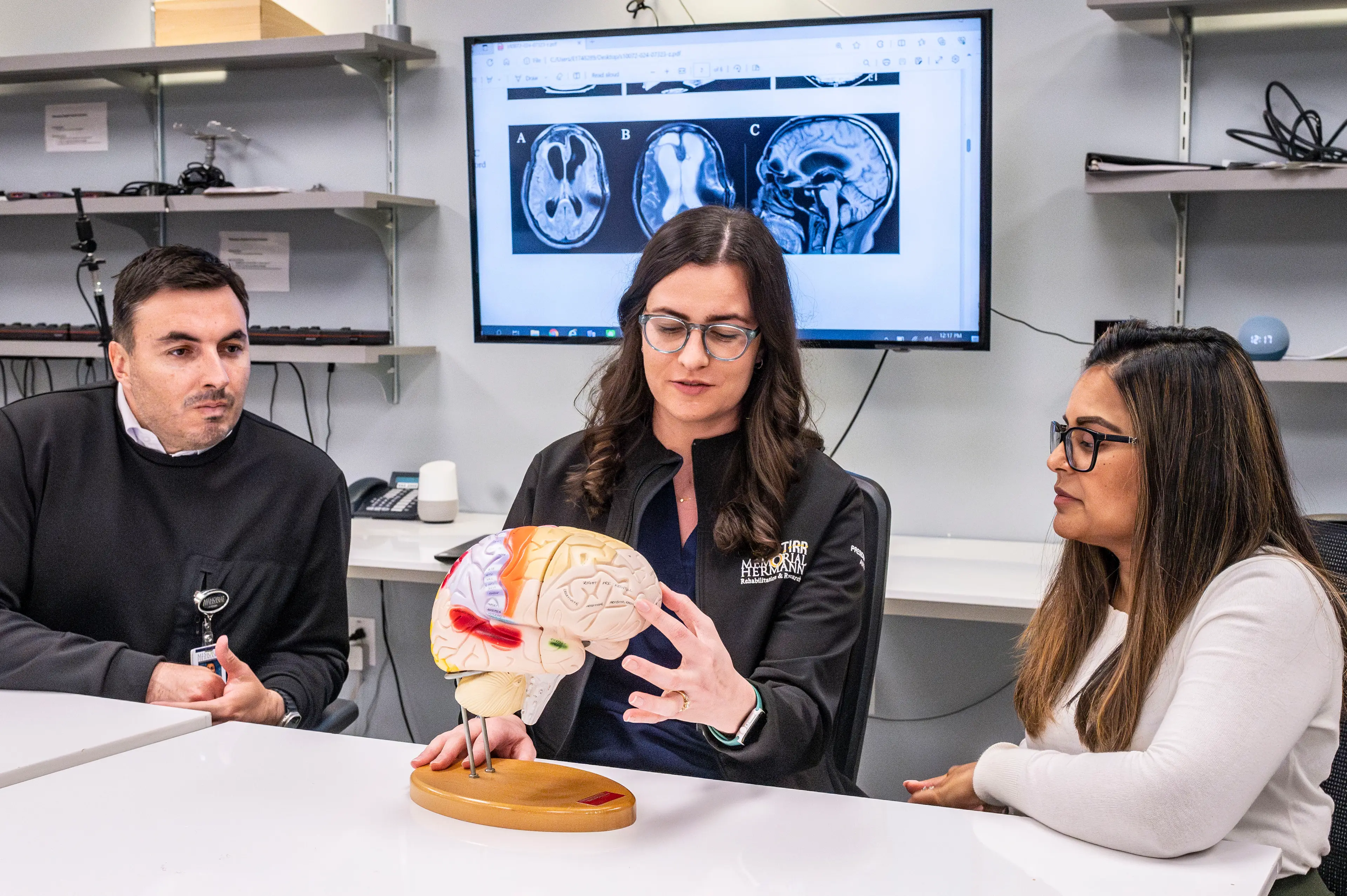
According the researchers, this information can be helpful in indicating why mental health disorders and dementia changes in risk throughout our life depending on age.
Lead author of the study, Dr Alexa Mousley, told the BBC: “The brain rewires across the lifespan. It's always strengthening and weakening connections and it's not one steady pattern - there are fluctuations and phases of brain rewiring."
The five stages of brain phases explained
The study clearly outlined five stages of brain phases.
Childhood ranged from birth to nine years old, where as adolescence started at nine to 32.
Then adulthood is 32 to 66 with early ageing from 66 to 83. Finally, late ageing is from 83 onwards.
Whilst there may be outliers of people who reach some of these milestones earlier than others, the scientists said these key ages clearly stood out in the data.
What everyone's been saying about the results
Following the release of the data, social media users have responded to the study’s results. One user wrote: “Kinda comforting honestly — all of us fumbling through our twenties were just… biologically in extended adolescence the whole time. Makes so much make sense now.”
Another typed: “So basically I’ve been a teenager this whole time? Explains a lot.”

Whilst another tweeted: “So apparently we’re all teenagers until 32 now. Cambridge basically said your brain doesn’t fully adult until your early thirties — which explains why half of us are still making questionable life choices well past 25.”
There has long been knowledge about men and women and how there may be varied development in this. However, this specific data from University of Cambridge does not site variants between gender separately.
Duncan Astle, Professor of Neuroinformatics at the University of Cambridge, who was also part of the research team, said: “Many neurodevelopmental, mental health and neurological conditions are linked to the way the brain is wired. Indeed, differences in brain wiring predict difficulties with attention, language, memory, and a whole host of different behaviours."
Topics: News, Science, Social Media, Education, UK News, World News
 Maxine Harrison