unilad homepage
unilad homepage
    • News
      • UK News
      • US News
      • World News
      • Crime
      • Health
      • Money
      • Sport
      • Travel
    • Music
    • Technology
    • Film and TV
      • News
      • DC Comics
      • Disney
      • Marvel
      • Netflix
    • Celebrity
    • Politics
    • Advertise
    • Terms
    • Privacy & Cookies
    • LADbible Group
    • LADbible
    • SPORTbible
    • GAMINGbible
    • Tyla
    • UNILAD Tech
    • FOODbible
    • License Our Content
    • About Us & Contact
    • Jobs
    • Latest
    • Archive
    • Topics A-Z
    • Authors
    Facebook
    Instagram
    X
    Threads
    TikTok
    YouTube
    Submit Your Content
    Huge ‘missing’ body of water discovered in the Atlantic Ocean

    Home> News> World News

    Published 17:50 25 Nov 2023 GMT

    Huge ‘missing’ body of water discovered in the Atlantic Ocean

    It's been called the Atlantic Equatorial Water

    Niamh Shackleton

    Niamh Shackleton

    google discoverFollow us on Google Discover
    Featured Image Credit: Mike Hill/Marco Botigelli/Getty Images

    Topics: News, World News, Science

    Niamh Shackleton
    Niamh Shackleton

    Niamh Shackleton is an experienced journalist for UNILAD, specialising in topics including mental health and showbiz, as well as anything Henry Cavill and cat related. She has previously worked for OK! Magazine, Caters and Kennedy.

    X

    @niamhshackleton

    Advert

    Advert

    Advert

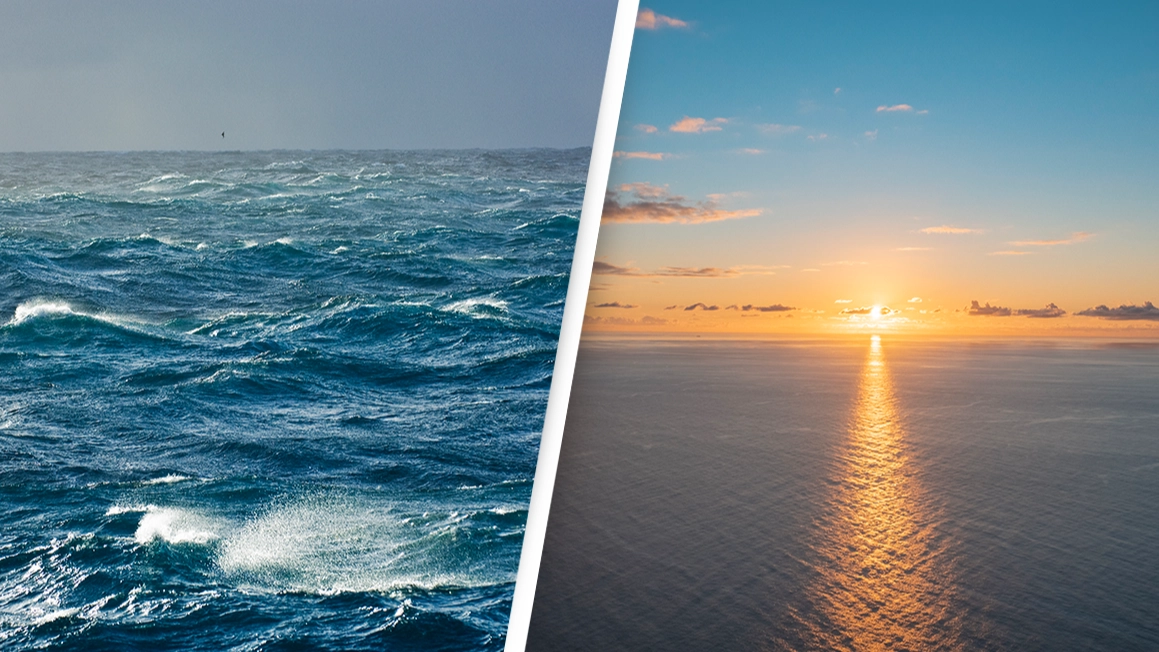
    Scientists have finally found what they've been searching for in the Atlantic Ocean.

    Back in the 1940s, equatorial waters were discovered in the Pacific and Indian Oceans.

    These were formed by the mixing of waters to the north and south, and scientists believed that because the Atlantic shares 'common features' with the Pacific and Indian Oceans, it was likely the Atlantic also had a similar body of water within it.

    Advert

    But decades passed and such 'missing' blob of water still went undiscovered - until now.

    The previously undetected water stretches across the Atlantic from the top of Brazil to the Gulf of Guinea and has been named the Atlantic Equatorial Water.

    Reflecting on their findings, Viktor Zhurbas, a physicist and oceanologist at The Shirshov Institute of Oceanology in Moscow, said it was 'controversial' that equatorial waters couldn't be found in the Atlantic.

    He told Live Science: "It seemed controversial that the equatorial water mass is present in the Pacific and Indian oceans but missing in the Atlantic Ocean because the equatorial circulation and mixing in all three oceans have common features."
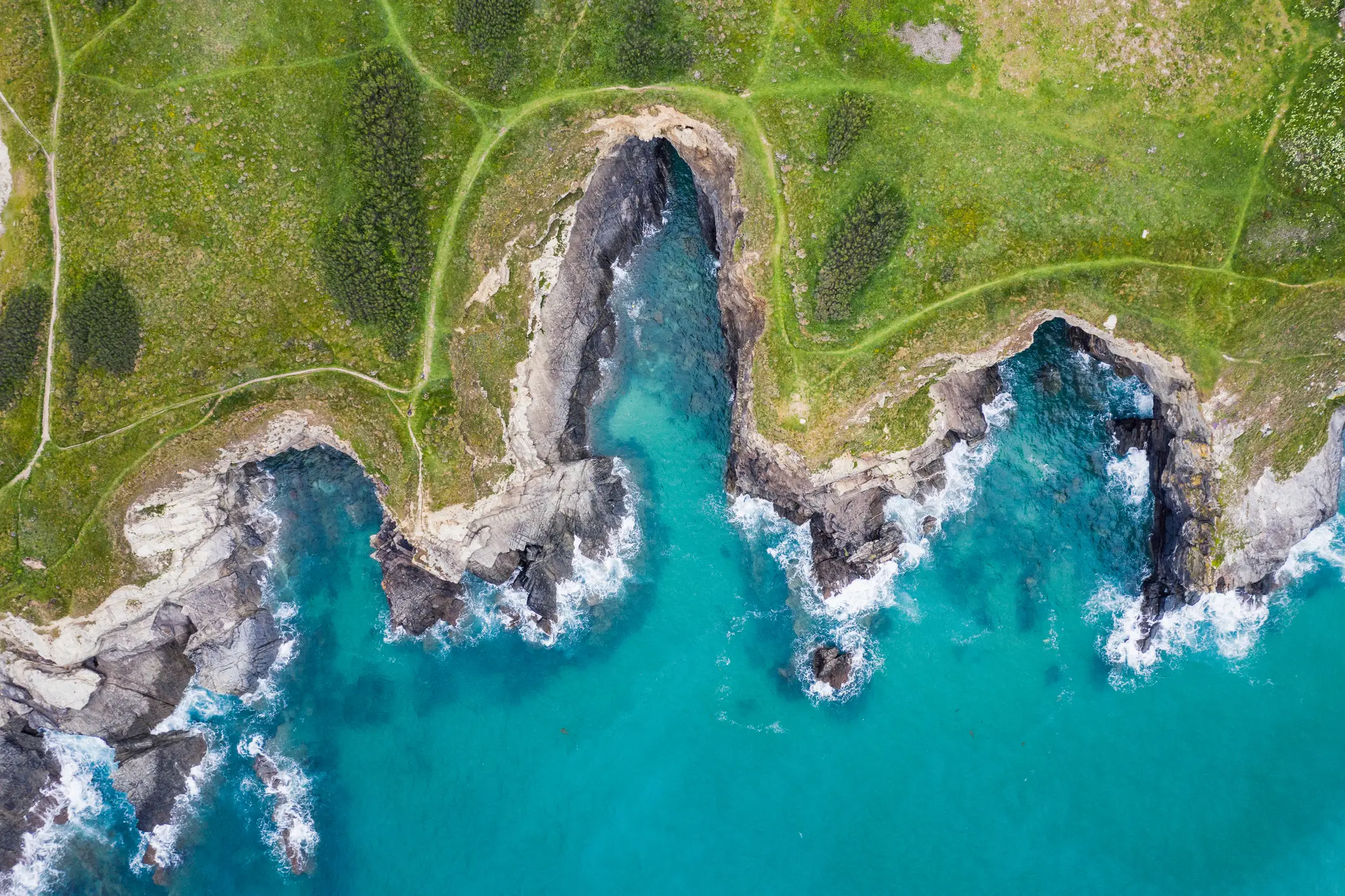
    Equatorial Waters have found been discovered in the Atlantic.
    Abstract Aerial Art/Getty

    Echoing similar sentiments, part of the now-published study said that it was 'astonishing' that Equatorial Water was present in the Pacific and Indian Oceans but not in the Atlantic because 'the equatorial circulation and mixing in all three oceans have common features such as the equatorial undercurrent and the equatorial waves'.

    As to how they finally come to discover the Atlantic Equatorial Water, a team of scientists trawled through data collected by the Argo program - which was set up to search the world's oceans using robotic, self-submerging floats.

    Upon analyzing the data, they found a distinct body of water (now dubbed the Atlantic Equatorial Water) that is believed to have been formed by the mixing of the South Atlantic Central Water and the North Atlantic Central Waters.
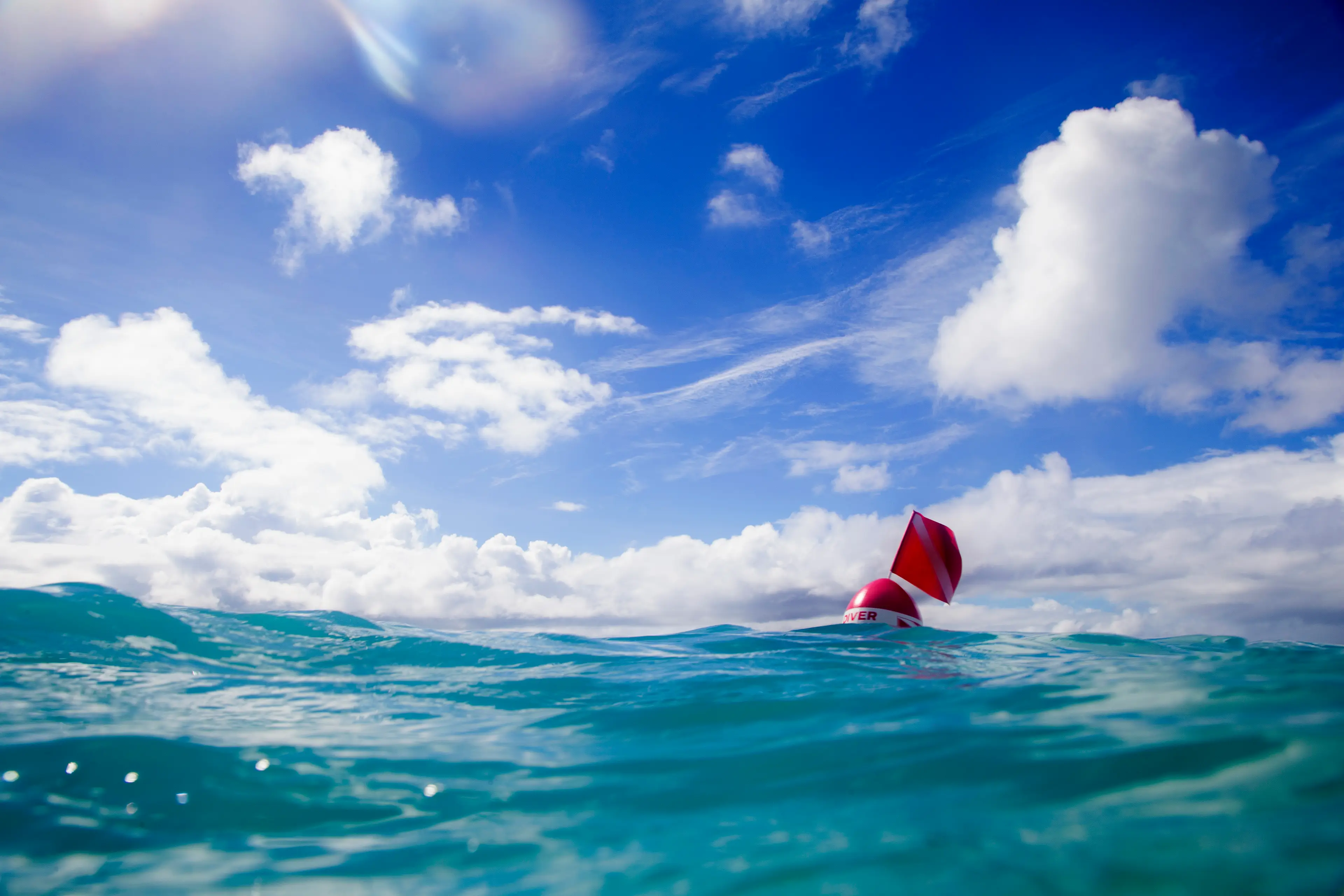
    The Argo program has robotic floats dotted across the world's oceans.
    Gary John Norman/Getty

    According to Zhurbas, their discovery could have easily been confused with the South Atlantic Central Water but, to distinguish between the two, they used 'a fairly dense network of vertical temperature and salinity profiles covering the entire Atlantic Ocean'.

    As what what the discovery means for scientists, Zhurbas added: "The identified new water mass has allowed us to complete (or at least more accurately describe) the phenomenological pattern of basic water masses of the World Ocean."

    The ocean's mixing process is said to be vital to its transport of heat, oxygen and nutrients around the globe.

    The full study was published on Geophysical Research Letters on October 28.

    Choose your content:

    an hour ago
    5 hours ago
    8 hours ago
    12 hours ago
    • Facebook/Barry Christian
      an hour ago

      Missing Oklahoma Senate candidate Barry Christian found dead in truck near remote ravine

      Barry Christian was reported missing earlier this week

      News
    • Aaron Schwartz/CNP/Bloomberg via Getty Images
      5 hours ago

      Donald Trump refuses to wear bulletproof vest over fears of looking heavier

      The US president expressed his concerns over the life saving equipment adding 20lbs to his appearance

      News
    • Rick Friedman/Corbis via Getty Images
      8 hours ago

      Jeffrey Epstein’s cellmate claims to have read his suicide note that's been sealed from the public

      The note was allegedly left with Epstein's cellmate, Nicholas Tartaglione, according to a new report

      News
    • Joseph Okpako/WireImage
      12 hours ago

      Influencer claims she poisoned herself by eating one common food every day

      The content creator said doctors called to tell her she had 'dangerously high arsenic levels'

      News
    • Scientists accidentally discovered a new organ in the human body
    • Study reveals how unexpected creature ruled the ocean over 100 million years ago
    • NASA scientist claims they've discovered the Star of Bethlehem
    • The states where people go missing the most revealed in eye-opening map