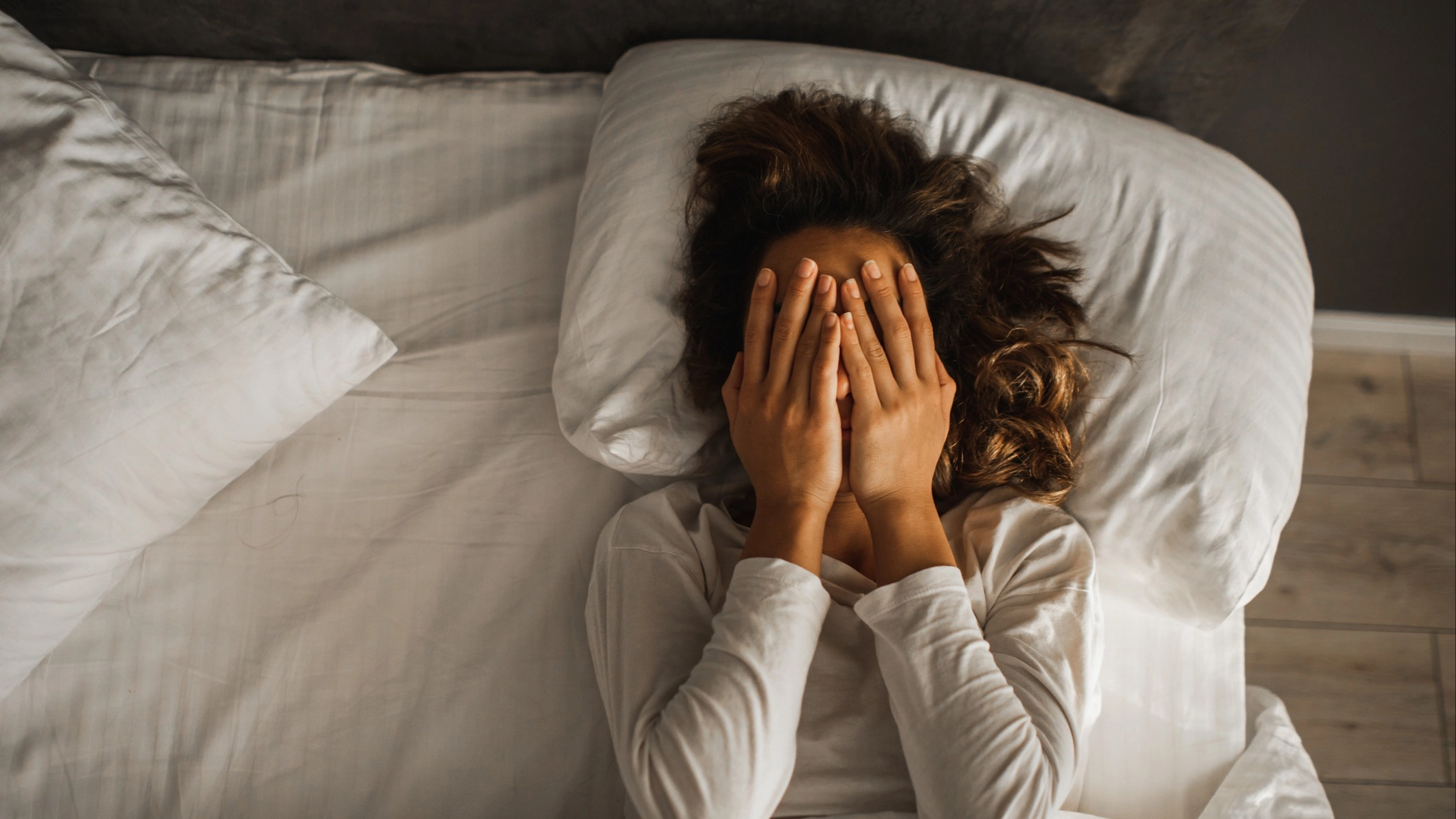
Scientists reveal how much sleep is too much and how to achieve the perfect amount

Experts have detailed how much sleep is actually deemed too much and what can be done to achieve that perfect balance to ensure you're at an optimal level for the day ahead.
World Sleep Day is this Friday (March 13), an annual event intended to raise awareness surrounding sleep health.
The event is intended to make people aware of sleep patterns and how much kip they are getting every night.
We're often told about what happens if you don't have enough sleep, but discussion surrounding too much is certainly less prevalent. I mean, we're not going to complain after ten hours of sleep and waking up at 11am on a weekend now are we?
Advert
Sleep experts Charlotte Gupta and Gabrielle Rigney wrote in a piece published in The Conversation about the impact too much sleep can have on your overall health and the results are certainly surprising.

A review of 79 studies found that those who slept more than nine hours a night had a 34 percent higher chance of dying compared to those who get seven to eight hours of kip of an evening.
Meanwhile, a 2018 study looked into the sleep health of participants across a variety of different studies ranging from a year to 30 and found a similar train.
Those who slept more than nine hours a night had a 14 percent higher chance of dying in the study period.
The Conversation piece also noted that sleeping too much is linked to a variety of different health problems, including depression, chronic pain, weight gain and metabolic disorders.
Gupta and Rigney said that to achieve the perfect amount of sleep, it's advised to 'get sunlight and stay active during the day, and try to keep a regular sleep and wake time'.
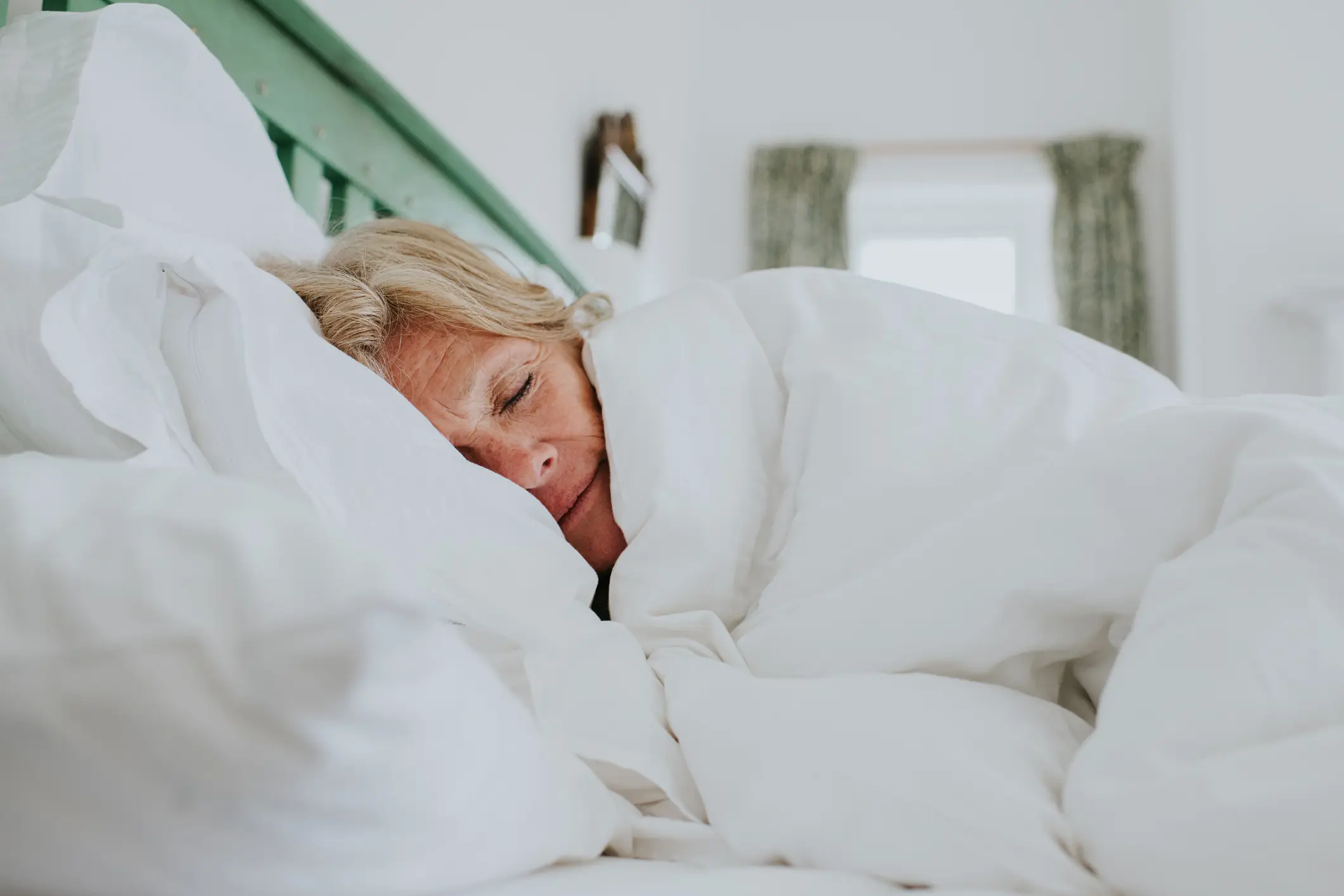
You're also going to want to avoid any screens for an hour leading up to bed time, while it's also crucial your sleep space is at an optimal temperature, as well as being in a quiet and dark place.
And it goes without saying comfort is key to a good nights sleep.
Sammy Margo, a sleep expert with Dreams, has also detailed some hacks to sleeping well, with routine being the key.
The expert explained: "Humans thrive on rhythm and routine. Go to bed and wake up at roughly the same time each day, even at weekends. If you’ve had a poor night, go to bed slightly earlier rather than sleeping in. Wind down properly with calming activities, limit caffeine late in the day, and make sure your bedroom is cool, dark and comfortable.”
 Callum Jones