Chinese social media platforms savagely mock Trump with series of Iran war memes

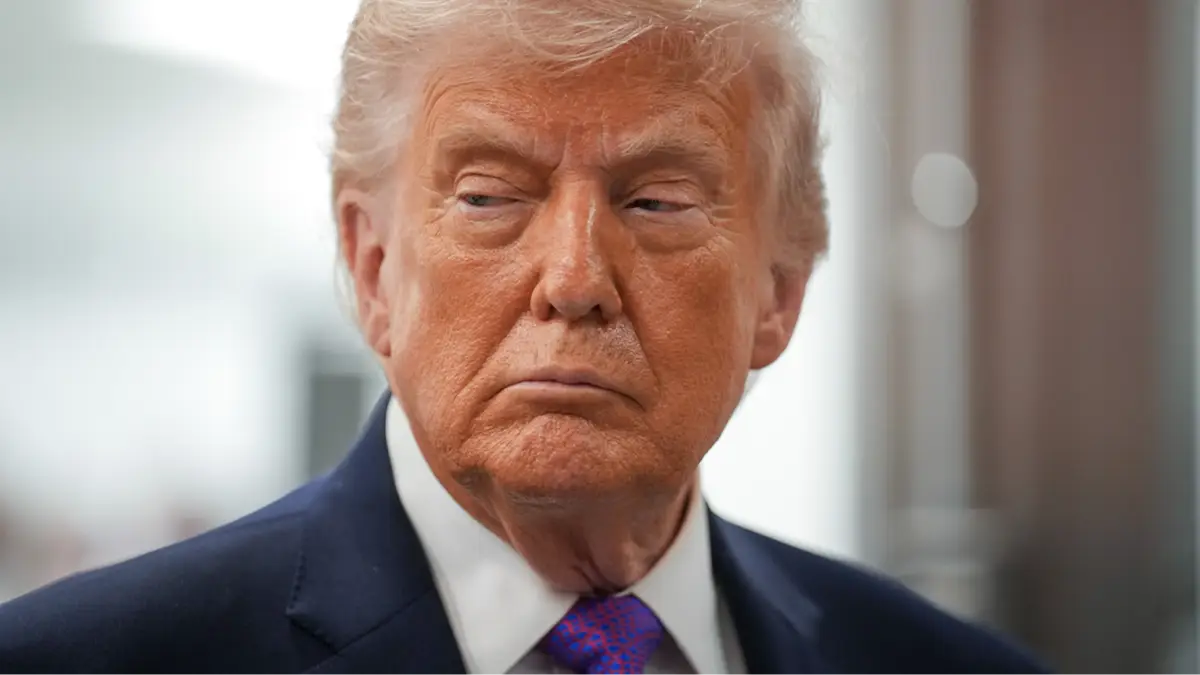
AI-generated videos mocking Donald Trump are spreading on Chinese social media platforms as the US and Israeli war against Iran continues.
One of the videos is a cartoon which shows Trump taking a question from a reporter in a press conference.
In the AI-generated clip, the journalist questions the president about the Minab school.
This was an attack in which 168 people were were killed, including more than 100 children who were attending school.
Advert
Amnesty International has since reported that the US was responsible for the attack, and US officials have confirmed that an investigation has been launched, though Trump and his allies have denied US responsibility.
In the AI video, after the reporter asks the question, it then cuts away to inside Trump's brain, where goblin-like creatures tell him to lie.
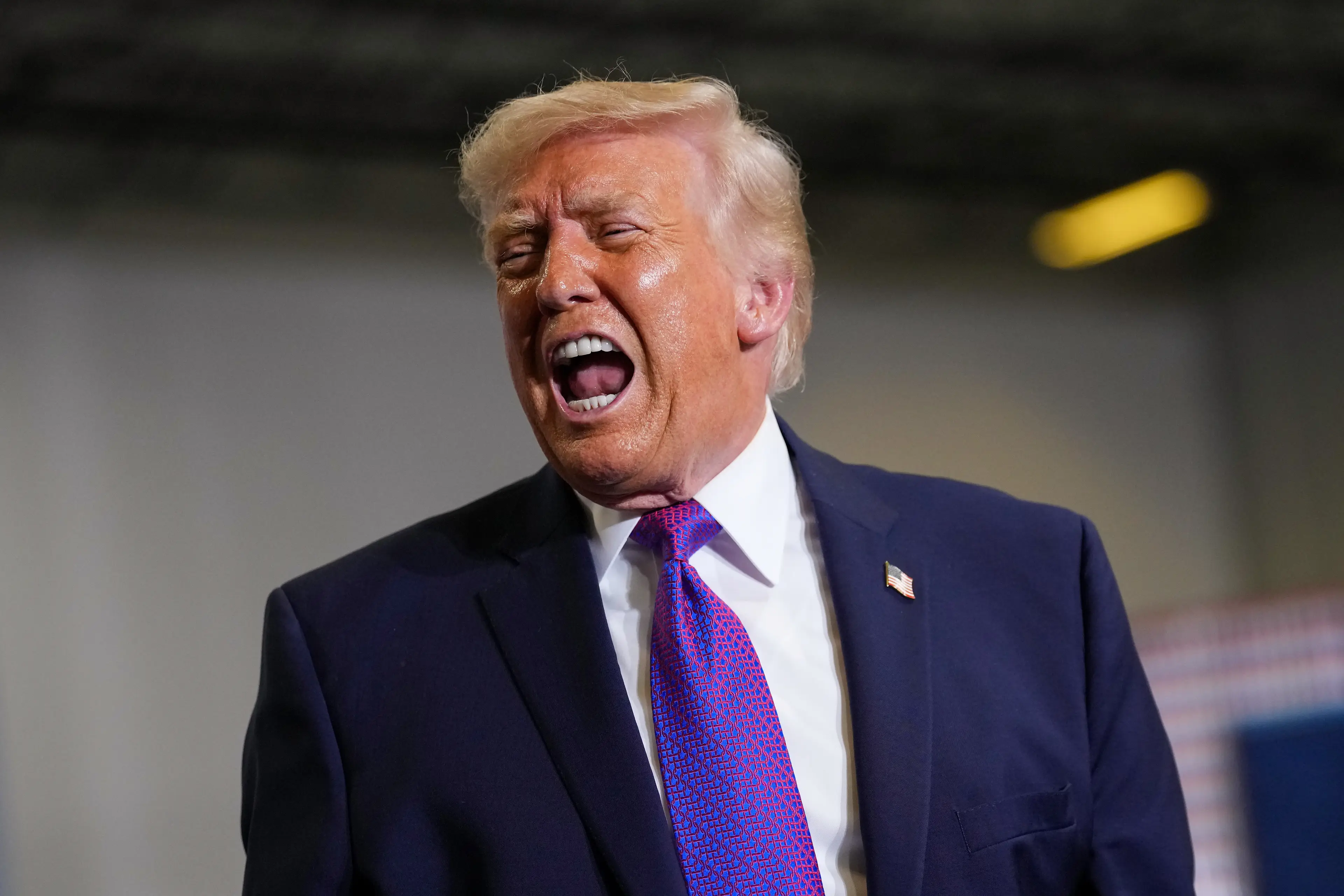
They then hit a button that says 'lie', before it cuts back out to Trump saying: "We didn't hit the Minab school. America doesn't have Tomahawk missiles at all!"
This video appears to have originated in Iran's Chinese embassy, and has been allowed to spread on Chinese social media.
In another AI-generated video which is spreading in the country there is a cartoon of an eagle, representing the US, locking several white doves of peace inside a cage.
Meanwhile, a Chinese cartoon in state media shows Uncle Sam, the common personification of the US, throwing fuel onto a fire with 'Hormuz Crisis' written on it.
Social media is tightly controlled in China, and censors can choose to block content from spreading, particularly political content.
CNN has reported that this suggests Chinese censors have made the decision to allow the AI videos to spread.
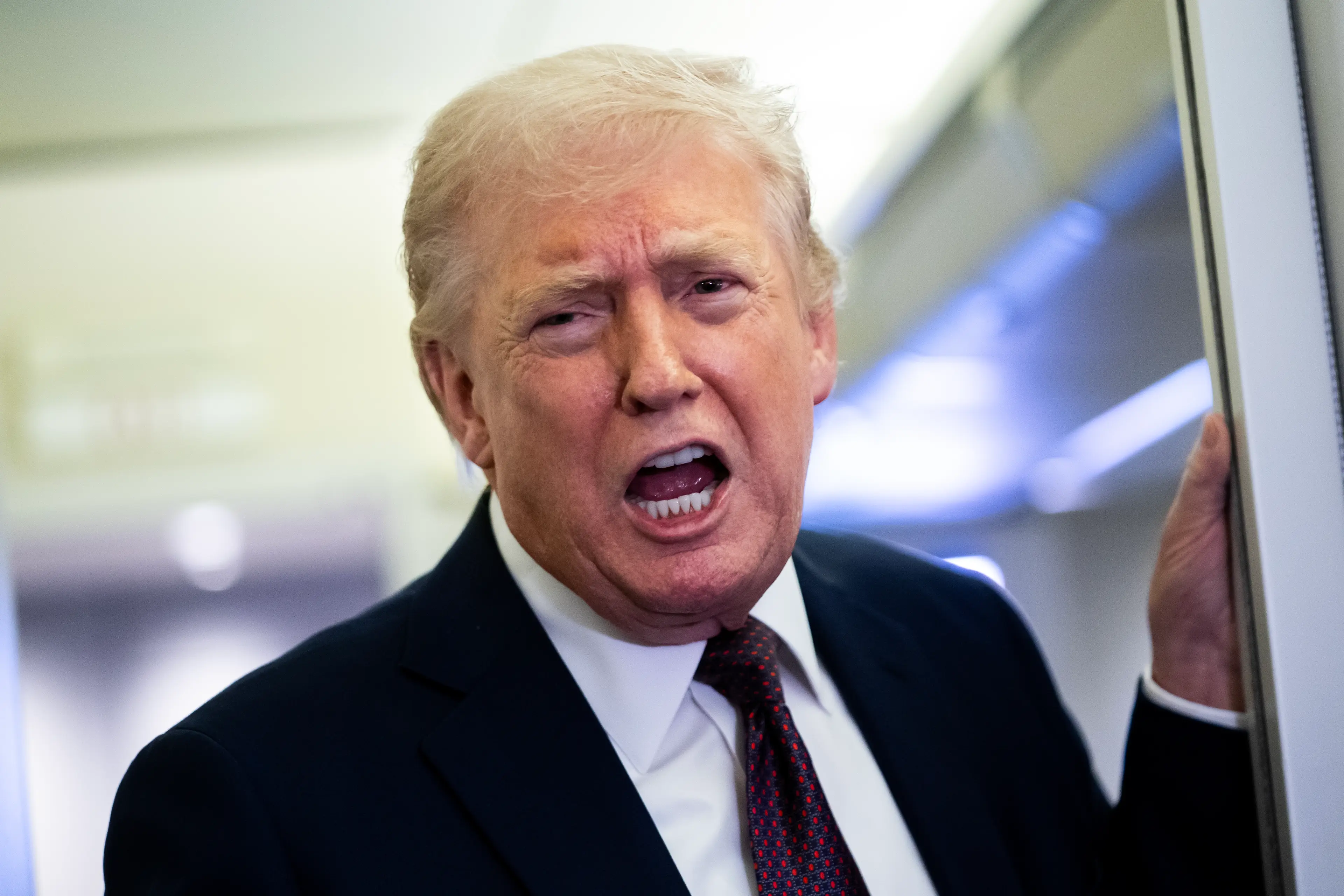
Officially, China has maintained a more neutral line, with CNN reporting that the Chinese foreign ministry has said that the US and China 'remain in communication'.
The US and Israeli war with Iran has in turn seen the blacking of the Strait of Hormuz.
This is a narrow area of sea which is located between Iran's southern coast and the United Arab Emirates, and is one of the busiest shipping lanes for oil in the world.
It allows tankers to pass from Gulf states out into the Arabian Sea, where they can either turn west to head to the Suez Canal, or east towards India.
Around 20 percent of all global oil shipping has to pass through Hormuz, and its blockage has seen the price of oil spike to unprecedented levels from around $70 a barrel before the war up to over $100.
Approximately 3.2 million people have now been displaced in Iran since the war started, according to estimates from the UN refugee agency.
Topics: News, World News, Donald Trump, China, Artificial Intelligence, Iran
 Kit Roberts