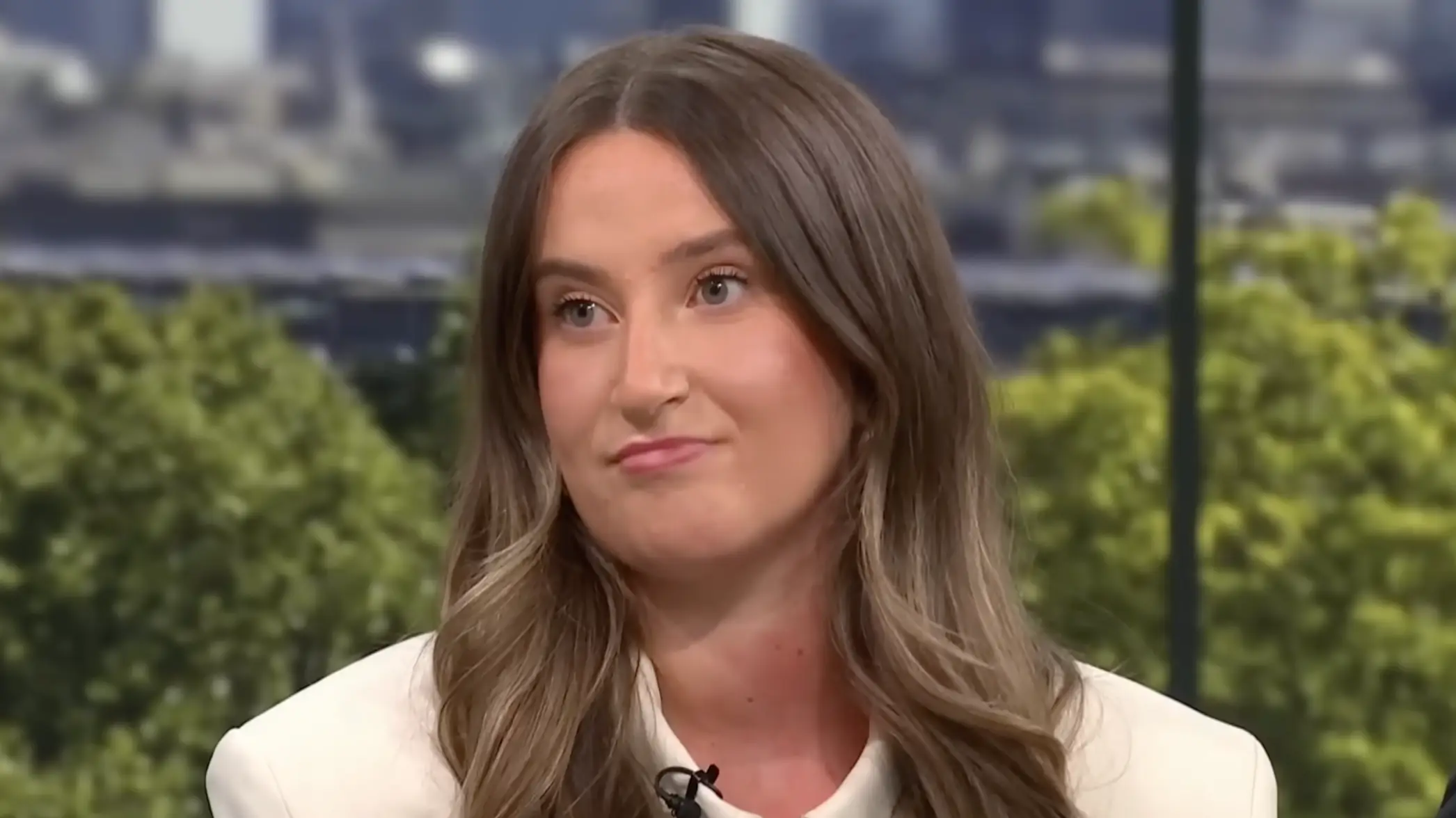
Woman who thought she was a pedophile before diagnosis reveals devastating ways it impacted her life

Warning: This article contains themes of OCD pertaining to intrusive thoughts about children, which some may find triggering.
A 22-year-old has bravely spoken out about the ways in which believing she was a pedophile in her teen years impacted her life, after receiving a rare diagnosis.
Molly Lambert was just a teenager when she started to question thoughts she was having about children, and is now raising awareness about the specific mental health disorder that changed her life.
At just 14 years old, Molly began having, what she thought was, uncontrollable and unwanted thoughts of children in sexual ways.
Advert
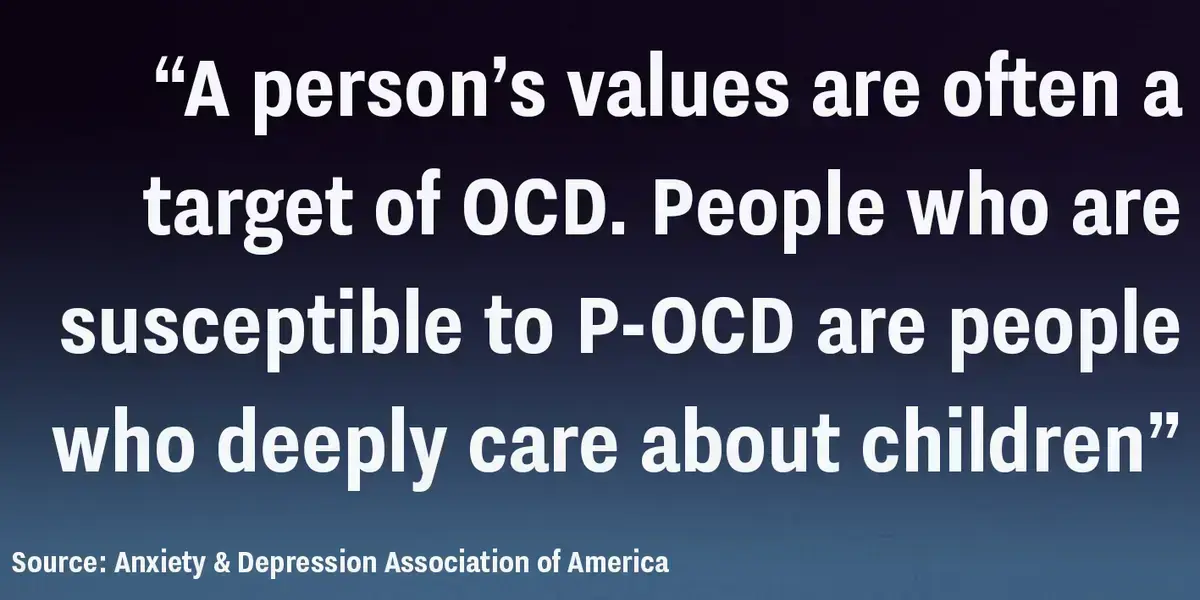
But years later, after opening up to her parents, she a therapist diagnosed her with a specific type of OCD, know as P-OCD - Pedophilia-themed Obsessive-Compulsive Disorder.
According to the National Institute for Health, the true number of people experiencing P-OCD is likely higher than reported, as sufferers frequently conceal their symptoms due to intense shame and the fear of being misunderstood or misdiagnosed.
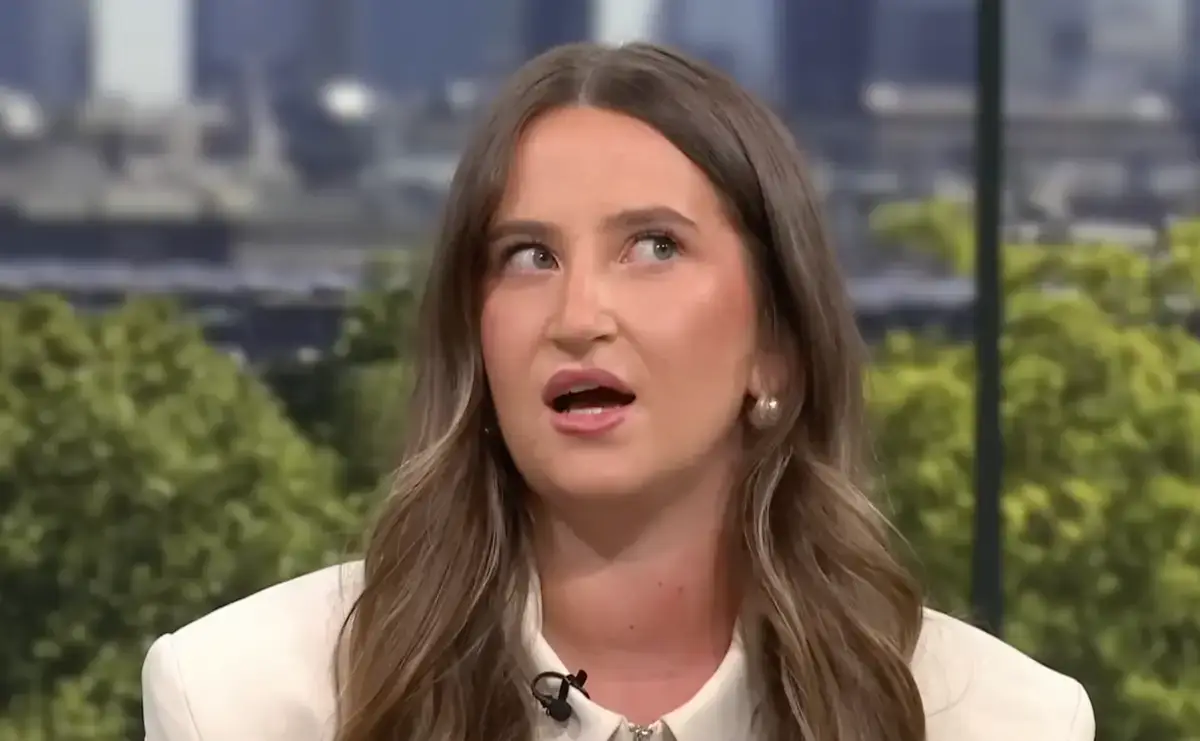
However, the most critical difference between actual pedophilia and P-OCD is that the thoughts are ego-dystonic - meaning that they go completely against the person's core values, identity, and desires.
Speaking openly about the ways in which the uncontrollable thoughts impacted her life on ITV's This Morning, Molly said: "I couldn't eat, I lost so much weight, I wasn't sleeping, I was so terrified to be alone because the thoughts got worse, I've never felt so petrified."
She also noted when exactly the thoughts began, as she added: "I saw a little girl and I thought 'oh her outfit is quite inappropriate for a child to be wearing'.
"That whole vacation I was on the beach, and I was like 'oh my gosh why am I thinking this?'
"Once you've had that 'I'm a pedophile' thought, for someone with OCD that's like, I've thought that and it must mean something."
The 22-year-old said that while she was 'reluctant' to go to therapy for fear of judgement or worse, therapy was actually the best decision and was 'amazing' for her.
If you’ve been affected by any of these issues and want to speak to someone in confidence, please don’t suffer alone. Call Samaritans for free on their anonymous 24-hour phone line on 116 123 or contact Harmless by visiting their website https://harmless.org.uk.
Alternatively, the Campaign Against Living Miserably (CALM) is there to support you. They're open from 5pm–midnight, 365 days a year. Their national number is 0800 58 58 58 and they also have a webchat service if you're not comfortable talking on the phone.
Topics: This Morning, Mental Health, Life, UK News
 Mia Williams