unilad homepage
unilad homepage
    • News
      • UK News
      • US News
      • World News
      • Crime
      • Health
      • Money
      • Sport
      • Travel
    • Music
    • Technology
    • Film and TV
      • News
      • DC Comics
      • Disney
      • Marvel
      • Netflix
    • Celebrity
    • Politics
    • Advertise
    • Terms
    • Privacy & Cookies
    • LADbible Group
    • LADbible
    • SPORTbible
    • GAMINGbible
    • Tyla
    • UNILAD Tech
    • FOODbible
    • License Our Content
    • About Us & Contact
    • Jobs
    • Latest
    • Archive
    • Topics A-Z
    • Authors
    Facebook
    Instagram
    X
    Threads
    TikTok
    YouTube
    Submit Your Content
    Eerie footage shows scientists growing human teeth that can 'naturally regenerate' as part of new research

    Home> News

    Published 15:30 14 Apr 2025 GMT+1

    Eerie footage shows scientists growing human teeth that can 'naturally regenerate' as part of new research

    The groundbreaking research is hoped to eventually be an alternative to fillings

    Niamh Shackleton

    Niamh Shackleton

    google discoverFollow us on Google Discover
    Featured Image Credit: King's College London

    Topics: Science, Health, UK News, London, Education, News

    Niamh Shackleton
    Niamh Shackleton

    Niamh Shackleton is an experienced journalist for UNILAD, specialising in topics including mental health and showbiz, as well as anything Henry Cavill and cat related. She has previously worked for OK! Magazine, Caters and Kennedy.

    X

    @niamhshackleton

    Advert

    Advert

    Advert

    While some animals like sharks and elephants can continuously grow new teeth, humans aren't as lucky.

    Us humans only get one set of teeth (once we get to adulthood), meaning we have to take extra care of them throughout or lives. From flossing, daily cleaning and yearly check-ups, looking after our gnashers can be quite the task.

    We all strive to have healthy teeth, but sometimes fillings can end up being unavoidable. They're pretty common in fact, as around 91 percent of Americans have at least one filling, says The Centers for Disease Control and Prevention (CDC).

    For anyone who has had a filling, you'll know that it's far from an enjoyable experience and, not only that, they can prove quite costly. Without insurance, a single tooth filling can set you back as much as $500.
    Advert

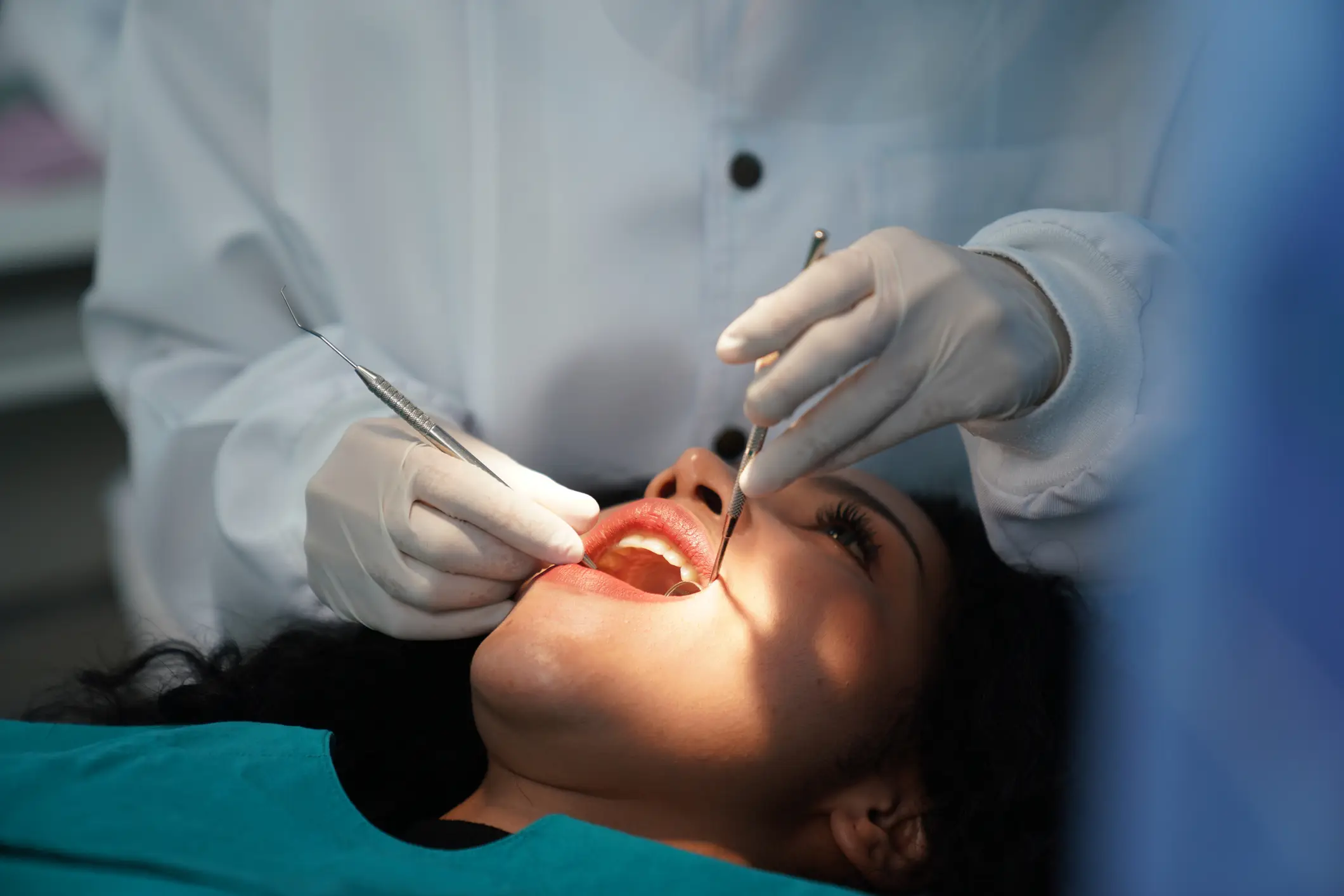
    Dentists may charge as much as $500 for a filling (Getty Stock Image)
    Dentists may charge as much as $500 for a filling (Getty Stock Image)

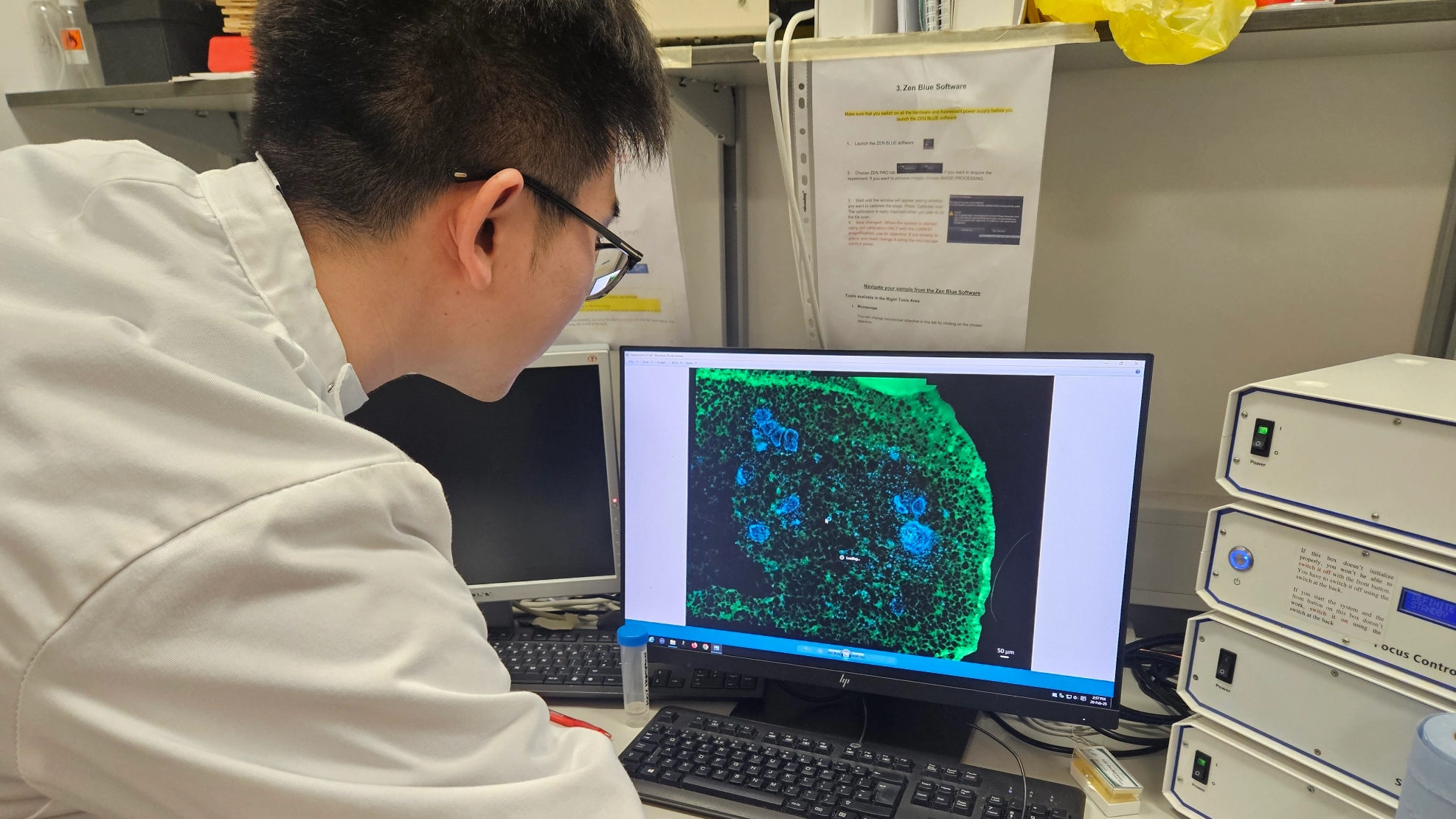
    But fear not folks, as a filling alternative could be on its way as world-leading research is taking place into this field at King’s College London, UK, where scientists have explored lab-grown teeth for more than a decade.

    READ MORE:

    DENTIST REVEALS COMMON MISTAKE PEOPLE MAKE THAT CAUSES YELLOW TEETH

    DRUG THAT CAN REGROW TEETH APPROVED FOR HUMAN USE

    These lab-grown teeth are made from a patient’s own cells could integrate seamlessly into the jaw and repair itself like a natural tooth.

    See a video of the amazing (and somewhat eerie) research here:

    Speaking about the research, Xuechen Zhang, from the Faculty of Dentistry, Oral & Craniofacial Sciences, King’s College London, said: "Fillings aren’t the best solution for repairing teeth.

    "Over time, they will weaken tooth structure, have a limited lifespan, and can lead to further decay or sensitivity. Implants require invasive surgery and good combination of implants and alveolar bone.

    "Both solutions are artificial and don’t fully restore natural tooth function, potentially leading to long-term complications.

    "Lab-grown teeth would naturally regenerate, integrating into the jaw as real teeth. They would be stronger, longer lasting, and free from rejection risks, offering a more durable and biologically compatible solution than fillings or implants."
    Researchers at the UK-based university have successfully created lab-grown teeth (King's College London)
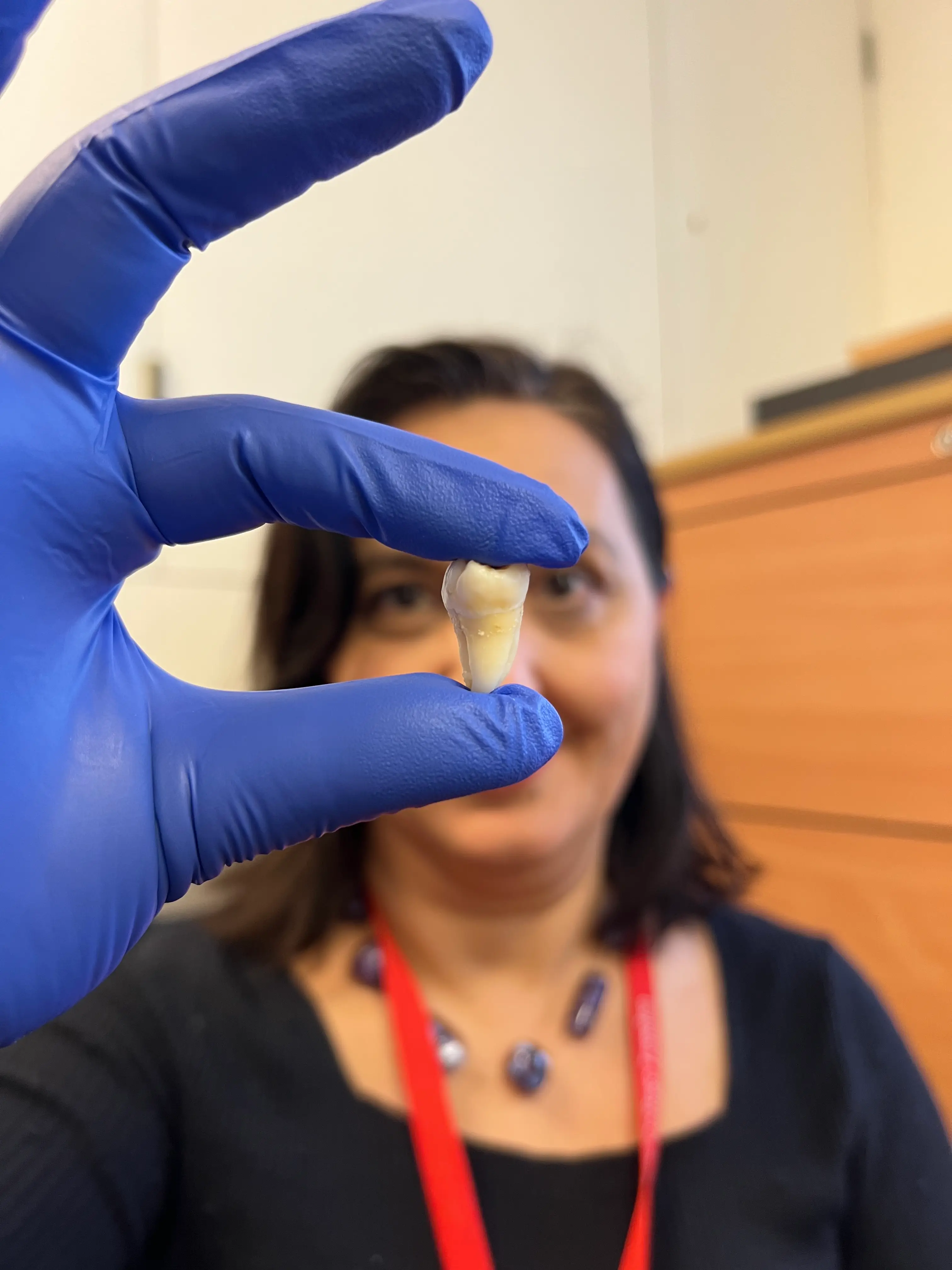
    Researchers at the UK-based university have successfully created lab-grown teeth (King's College London)

    Scientists have successfully created the right environment for teeth to grow, but now face the challenge of working out how to get them into patients' mouths.

    "We have different ideas to put the teeth inside the mouth," shared Zhang. "We could transplant the young tooth cells at the location of the missing tooth and let them grow inside mouth.

    "Alternatively, we could create the whole tooth in the lab before placing it in the patient’s mouth. For both options, we need to start the very early tooth development process in the lab."

    Choose your content:

    2 hours ago
    3 hours ago
    4 hours ago
    • Joseph Okpako/WireImage
      2 hours ago

      Influencer claims she poisoned herself by eating one common food every day

      The content creator said doctors called to tell her she had 'dangerously high arsenic levels'

      News
    • State Department
      2 hours ago

      New passports with Donald Trump's face are raising huge concern for Americans

      The face of President Trump could be on your passport long after he leaves office

      News
    • Grapevine Police
      3 hours ago

      Former Chick-fil-A employee allegedly stole $80,000 through mac and cheese refund scheme

      The recently fired employee stole tens of thousands of pounds through a smart refund scheme

      News
    • Getty Stock Images
      4 hours ago

      Experts reveal 10 English words you should avoid saying in other countries

      Going on vacation without knowing a word of the language spoken by people there can leave you open to some major misunderstandings

      News
    • Scientists want to grow 'headless' human bodies and farm their organs for research
    • Research shows the age our brains actually peak and it will surprise you
    • Eerie simulation shows ocean taking over New York City as experts warn sea level rise is 'underestimated'
    • Scientists explain Ozempic's impact on addiction after research suggests drug can help 'curb cravings for alcohol'