Woman who is America’s first IVF baby answers the most common question people ask

The first American IVF baby has revealed one common question she gets and expressed her appreciation for the science.
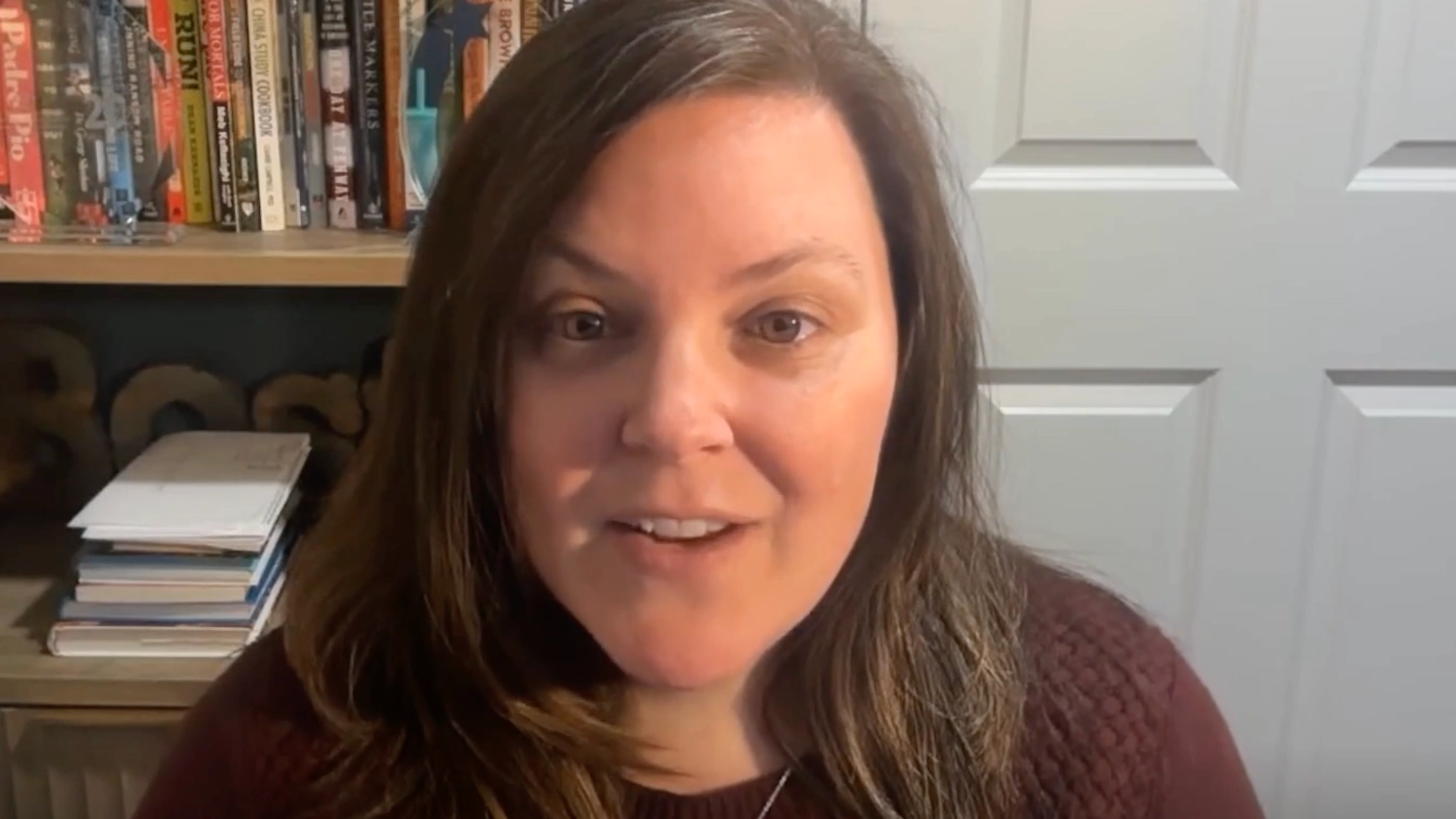
Elizabeth Carr is considered the first IVF baby born in the US and in a new video has spoken about the progress that has been made to the science and technology that makes it possible.
In a TikTok video she also revealed a common question she receives and how she feels about partially being the face of the treatment at the age of 44.
She noted that after her birth on December 28, 1981, much of her life was a media circus, even joking that her first press conference was when she was three days old.
Advert
Carr went on to praise her parents for not staying private and going public with their identity.
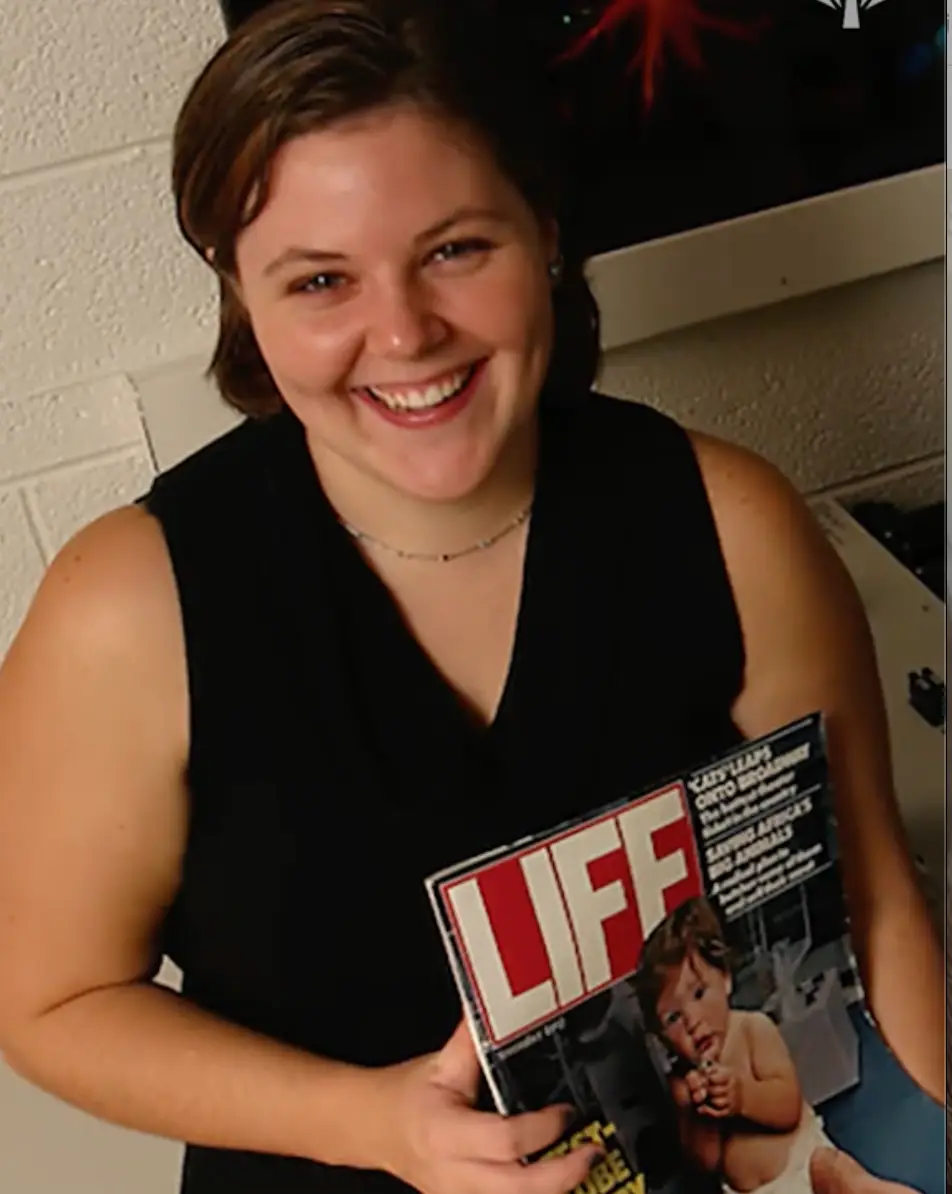
She explained: “The doctors actually did give my parents the option to stay private. But my parents felt very strongly that people should know, no, we’re just a normal couple looking to build our family like everybody else. And our child is normal and walks and talks and sounds just like every other child.”
In her video, she said she often jokes that a frequent question people have for her is whether she has a belly button or not.
Noting that many people believe that she was fully grown in a test tube laboratory, rather than inside of her mother.
She explained: “People do actually ask me that. They think that I was grown in a tube or a lab. Test tubes were not used, a petri dish was used.
“Inception happened inside of the petri dish and then I was put back in my mothers womb and then nine months later, here I was like everybody else.”
She went on to explain the many different uses of IVF in the modern age and the different groups of people it can assist with.
She continued: “One thing people should know, particularly around IVF and reproductive technology, is that the use of them is not just for the infertility community now.
“It’s people who are going on military deployment who need to time their family building.
“It is people who are going through cancer treatment who need to preserve their fertility, it is people who are LGBTQ who may need an assist from technology in order to build their family.
“By last count there is something like 12 million of us IVF babies which makes me feel really proud.”
 Gerrard Kaonga