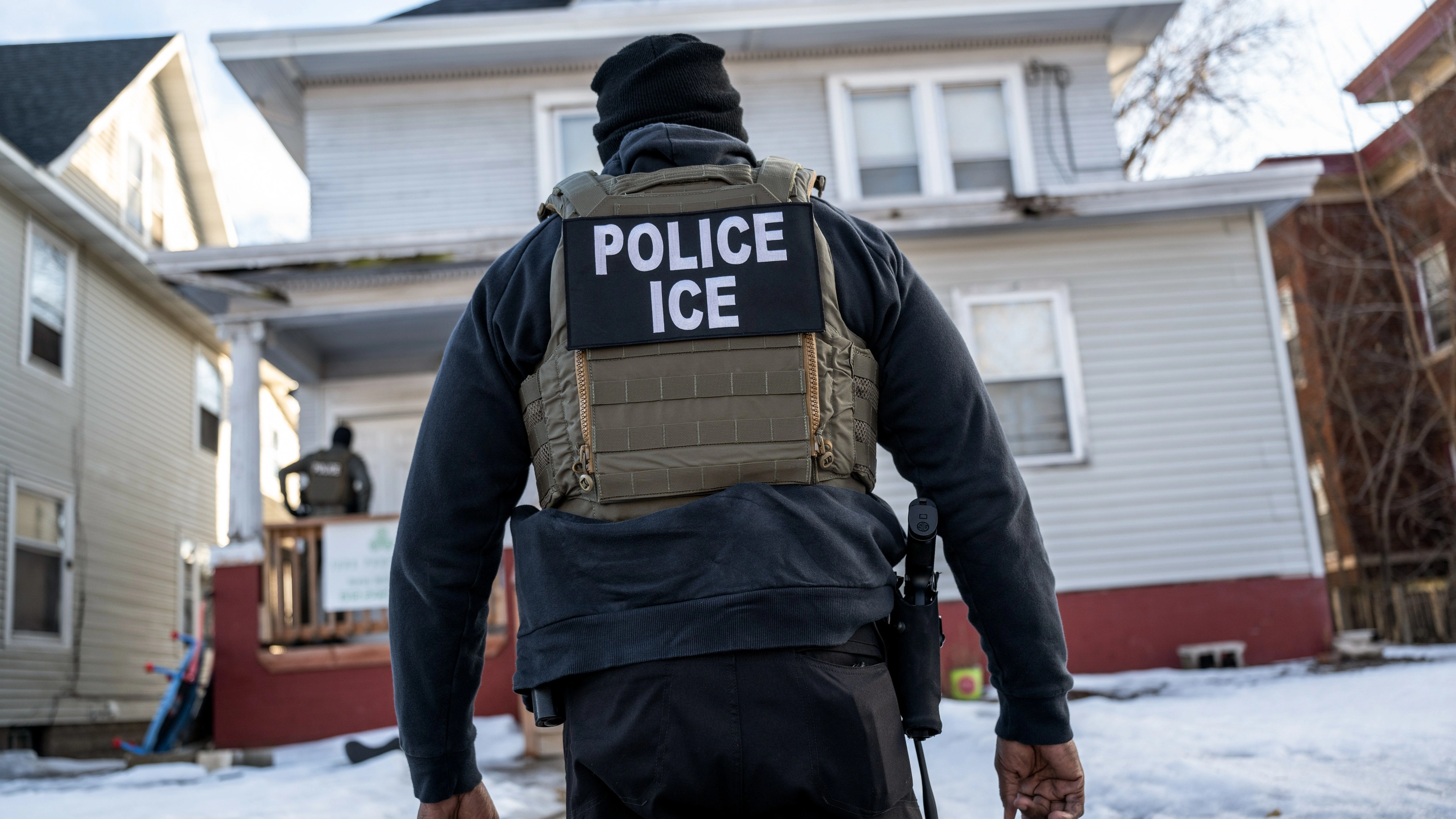
What ICE can and can't do as federal agents arrest wife of US army member

This is exactly what Immigration and Customs Enforcement (ICE) agents are permitted to do after the wife of a US army sergeant was detained during an appointment at an immigration office in El Paso, Texas.
Deisy Rivera Ortega, from El Salvador and wife of Sgt First Class Jose Serrano, was detained by ICE officers recently despite receiving legal protection in 2019 that prevents her from being deported back to her home country.
"I don’t really understand why, because she followed the rules of immigration by the T since day one," Serrano told CBS News following his wife's arrest.
The Department of Homeland Security (DHS) told the outlet that Rivera Ortega entered the US illegally, while Serrano claimed his wife could be deported to a country such as Mexico, despite having no ties to the nation.
Advert
Serrano added to CBS: "I love the army. [The] army helped me out for almost 28 years. It’s not the army, sir. It’s ICE.
“ICE is out of control right now, sir, taking away rights, as soldiers, that we have.”

Ever since the controversial deaths of Renee Nicole Goode and Alex Pretti by officers earlier this year, a lot has been said about the presence of ICE and what they are actually permitted to do by the Trump administration.
Jennifer Whitlock, an immigration policy expert and senior policy counsel at the National Immigration Law Center, told Time that most arrests by ICE are made under administrative warrants, which allows agents to take people into detentions without a traditional arrest warrant.
The expert went on to claim that officers have somewhat managed to bend the rules by arresting people without administrative warrants if 'the immigration officer has a reason to believe that the person is in the US unlawfully and likely to escape before a warrant can be obtained'.
Whitlock went on to say that some ICE agents will interpret this law as being able to detain people in cars as they are deemed as 'flight risks'.
"We've seen so many novel interpretations of DHS authority over the last year," the immigration officer added.
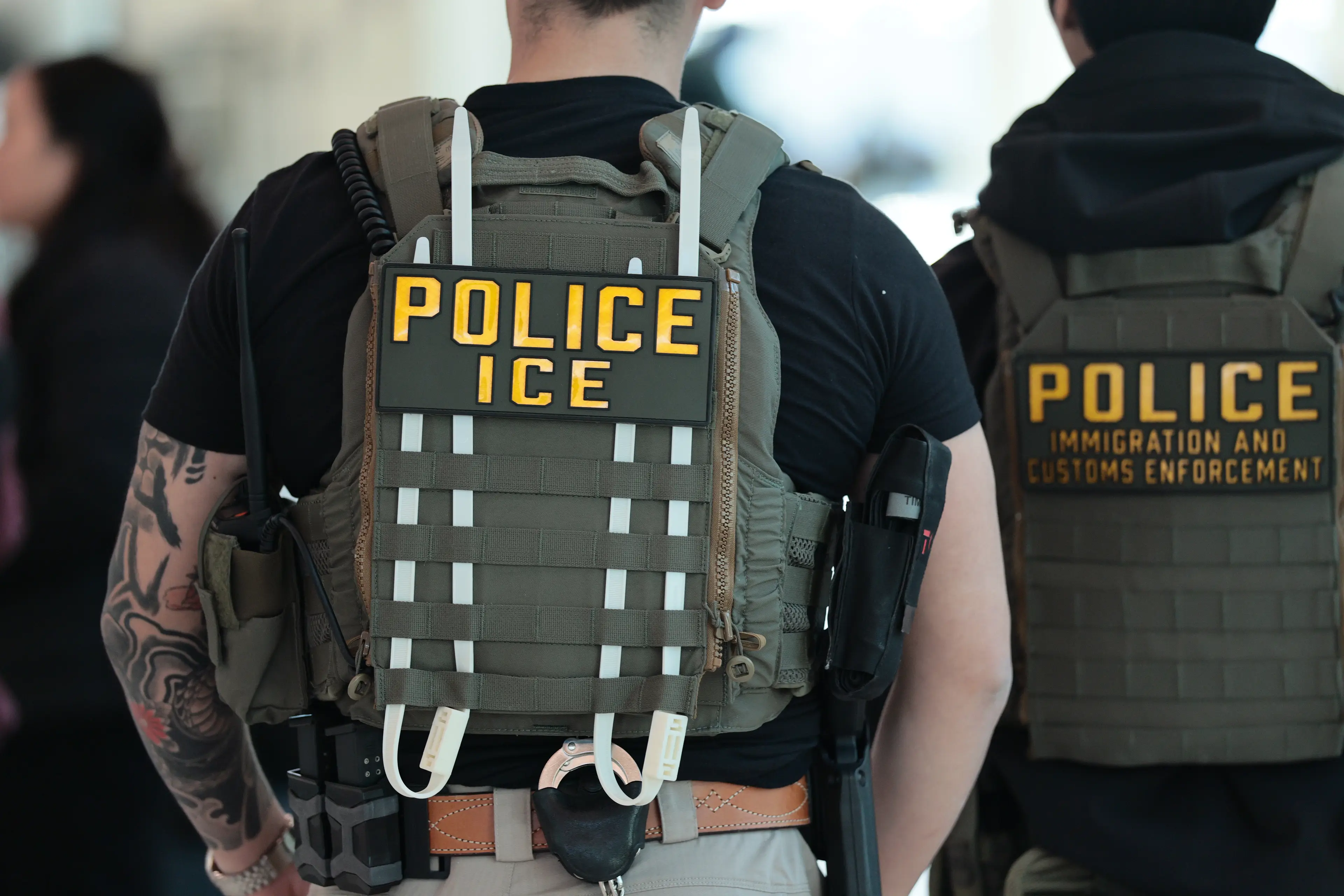
Emmanuel Mauleón, a professor at the University of Minnesota Law School and expert in the field, explained to Time that officers are only permitted to use 'deadly force' in cases where they are in danger of serious bodily injury or death.
"It's a high standard, but courts tend to be fairly deferential to officers’ perceptions," he added.
If you head to the DHS website, you'll read that ICE officers 'are permitted to use force to control subjects in the course of their official duties as authorized by law, and in defense of themselves and others'.
They must limit the force to what is deemed 'objectively reasonable in light of the facts and circumstances'.
If an ICE agent is found to have committed some form of wrongdoing, both state and federal authorities can launch an investigation.
However, in the case of Good's killing, the FBI originally opened an inquiry into the incident, but officials in Minnesota claim that federal government is blocking local authorities from vital evidence that could aide them with their own investigation into the matter.
"The State is entitled to investigate, but the federal government here does seem to be trying to hamper the ability of the state to obtain critical evidence," Mauleón added to Time.
Topics: Immigration, Texas, US News
 Callum Jones