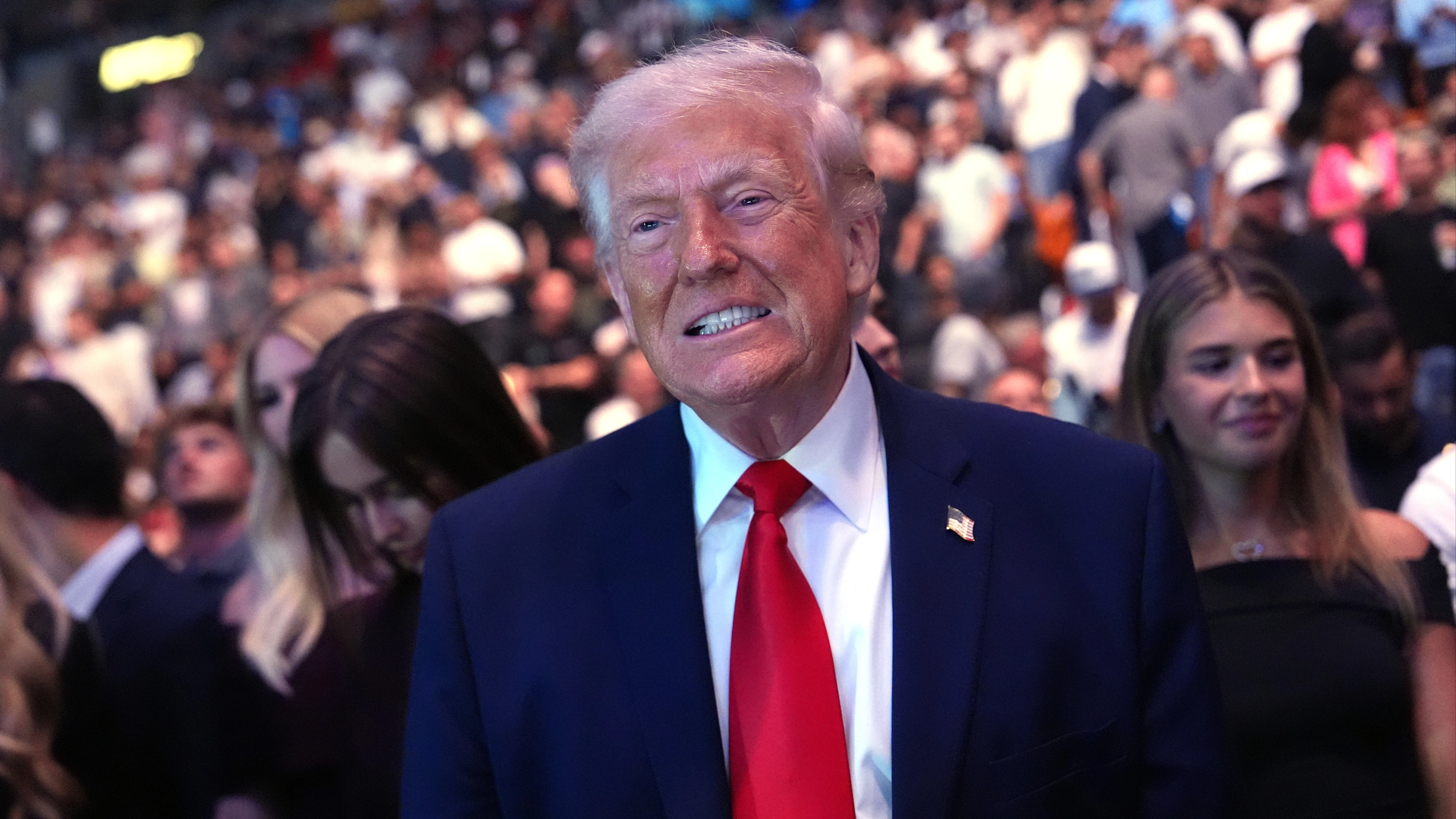
Trump says Iran is 'in very bad shape' as US blockades the Strait of Hormuz

Ships attempting to sail through the important Strait of Hormuz will face a blockade on all sides from today, with a US naval blockade snapping into place in the coming hours as President Trump ratchets up the pressure on Iran.
The blockade is hoping to neutralize one of the Iranian regime's strongest bargaining chip, control over the waterway through which a fifth of the world's oil normally passes, by preventing Tehran from charging companies up to $2 million for safe passage.
Signalling that he believes he holds a winning hand in the negotiations, despite them falling apart with no agreement on Sunday, Trump told reporters at Joint Base Andrews in Maryland that the war was all but won.
Standing in front of Air Force One, the president said of Iran: "their military is destroyed, their whole navy is underwater. One hundred fifty ships are gone, their navy is gone." He also revealed the insight gained from the negotiations in Pakistan.
Advert
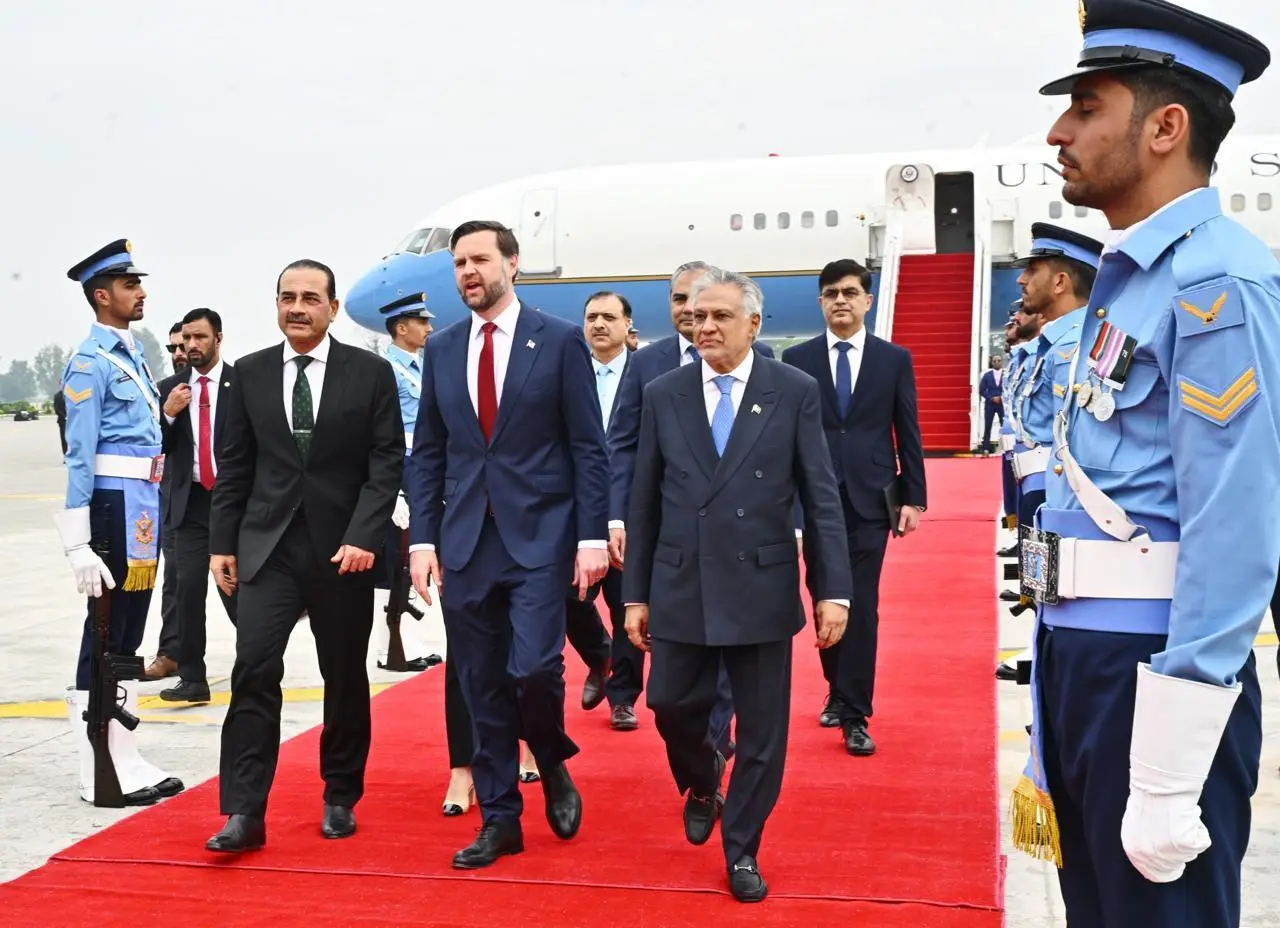
“I think Iran is in very bad shape. I think they’re pretty desperate,” Trump revealed. “We had a meeting that lasted 21 hours. We understand the situation better than anybody, and Iran’s in very bad shape."
The president added that the naval blockade in the Persian Gulf would be 'very effective' and that all commercial vessels will be barred from accessing Iran's ports from 10am E.T today (April 13).
This was confirmed by US CENTCOM, the unified combat command covering the Middle East, which said their 'forces will begin implementing a blockade of all maritime traffic entering and exiting Iranian ports on April 13 at 10 a.m. ET, in accordance with the President’s proclamation.'
CENTCOM added: "The blockade will be enforced impartially against vessels of all nations entering or departing Iranian ports and coastal areas, including all Iranian ports on the Arabian Gulf and Gulf of Oman. CENTCOM forces will not impede freedom of navigation for vessels transiting the Strait of Hormuz to and from non-Iranian ports."
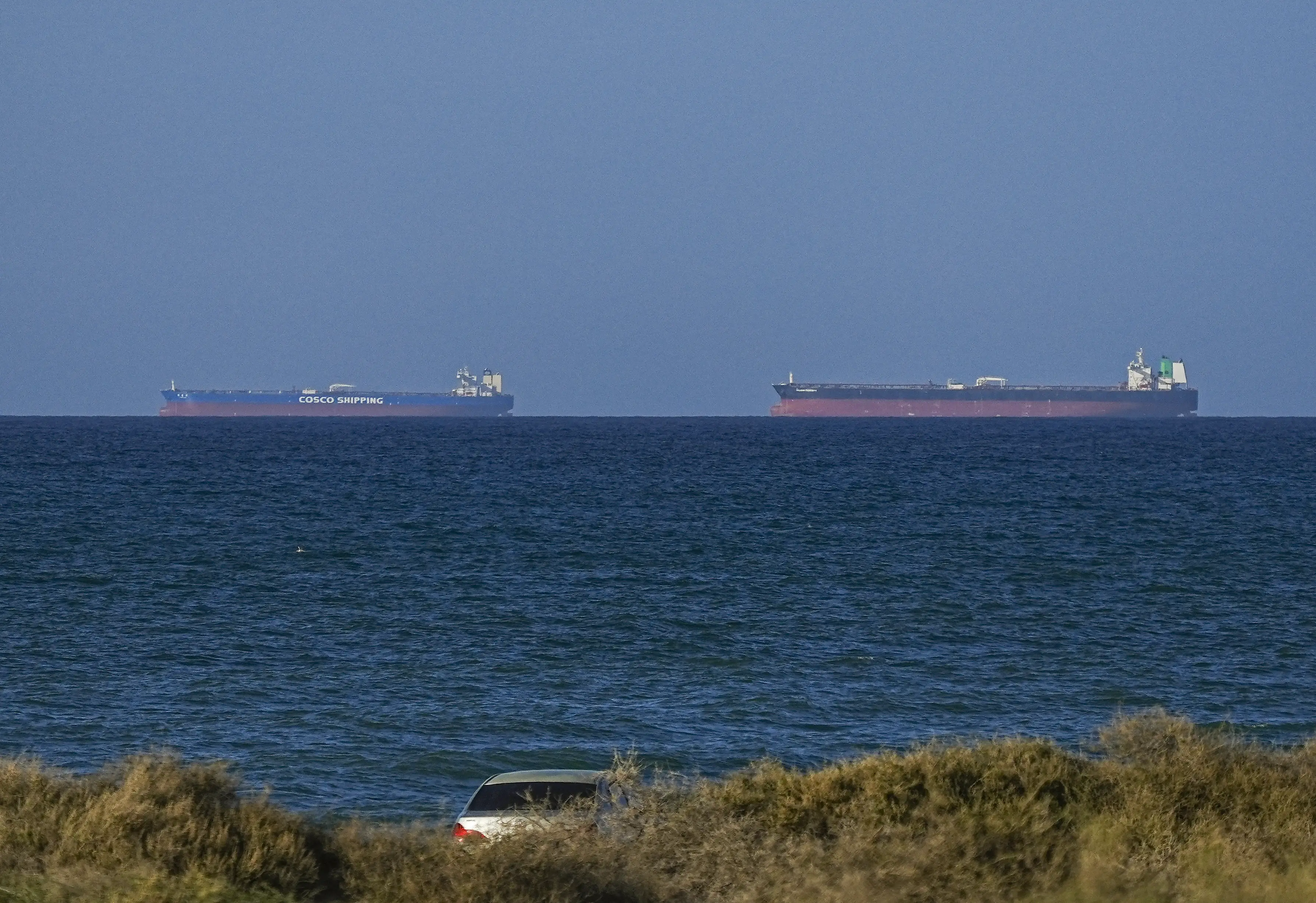
But even when the Iranian and American blockades of the Strait of Hormuz eventually end, a significant problem will remain for many commercial vehicles trying to transit through the chokepoint.
That is because of the significant amount of mines that are lying just below the water's surface, meaning that even with hostilities ended, many shipping companies may want to avoid the risk of their crews being blown out of the water.
President Trump confirmed that, at the same time as the blockade taking place, mine sweeping missions were being carried out to remove these lethal obstacles. He later told Fox News that the UK and a 'couple of other countries are sending minesweepers'.
However, while the European countries who depend more heavily on the strait for their supplies of some forms of oil are willing to clear these obstacles, none will be joining America's reciprocal blockade of the waterway.
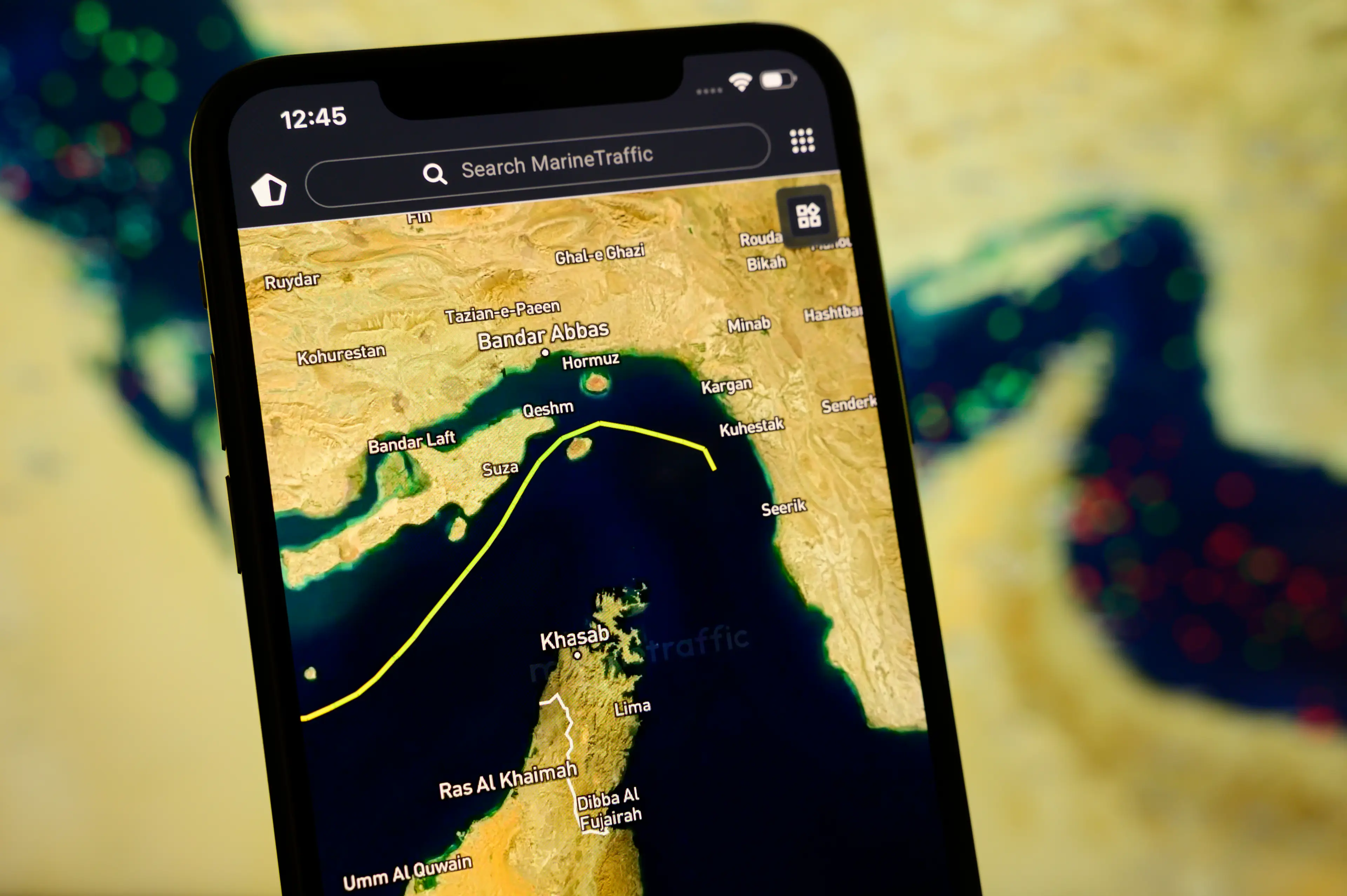
A spokesperson for the British government said: “We continue to support freedom of navigation and the opening of the Strait of Hormuz, which is urgently needed to support the global economy and the cost of living back home.
“The Strait of Hormuz must not be subject to tolling. We are urgently working with France and other partners to put together a wide coalition to protect freedom of navigation.”
However, the hardliners remaining in Iran who want to keep the strait as a bargaining chip and lucrative toll route have remained bullish about their control over the key waterway.
“America, just as it suffered a historic defeat against Iran in failing to open the Strait of Hormuz, is also doomed to failure in its maritime blockade,” Mohsen Rezaee, a senior adviser to the Ayatollah wrote on X.
“Iran’s armed forces will not grant America such permission and possess major untapped levers for countering it. Iran is not a place to be blockaded with tweets and fanciful schemes!”
Topics: Iran, Donald Trump
 William Morgan