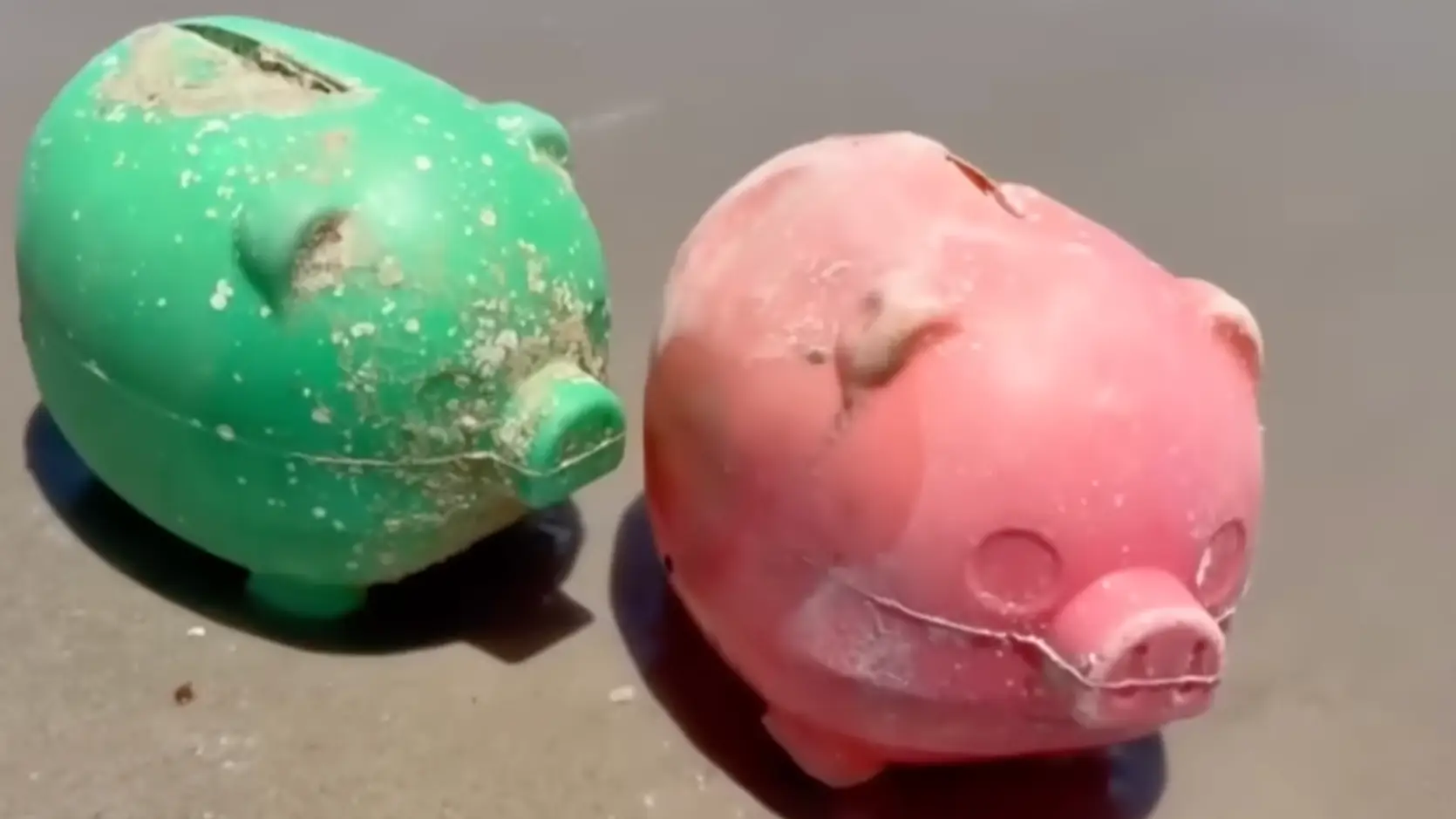
Texas mystery sees dozens of defective piggy banks wash ashore

Officials have been left feeling a bit perplexed after a five dozen defective piggy banks were washed ashore in Texas in 2026.
What do you typically find on a beach? Sand, of course, the sea and maybe a bit of seaweed. But the last thing you'd expect to see when having a dip in the water is a piggy bank your mom would put your pocket money in as a child.
That's exactly what Jace Tunnell discovered though, after covering 60 piggy banks across South Texas this year alone.
The marine biologist from the Harte Research Institute remarkably uncovered a whopping 14 in one day, but where exactly are they coming from?
Advert
Well, the expert told 12NewsNow that they were likely ditched by buyers, but the marine biologist is continuing to search for further answers to prove his theory.
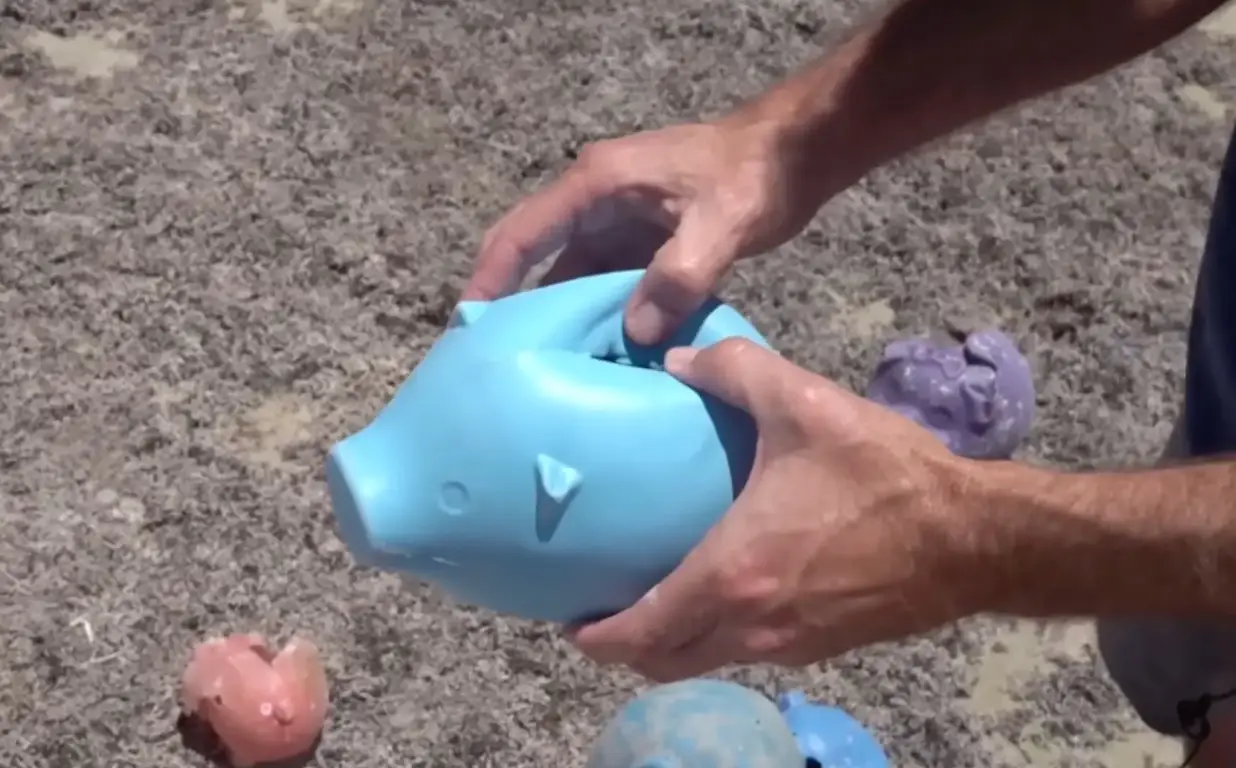
Tunnell does know the piggy banks originate from South American or Caribbean countries after they were washed ashore from the Gulf of America, formerly Gulf of Mexico, and found by beachgoers on the Bolivar Peninsula and South Padre Island.
Speaking to 12NewsNow, Tunnell said: "Once these piggy banks have been used, you’ll notice there’s a bunch of cuts in them. There’s no other way to get the money out, so people dispose of them, whether it’s directly in the ocean or on land."
Not a single bit of cash has been found in any of the 60 piggy banks, but that's not to say they weren't filled when they were discarded by its original owner.
"Every time I post one, people are like, ‘What was in there? Did you find any money?’ I just tell them, sand dollars. That’s the only thing I ever found in there," Tunnell added.
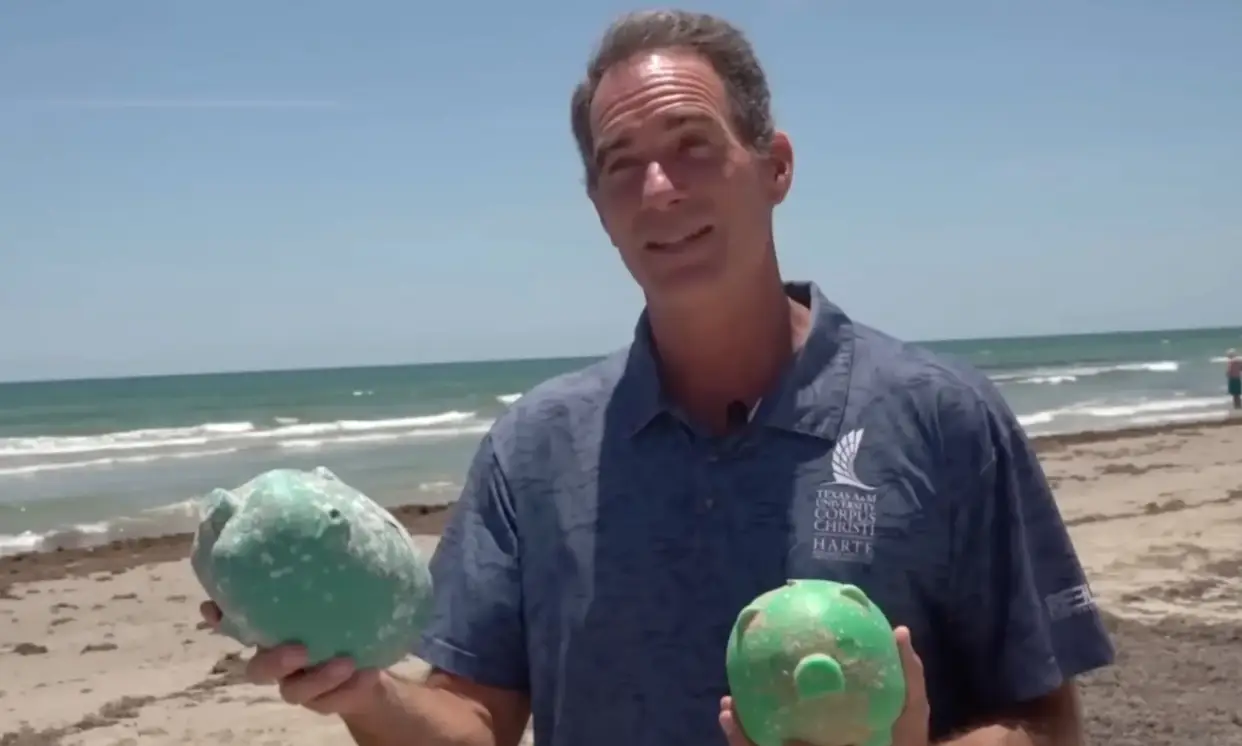
The expert has since penned a column for the Caller Times, where he said evidence points to the fact some of these piggy banks were 'sent straight from store shelves to the sea'.
Describing how they could have possibility reached Texas, the marine biologist penned: "One possibility is a lost shipping container, as thousands fall overboard each year. Another is land-based disposal, where bulk plastic enters rivers and is carried to sea.
"Once in the Gulf, currents do the rest. The Loop Current and its eddies can move debris long distances before depositing it along Texas beaches, often mixed in with seasonal sargassum."
Tunnell and his team will continue to monitor the number of piggy banks being washed ashore in Texas.
 Callum Jones