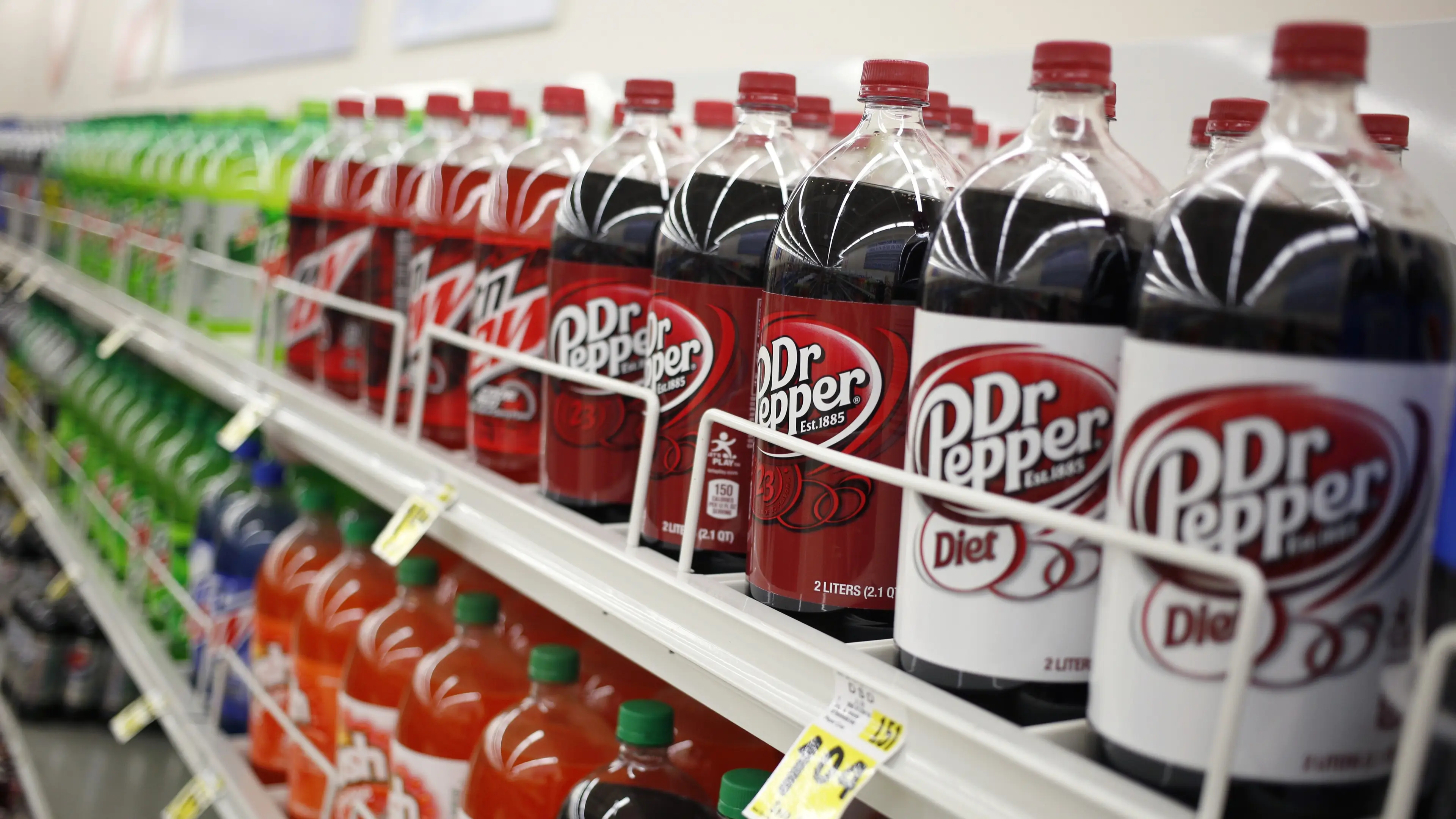
SNAP bans on candy and soda explained as five US states roll out new restrictions on popular products

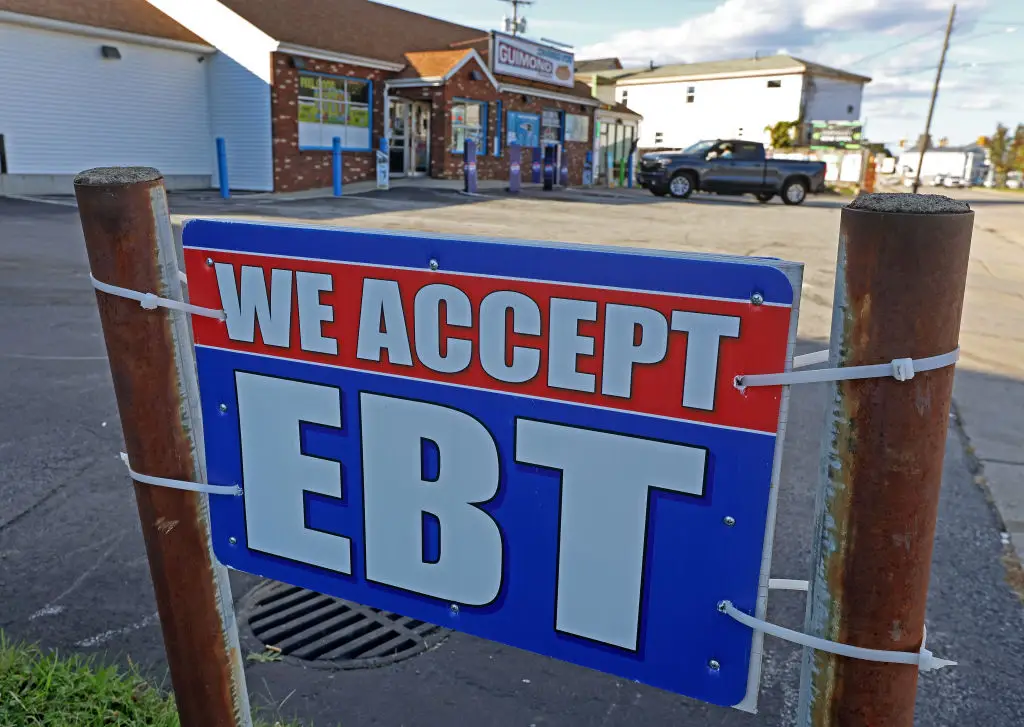
Americans on SNAP benefits will face new restrictions on certain foods in five US states from today (January 1).
Some 42 million people in the US rely on the Supplemental Nutrition Assistance Program, which provides low-income individuals and families with monthly benefits to supplement their food budgets.
The benefit is loaded onto EBT cards, which work like a debit card, helping people to afford healthy and nutritious food.
As we enter a new year, several states are changing the rules on what people using SNAP food benefits can actually buy.
Advert
Items like candy and soda will no longer be allowed in some places.
The new bans start on New Year’s Day in five states; West Virginia, Utah, Indiana, Iowa, and Nebraska.
The changes are being pushed by Health Secretary Robert F. Kennedy Jr. and Agriculture Secretary Brooke Rollins, who argue that public money shouldn’t be used to pay for unhealthy food that contributes to problems like diabetes and other long-term illnesses.
“We cannot continue a system that forces taxpayers to fund programs that make people sick and then pay a second time to treat the illnesses those very programs help create,” Kennedy said in a statement in December.
Until now, people on SNAP could buy most grocery items, except things like hot food, alcohol, tobacco and supplements.
But eighteen states have now asked for permission from the federal government to expand the list of banned foods and drinks.
What is being banned in the five US states?
What’s being banned varies by state, as per the BBC.
West Virginia and Utah are banning only soda, while Nebraska is cutting back on both soda and energy drinks.
Indiana is banning soda and candy for people on SNAP.
But it's Iowa which is implementing the strictest rules so far. Soda, candy and other packaged foods that are taxed by the state, such as chocolate-covered nuts and sweet popcorn, are banned as of the new year.
More states will introduce similar restrictions as 2026 continues, including Florida and Texas in April, South Carolina in August and Missouri in October.
'A disaster waiting to happen'
Experts say SNAP systems are not technically ready for the new rules.
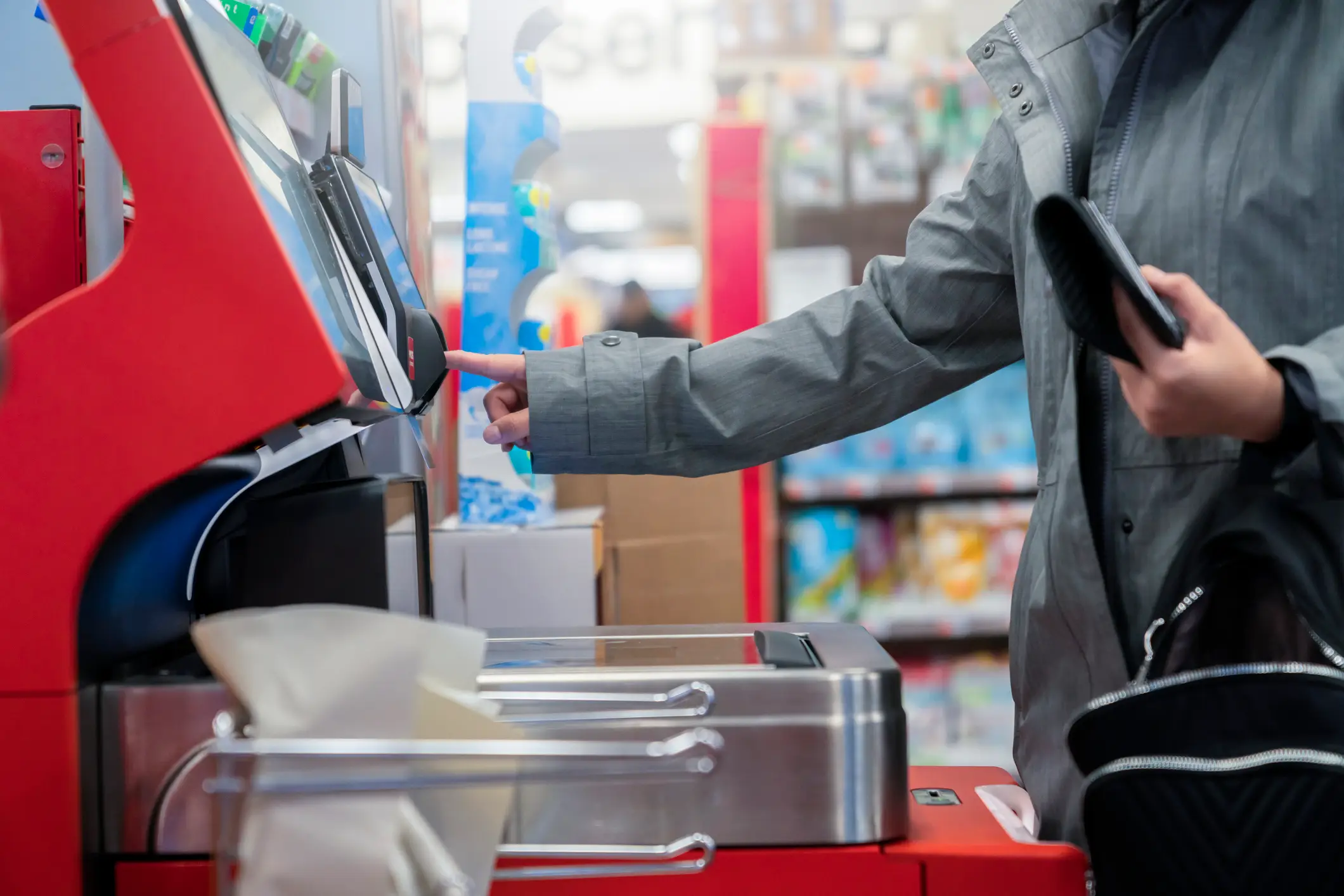
Retailers rely on checkout software that identifies eligible SNAP items, but there are no uniform, up-to-date lists of banned foods, and the rules differ by state.
The National Retail Federation has warned that this will likely lead to longer queues and more customer complaints, as shoppers only discover an item is banned when it’s scanned. “It’s a disaster waiting to happen of people trying to buy food and being rejected,” said Kate Bauer, a nutrition science expert at the University of Michigan, via ABC News.
Industry groups also say the changes will be expensive for retailers. A report by the National Grocers Association and other trade bodies estimates it would cost U.S. stores $1.6 billion upfront to update systems and processes, plus $759 million every year to maintain them. Those costs, advocates argue, won’t be absorbed by companies alone and are likely to be passed on to shoppers through higher grocery prices.
“Punishing SNAP recipients means we all get to pay more at the grocery store,” said Gina Plata-Nino, SNAP director at the Food Research & Action Center.
Topics: US News, Food and Drink, Health, Money, Politics
 Ellie Kemp