7 things that have been hit the hardest by inflation over the last 25 years

A survey has looked at the things which have been hit the hardest by inflation, and it's not good news.
Inflation affects the prices of everything we buy, but some things can be more affected by it than others.
This might be for a huge variety of reasons, often specifically related to the product or service in question.
It's no secret that the period between 2000 and 2025 saw big increases in the US, with the cost of living rising while wages have not risen in line with it, meaning it's more expensive to just get by.
Advert
But while you might expect things like luxury consumer goods such as TVs, computers, or smartphones to be high on the list, it's sadly not luxury items which make up the top seven most affected things in the period between 2000 and 2025, according to website Visual Capitalist.
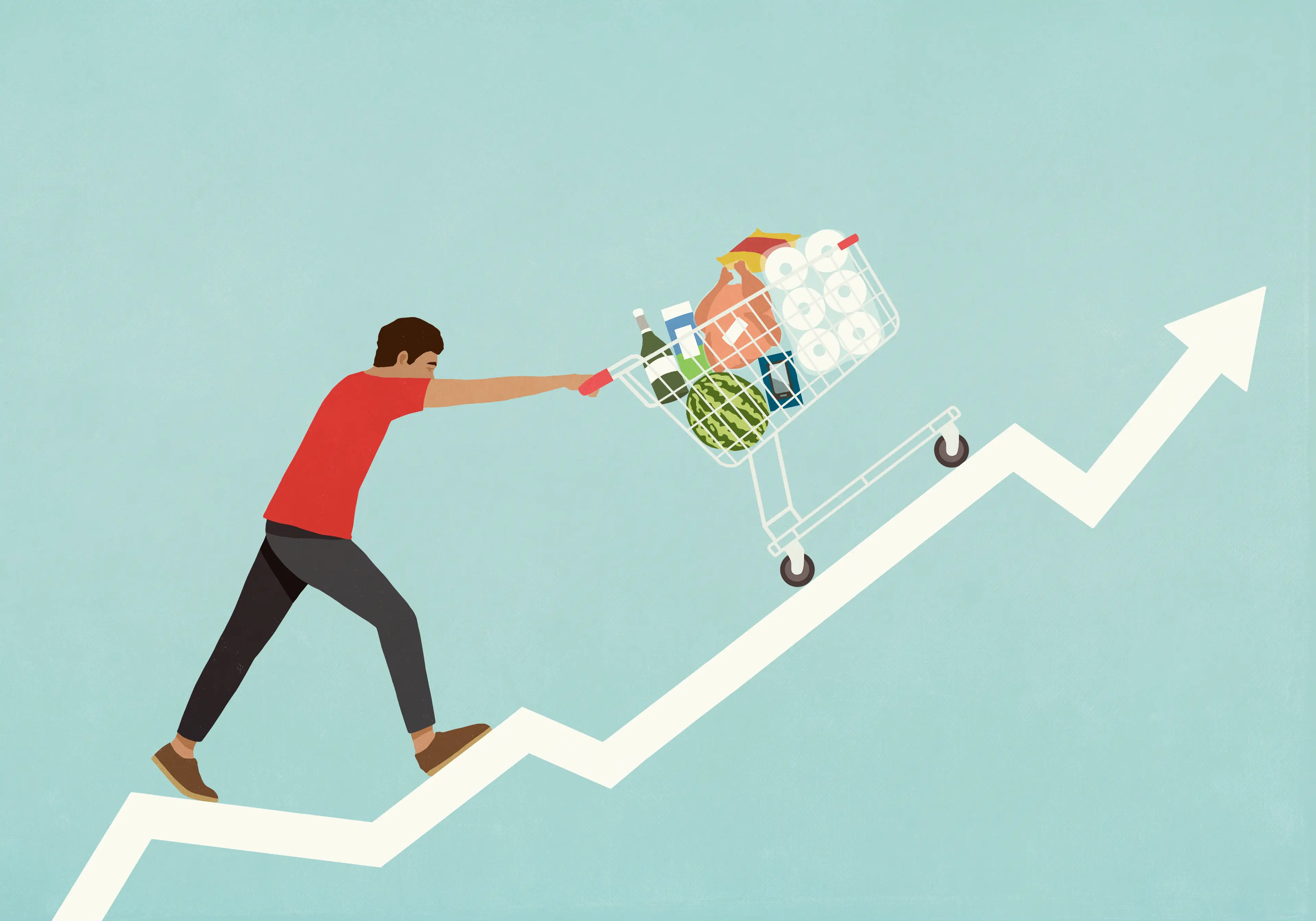
The data comes from the Bureau of Labor Statistics, and shows that in fact, the top seven worst-affected things in the US are pretty much all essential things for people to be able to just live their lives, and all of these have risen faster than inflation.
Right up at the top is something you literally need to live - hospital services.
This has risen by a whopping 275 percent over the last 25 years, far more than the average US increase of 92 percent.
Next up is getting an education, as college tuition and fees have risen by 196 percent over the same period.
For the next one, more people now are choosing not to have children, and affordability is one reason for that, with childcare costs having risen by a whopping 185 percent since 2000.
Medical care is in fourth place, having gone up by 129 percent, adding to the health costs already rising in hospital services.

Increasing numbers of younger people are also stuck renting now, with housing costs having risen by 111 percent since 2000, leaving many people stuck renting.
Medicine is one thing to make sure that you can get the help you need when you need it, but the next essential is a more day-to-day need - food and drink.
Between 2000 and 2025, the cost of putting food on the table has risen by 104 percent.
Finally, in the vast majority of the US having a car is more or less essential to be able to get around proper, but the cost of new & used vehicles has risen by 25 percent.
Interestingly, over the same period the cost of consumer items has even dropped relative to inflation, with TVs coming it at -98 percent, and computer software at -75 percent.
So while things that might be considered to be 'luxury' items have been affected less, it's the necessities of life which have risen the most sharply.
 Kit Roberts