The four presidents assassinated in office as Trump says why he was targeted

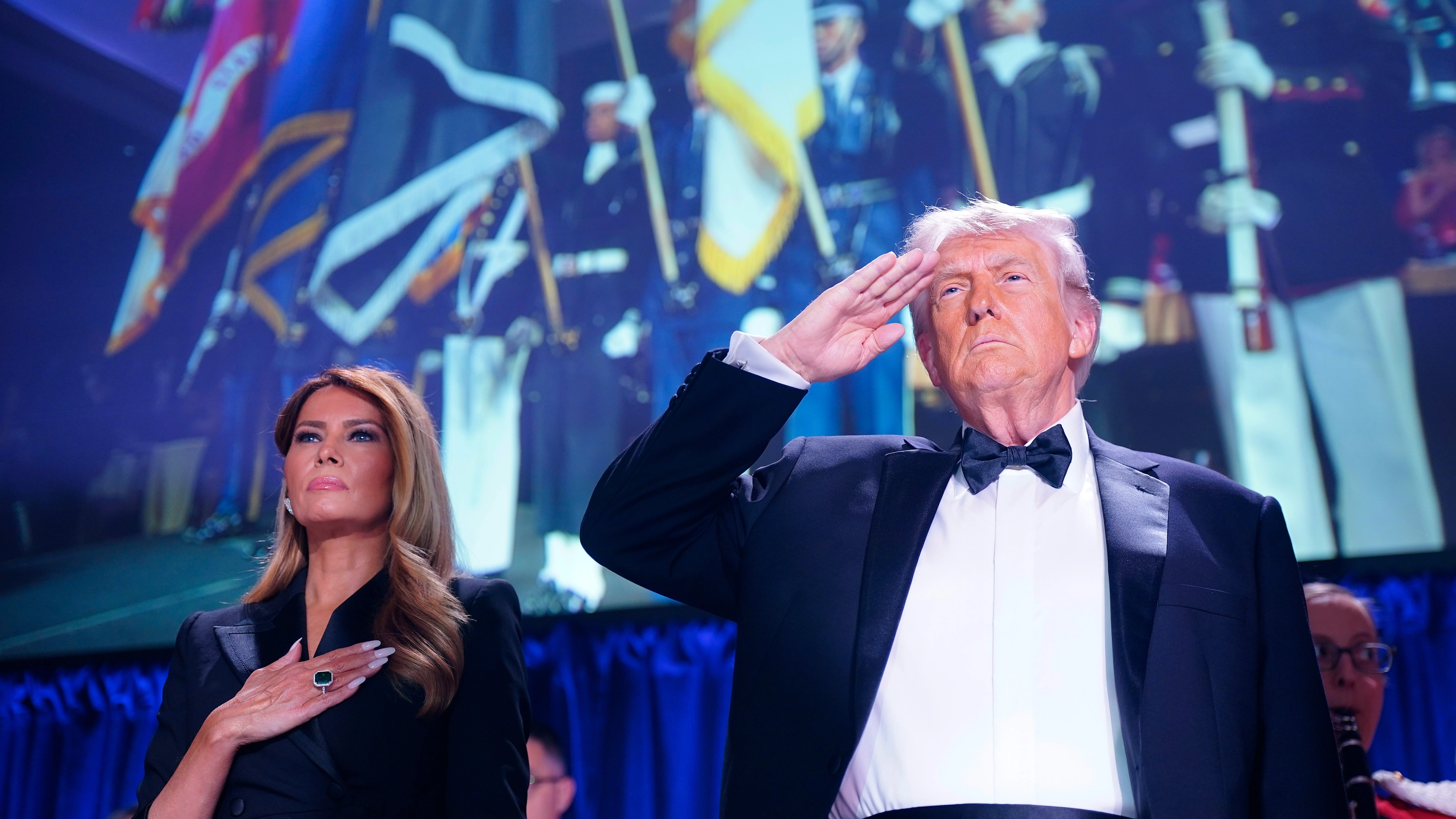
A shooting at the White House Correspondents' Dinner marked yet another instance Donald Trump has been present during gunfire, leaving the Command-in-Chief in a pensive mood while speaking after the attack.
Violence has sadly been a part of political life in America since the Civil War, with every leader facing a number of attempts on their life. But speaking on Saturday, Trump said he was 'honored' that assassins thought he was as impactful as the four presidents who have been killed in office.
Trump said: “I’ve studied assassinations and I must tell you, the most impactful people - the people that do the most... the people that make the biggest impact, those are the ones they go after.
“They don’t go after the ones that don’t do much because they like it that way. When you look at the people... whether it was an attempt or successful attempt, they’re very impactful people... They’re big names."
Advert
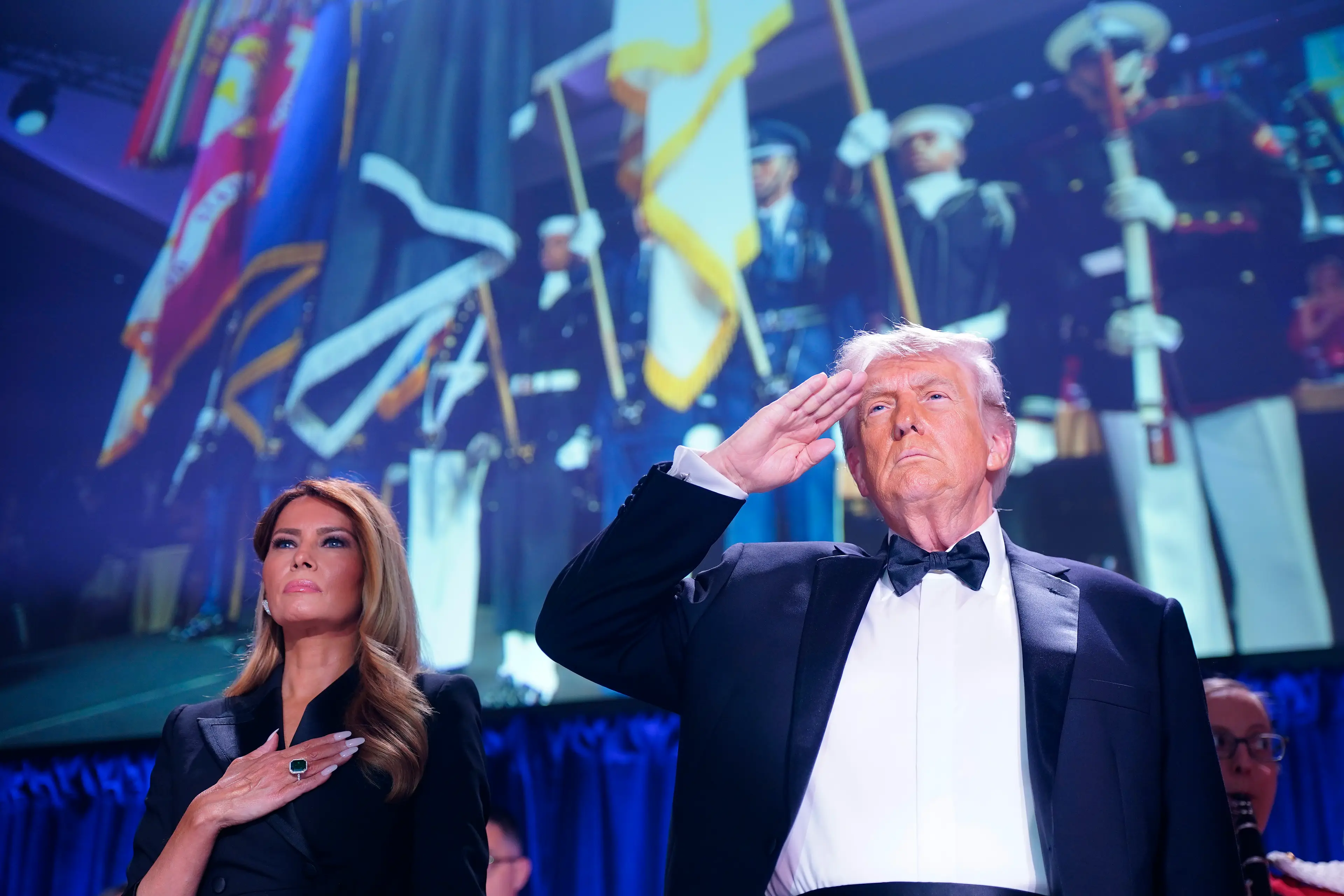
He continued: “I hate to say I’m honored by that but I’ve done a lot. We’ve taken this country and we were a laughing stock for years, now we’re the hottest country anywhere in the world. We've changed this country and there’s a lot of people that are not happy about that.”
But whether the other victims of presidential assassinations were killed because they had the 'biggest impact' may depend on your perspective of the four Commanders-in-Chief who have been killed in office.
Abraham Lincoln - April 14, 1865
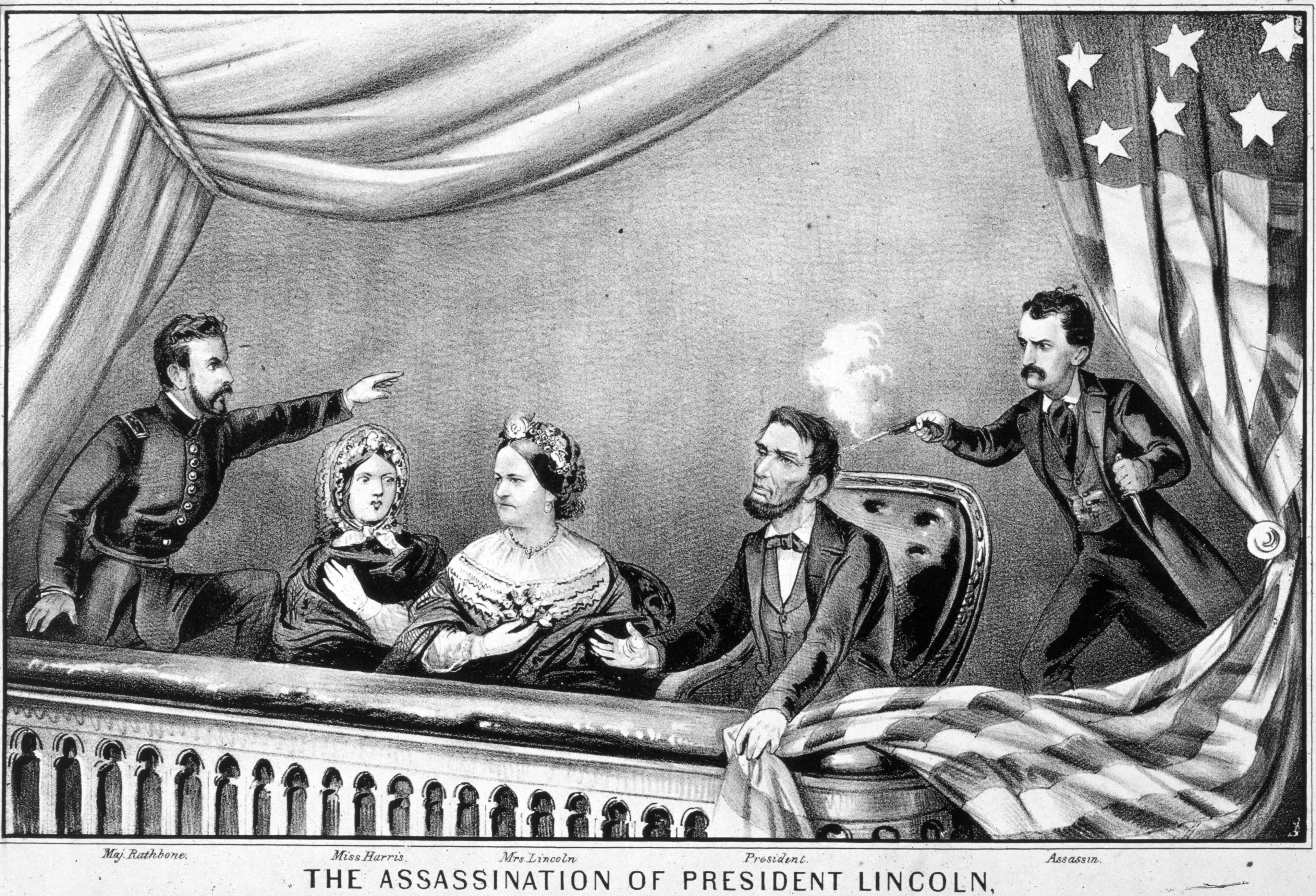
Having changed the face of American politics forever, smashing the Confederacy in the bloody Civil War and abolishing slavery, Lincoln did not lack for haters back in his day.
In fact, by the time he was shot in the head by assassin John Wilkes Booth at Ford's Theatre in the nation's capital, he had already survived half a dozen serious attempts to kill or kidnap him.
Booth and his co-conspirators believed in the Confederate cause, despite southern General Robert E Lee surrendering four days prior. Their murder of 'Honest Abe' did as much as his Gettysburg Address to cement his anti-slavery and popular democracy views among northern politicians.
However, some historians have argued that the loss of Lincoln's moderating presence in later negotiations through Reconstruction may have led to the racist Jim Crow laws that would plague former slave states for generations.
Lincoln would die nine hours after being shot, with the president being moved across the street in the aftermath of the assassination. He died on the morning of April 15.
James Garfield - July 2, 1881
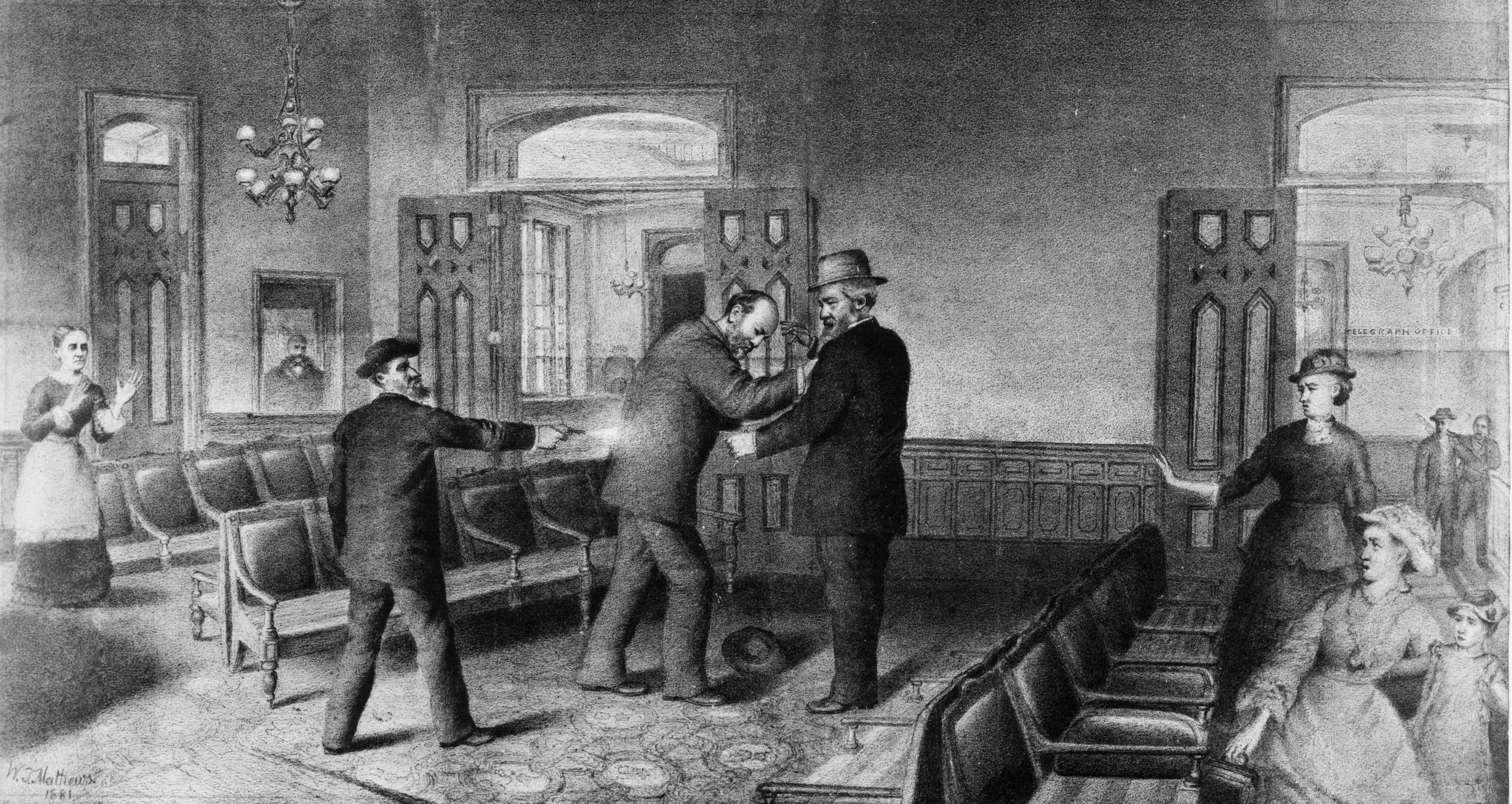
James Garfield was shot in the back twice by a mentally ill man who considered himself a supporter of the president, falsely believing that he had been pivotal in getting the former Civil War general elected as Commander-in-Chief.
Garfield had only given up his military commission at the urging of President Lincoln, who asked him to take his own seat as the country urgently needed better legislators, not generals.
Killer Charles Guiteau believed that he deserved an ambassadorship for his non-existent role in the campaign, and when he didn't get it he decided to shoot the president - just 200 days into the first year of his first term.
However, what truly killed Garfield was not necessarily this assassin's bullet, but the medical treatment he received after being shot. Multiple doctors working on Garfield attempted to remove the bullets lodged in his body.
Using their fingers and pre-modern medicine, they turned his three-inch wound into a 20-inch one. This cause an infection and for the president to develop sepsis, with him ultimately dying on September 19, 1881.
Almost a year later, Guiteau would be executed by hanging, but in his trial he said: "I did not kill the President. The doctors did that. I merely shot him."
William McKinley - September 6, 1901
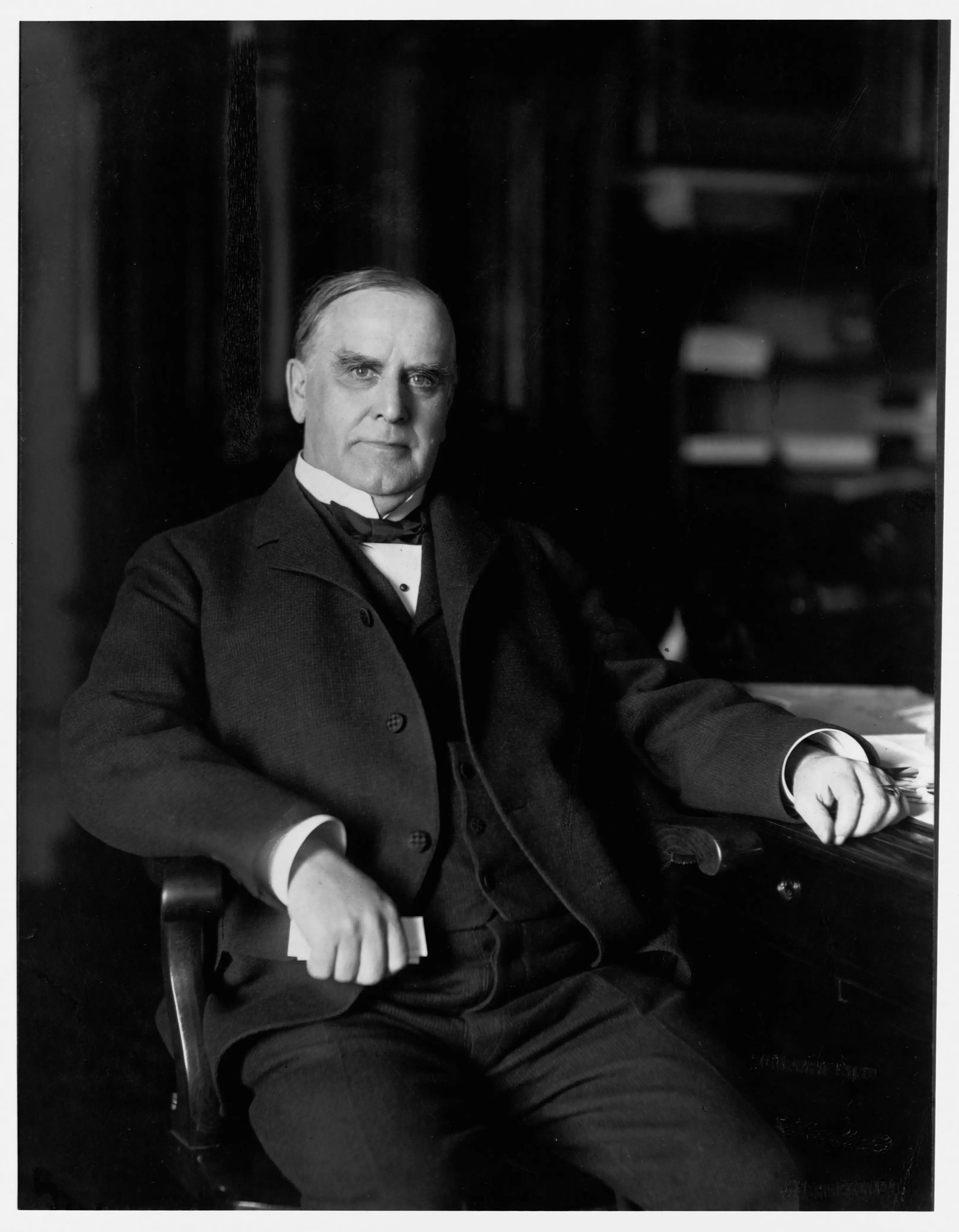
McKinley had also served in the Civil War, but his biggest military victories were in office, successfully putting an end to the Spanish–American War in 1898, liberating Cuba and also acquiring Puerto Rico, Guam, and the Philippines as US territory.
While imperialists praised this expansionism, many at the time, including Mark Twain, believed it violated some of the democratic principles on which the union was founded. Equally, he did nothing to prevent the resurgence of de jure and de facto segregation in the south.
He also allowed a massive consolidation of wealth and industry at the turn of the 20th century, something future presidents like Theodore Roosevelt would have to spend years unpicking.
His term would be cut short however, when anarchist Leon Czolgosz would fire two shots at him using a concealed .32 caliber handgun at the Pan-American Exposition in Buffalo, New York.
McKinley would not die immediately from these wounds, instead, like Garfield, he would later from complications. In his case, gangrene that set in after doctors, once again, could not find and remove the second bullet.
He died of septic shock on September 14. Czolgosz was executed by electric chair 45 days after the shooting.
John F Kennedy - November 22, 1963
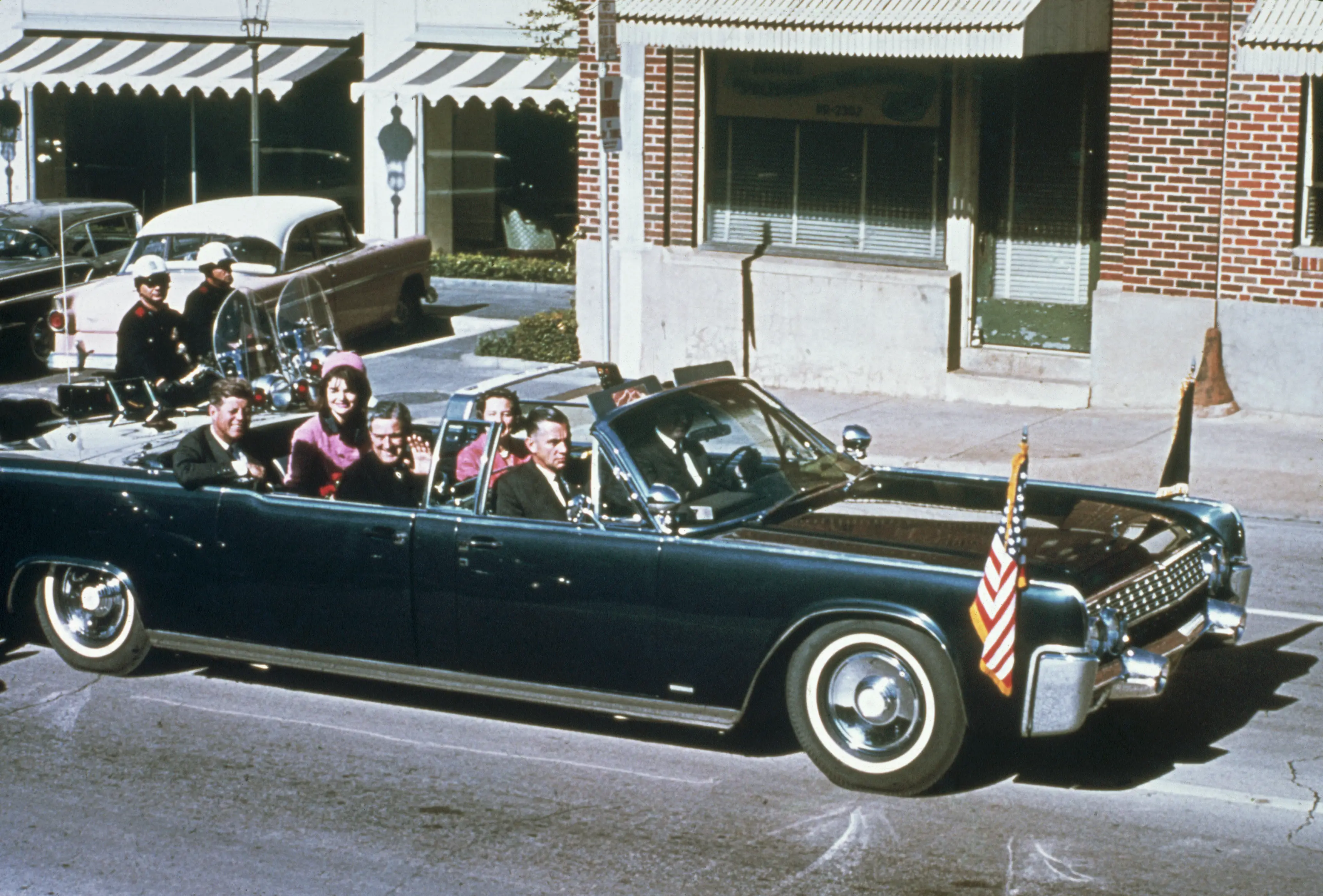
The public assassination of President John F Kennedy sent shockwaves across American society, but also paved the way for some of the policies he dreamed of in his 'big society' to be passed by his vice president.
This included the landmark Civil Rights Act of 1964, which finally dismantled much of the remaining legal framework of the Jim Crow south by outlawing discrimination based on a person's race, colour, religion, sex, or ethnicity.
In office, JFK was able to steer the country through some of the most tense moments of the Cold War, including the potential armageddon threatened by the Cuban Missile Crisis in 1962, although this threat did follow his failed Bay of Pigs Invasion of Cuba in 1961.
However, it was his murder that had the greatest effect on civil society, sparking widespread conspiracy theories for more than half a century about who was behind it, and why Lee Harvey Oswald was the only person to ever be linked to the killing.
He was the only president to have been assassinated and not served in the Civil War.
Topics: Donald Trump, US News, Crime
 William Morgan