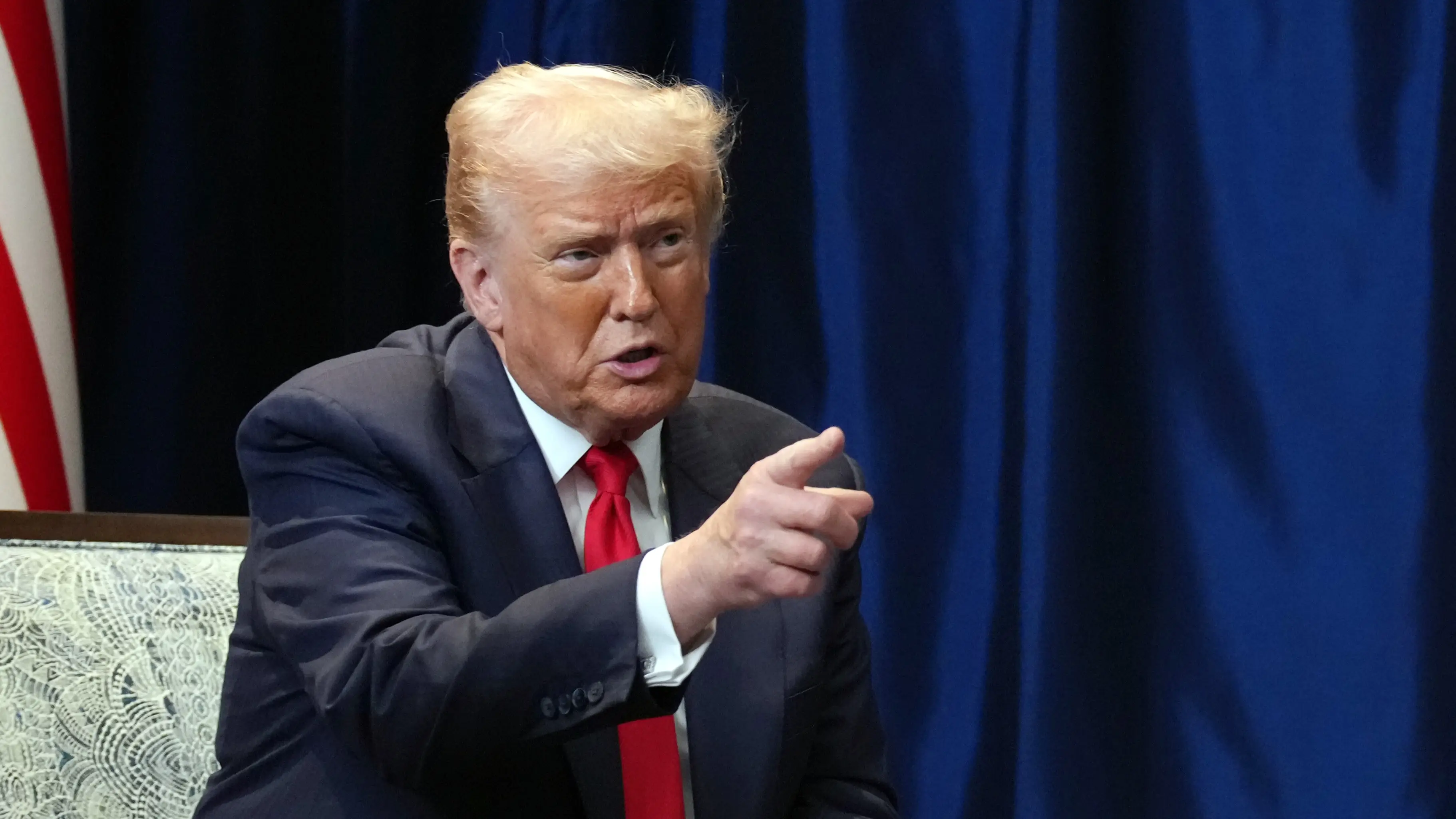
Trump boldly claims he 'saved the entire world from depression' with his controversial tariffs

With Donald Trump's term-defining trade tariffs on US imports facing an uphill battle in the Supreme Court this week, the president has started bragging that his global trade war has saved the entire world from a crippling depression.
While the White House's controversial and confrontational trade policy has kept international negotiators and trade delegates busy for much of the year, Trump's claim to have prevented a worldwide depression refers to an economic slump that many experts have predicted is on the cards.
In an interview with Fox News' Bret Baier, the 79-year-old president claimed, 'If I didn't have tariffs [...] the entire world would be in a depression,' as he backed the landmark policy of his second term's inaugural year, which he also claims to have raised 'hundreds of billions' in revenue for his administration.
Advert
More than $200bn has been raised from the tariff war so far, over twice the amount raised in 2024. While the White House has often maintained that these tariffs are on other countries, this huge increase in federal revenues has come entirely from domestic US businesses and individuals, as Trump attempts to bring more manufacturing jobs back from overseas.
When Baier asked if he was 'worried' about the possibility that the Supreme Court could strike down his novel use of emergency presidential power to impose sweeping economic tariffs, Trump remained bullish about his chances.
He said: "I heard the court case went well, but I just heard that a little while ago… But I will say, this - it would be devastating for our country if we lost that, devastating."
However, reports from the conservative-packed court indicate that the administration's keystone legislation is facing considerable peril, with officials warning of likely economic calamity on the scale of the Great Depression if a majority of the nine justices back the lower courts' rulings that Trump has overstepped his executive authority.
The White House's legal backing for their widespread tariffs against hundreds of countries, including friendly allied nations, is an interpretation of the 1977 International Emergency Powers Act.
This legislation was initially implemented by Congress to curtail the president's power over international trade. It had never been used to implement tariffs before Trump initiated his trade war less than a month after his inauguration.
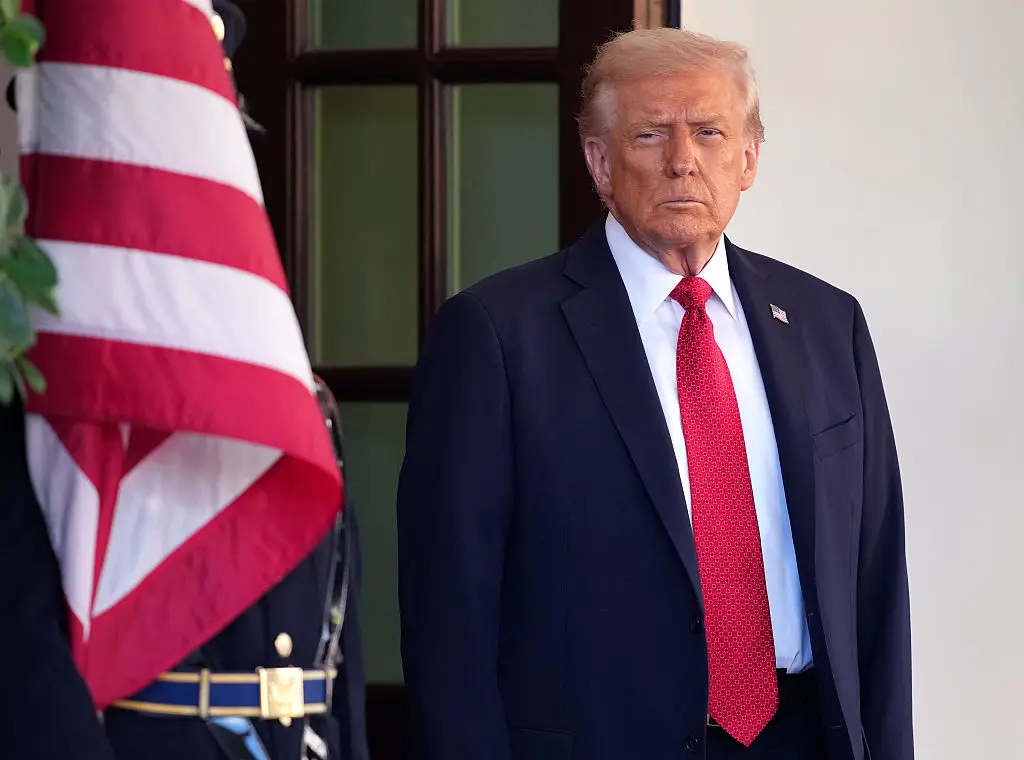
Yesterday, Wednesday, November 5, a majority of the Supreme Court appeared to question the administration's authority to bring in such sweeping international trade policy without the approval of Congress, grilling Trump's legal counsel about executive overreach.
Georgetown University Law Center professor Stephen Vladeck told the NY Times that the outcome of this case will have 'massive implications' on the US economy, but will also function as a 'harbinger of the court's relationship with the administration more broadly,' as even conservative-leaning justices baulk at Trump's ever-expanding executive power.
Yet, with a final decision from the Supreme Court likely to take months, Trump's immediate danger is from the increasingly negative public perception of his tariff war and wider economic agenda amid grinding price increases and affordability concerns.
These issues were center stage at the off-year elections on Tuesday, when Democratic candidates from New York to Virginia outperformed their Republican opponents, with voters turning up in droves to register their anger over the continuing cost of living pressures facing millions of American families.
Topics: Donald Trump, Court, Tariffs
 William Morgan