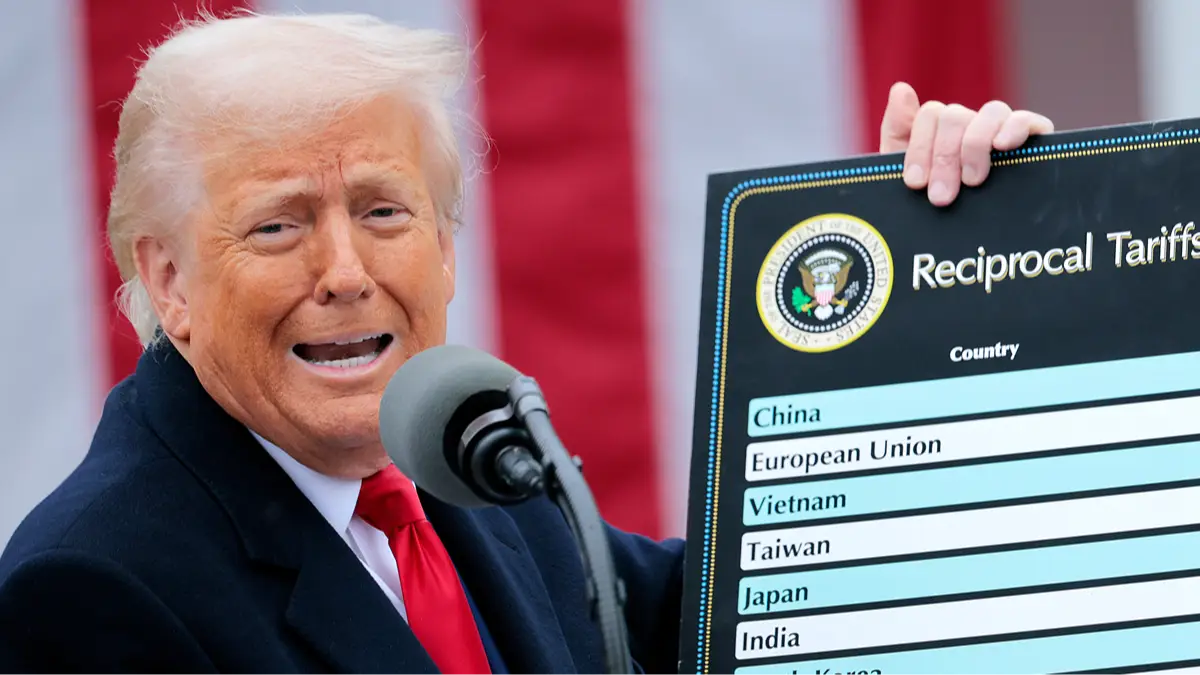
Shocking 2025 data reveals true impact of Trump's tariffs across the globe

Data has revealed the shocking impact of Trump's tariffs around the world.
Tariffs have been at the center of Trump's policy since he won the 2024 presidential election.
Since Trump re-entered the White House, US import taxes are now at their highest level since the 1930s.
This has already had a knock on effect for people living in the US, who are already facing a rising cost of living as companies pass the cost of the import taxes onto consumers.
Advert
Unsurprisingly, the largest economy in the world deciding to impose a load of tariffs on imports and exports has had an extremely wide impact around the globe, with many other countries already feeling the pinch of Trump's isolationist policies.
Doing business with companies based in the US has suddenly become a lot more expensive, and despite some countries negotiating deals with the Trump administration to avoid the worst of the tariffs, these graphs reveal just how painful the policy has been around the world.
Countries seeing their economies shrink
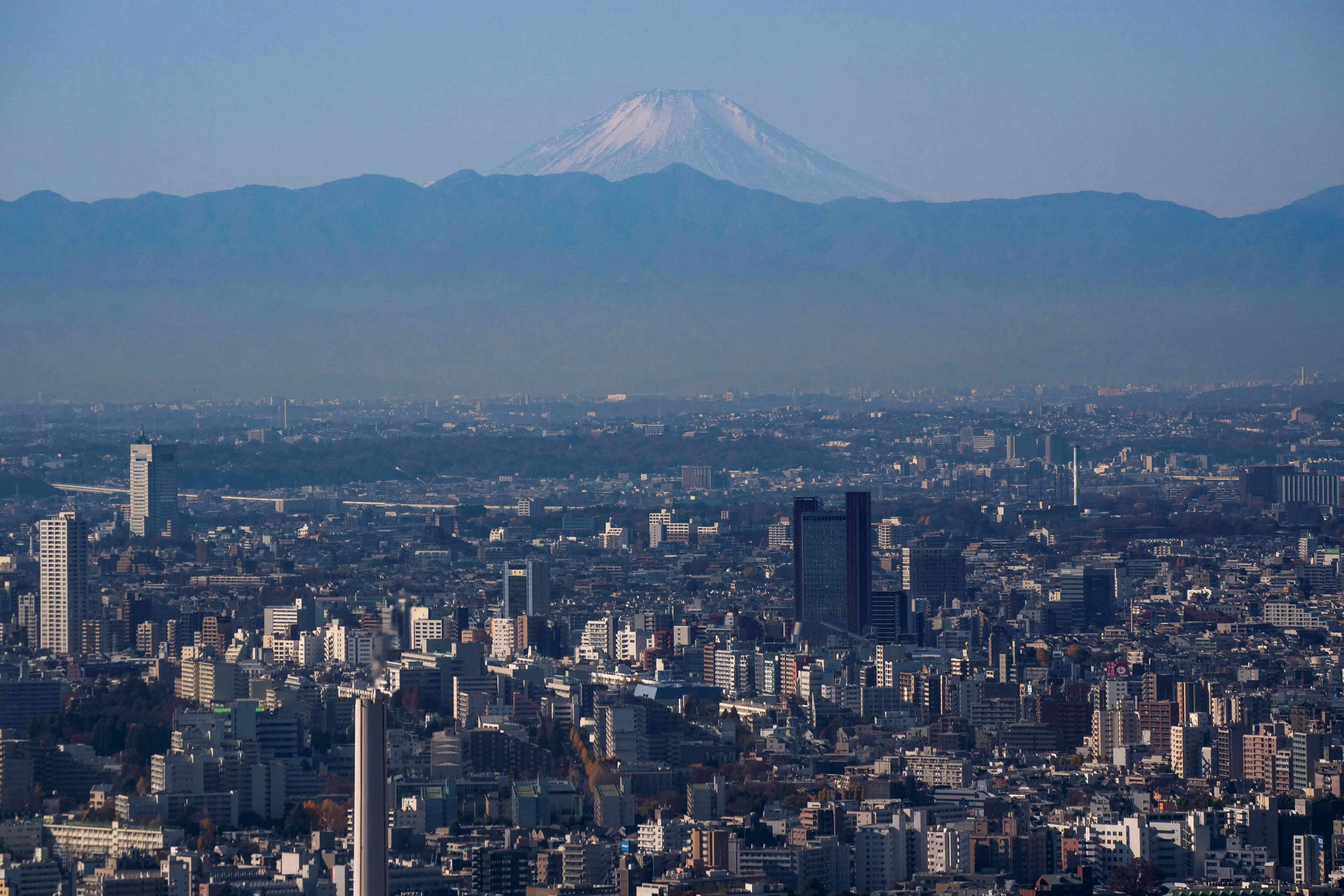
First up, let's have a look at Japan, Switzerland, and Mexico, all of which have seen their economies taking a hit following US tariffs.
The gross domestic product (GDP) of Switzerland fell by 0.5% between July and September 2025.
GDP is the total value of all the goods sold and the services provided in a given area, so it going down means that less goods and services are being sold.
The same also happened in Japan, which saw its GDP drop by 0.4 percent, and Mexico, which saw a drop of 0.3 percent over the same period.
For context, all three of these countries had seen their GDP growing, so more goods and services being provided, in the period before the tariffs began to bite.
Coffee Conflict
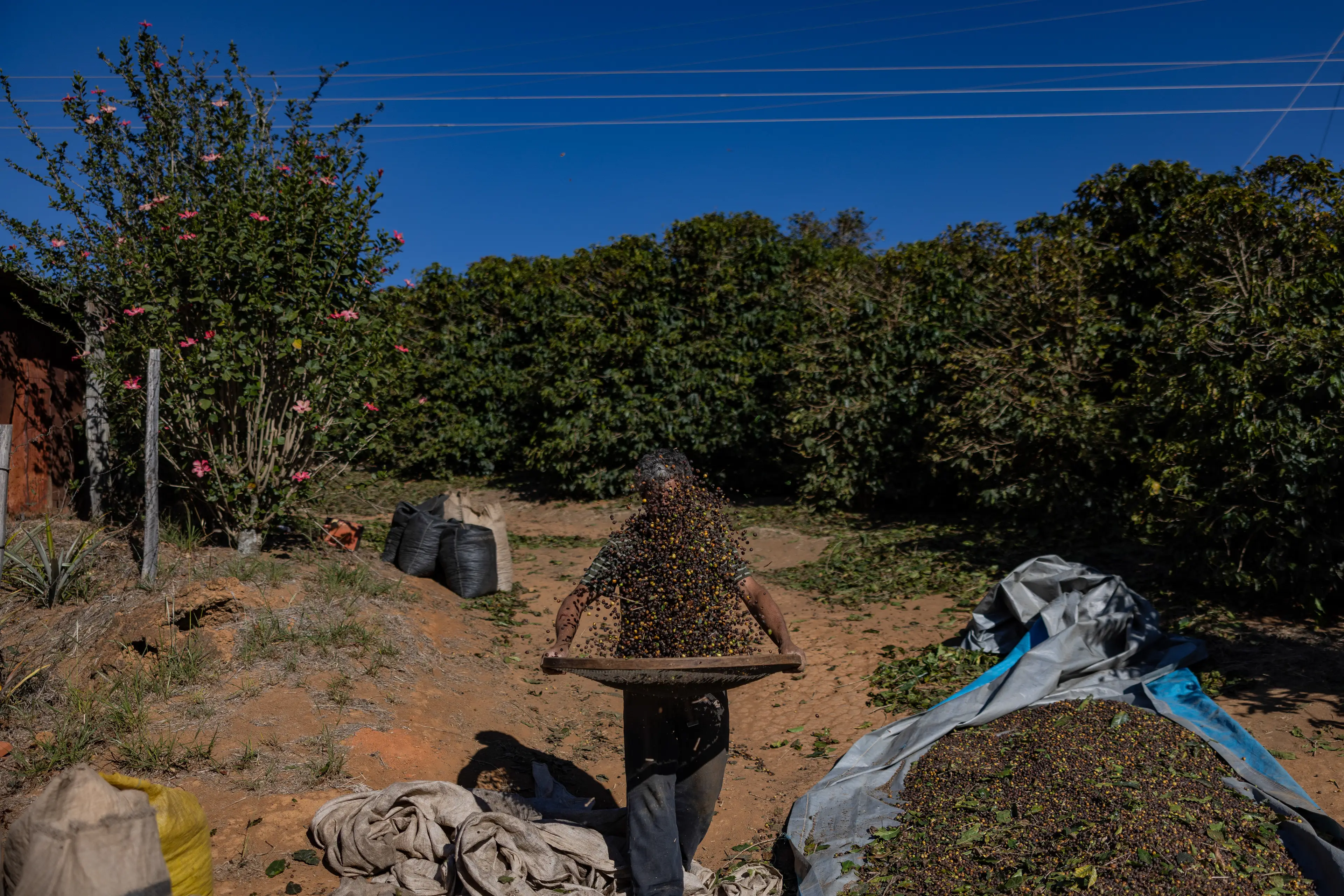
Next, let's have a look at coffee, which the US does not have the climate and conditions to be able to produce domestically on a scale that would meet the country's demand.
Brazil is the largest coffee exporter, and has recently had significant political tension with the US after Trump publicly condemned the imprisonment of its former president Jair Bolsonaro over an attempted coup.
The US is the biggest overall buyer of Brazilian coffee, and between August and mid-November Brazilian coffee exports to the US were hit with a whopping 50 percent tariff, effectively meaning that someone paying say $100 for a bag of beans would have to pay $150.
Coffee is a multi-billion dollar business in Brazil, accounting for 1.8 percent of the country's $2.18 trillion GDP and around 3 percent of its workforce being employed by the industry.
Over the first 11 months of 2025, Brazilian coffee exports to the US fell by some 30 percent compared to the same period in 2024.
Manufacturing in Canada
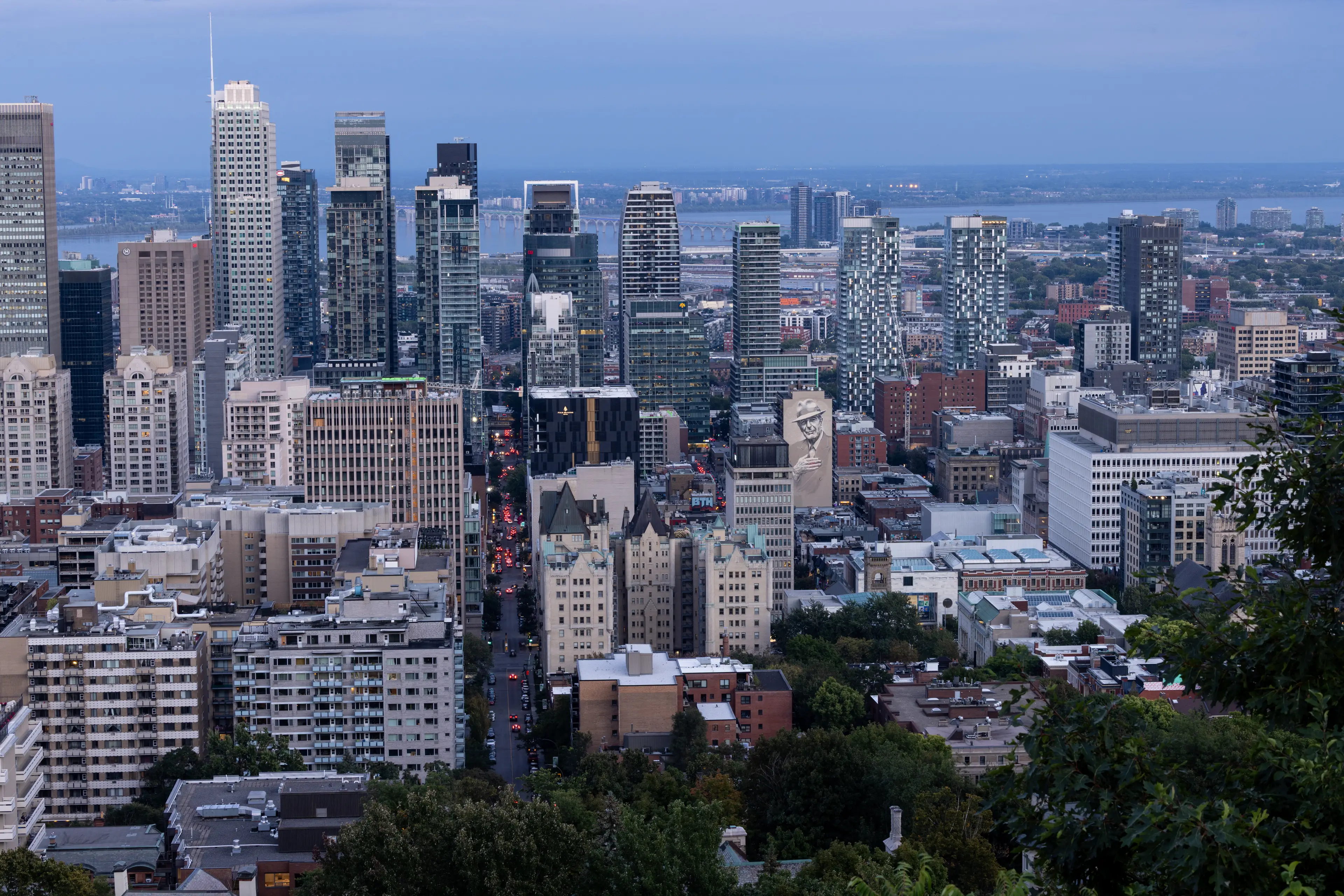
Some 36,500 jobs have been lost in Canada's manufacturing sector since the start of 2025.
This has taken the number of people employed in the sector down to its lowest level since September 2021, when the world was hit by the coronavirus pandemic.
In September, Canadian Manufacturers & Exporters said: “Manufacturing has been among the hardest hit by US tariff actions."
Job losses came as exports to the US plummeted.
Topics: News, US News, Donald Trump, Politics
 Kit Roberts