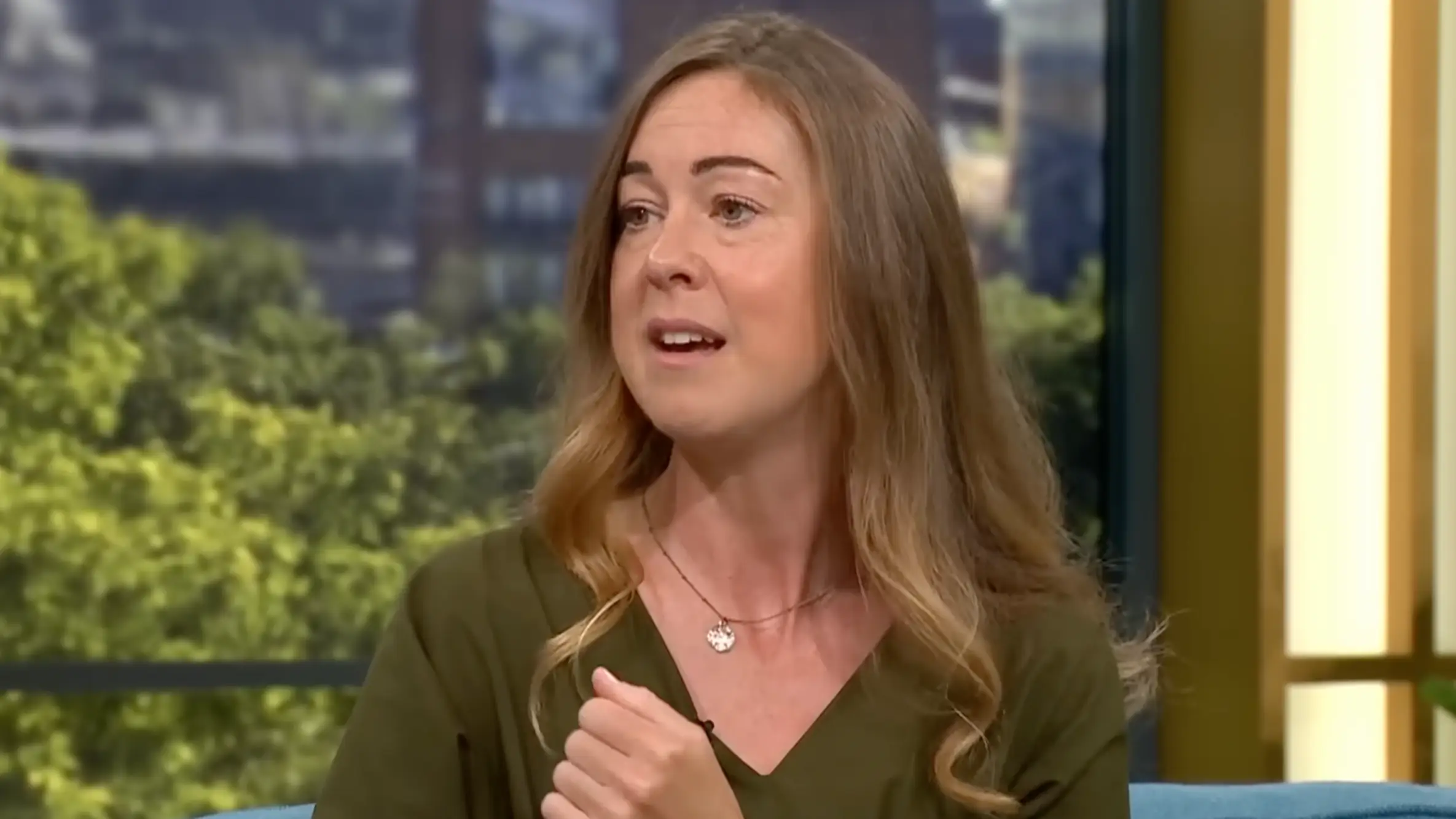
Woman who was bitten by a shark recalls chilling moment she knew freediving would 'end with a bite'

A woman has opened up about how she 'fought off' a shark who bit off part of her arm, as she detailed the moment she realized the encounter was likely to 'end with a bite'.
Helen Fairlamb is one of just 550 people who have survived an encounter with an apex predator, after being bitten by a reef shark in 2024 while free diving off the coast of a remote island southeast of Hawaii.
The conservationist appeared on ITV's This Morning as she documented the experience, in which she nearly lost her life.
Despite claiming that this specific type of shark is a 'minimal threat', the survivor recalled the moment she realized the animal was about to attack her.
Advert
She explained: "So, I was free diving on a breath hold just looking at a school of unicorn fish just immersed in an environment that I love.
"And I noticed some movement out of the corner of my eye, and a reef shark had whipped around quite quickly, and then her style of swimming changed completely and she just very directly moved efficiently like a bullet almost towards me.
"I knew that it was likely going to end with a bite."
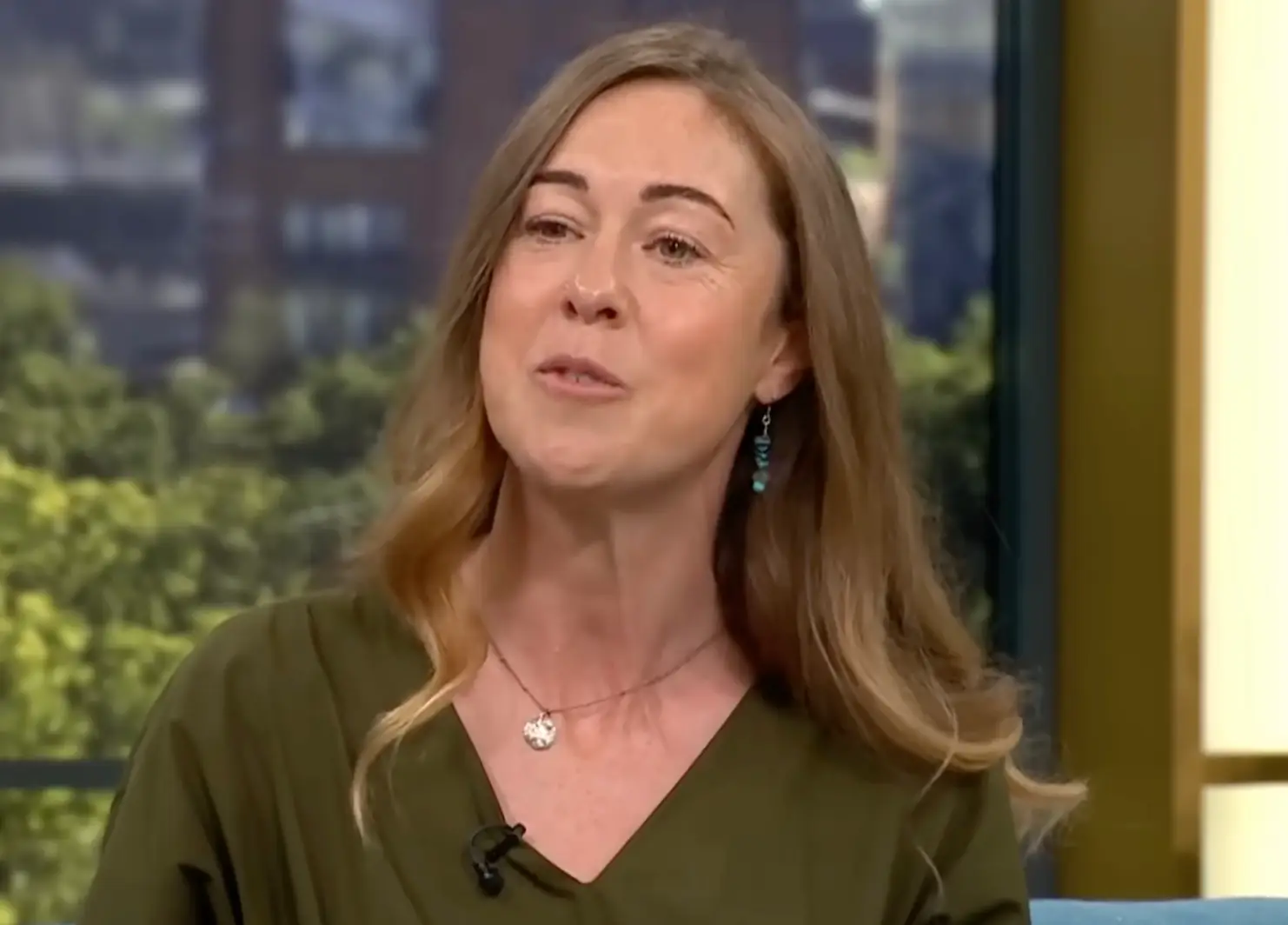
Recalling the moment she was attacked, Fairlamb added: "She bit me on my upper arm and kind of shook me, so I just hit at the sensitive areas (eyes, nose, and gills), and the shark released."
Fairlamb noted that it is incredibly rare for reef sharks to attack humans, but concluded that the particular shark that injured her was pregnant at the time and 'protective of her future young'.
She was paddled back to land by her colleagues as she bled profusely, a journey which took around an hour and 20 minutes, by which point Fairlamb noted she had begun to 'fade out'.
"A medic was there immediately and he was phenomenal in getting IV access and increasing my blood pressure from a dangerously low level," she explained.
"But I do remember him saying this is a life over limb situation, 'you're probably going to use lose your arm here'."
Luckily, a large plane was in the vicinity of the island and happened to radio down, which transported her to Guam Regional Hospital.
She remained in intensive care for three weeks, before she was able to fly home to the UK and continue her treatment at the Greater Manchester Major Trauma Hospital.
Fairlamb was told at the trauma hospital that she would need to have her arm amputated, but just a day before she was due to undergo the life-changing surgery, doctors proposed an alternative.
"They said, 'look if you can tolerate the pain then let's see if you can keep the arm for a little longer, who knows what the healing capability of the body is'."
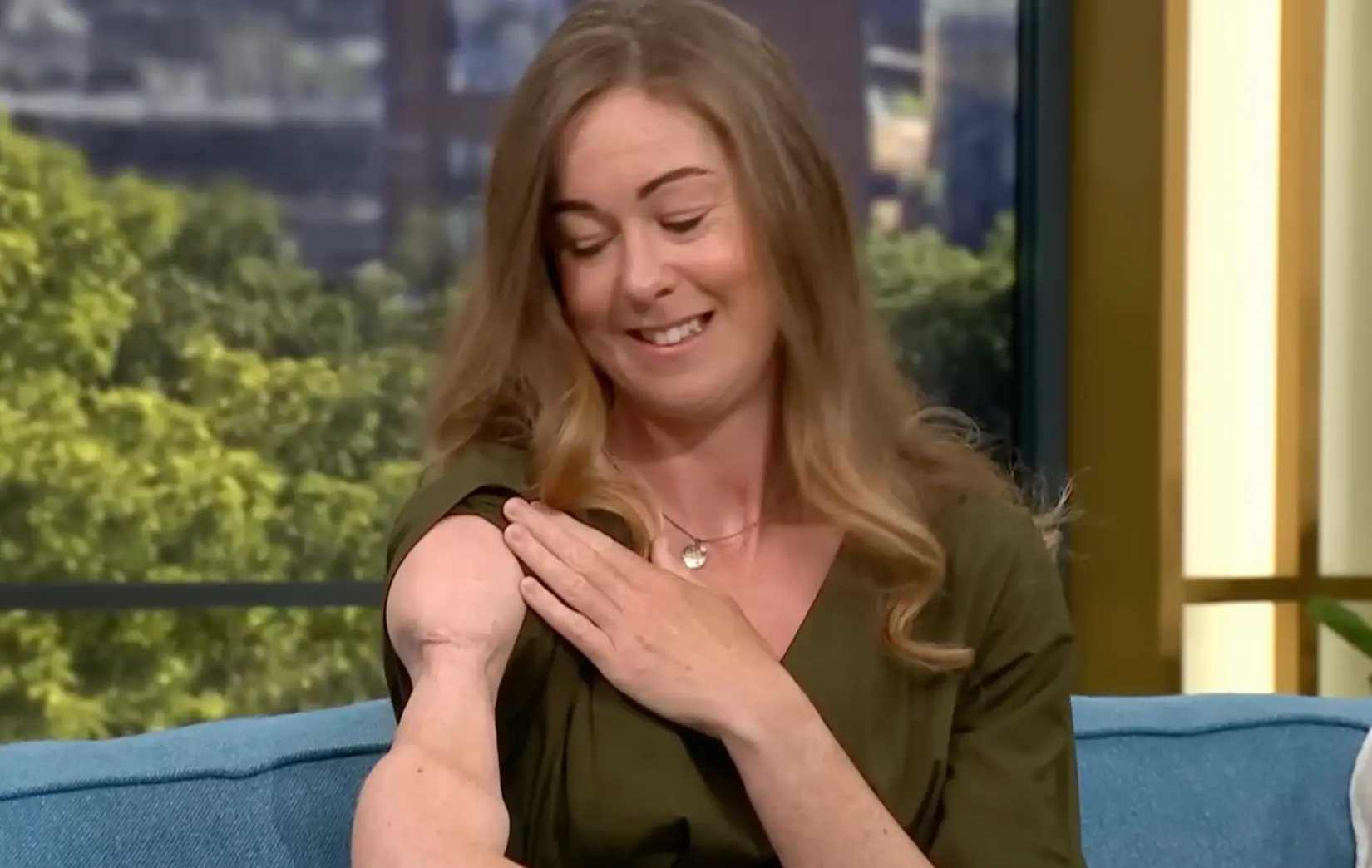
The conservationist was able to keep her arm, but revealed that she had lost half of her bicep in the process.
"I've been incredibly lucky," she added.
Topics: Life, Animals, Shark, This Morning, Environment
 Mia Williams