
Woman, 23, left with brutal side effects after spending over $40,000 on ketamine addiction

Warning: This article contains discussion of drug addiction which some readers may find distressing.
A young woman has been left with permanent bladder damage after spending over $40,000 on a ketamine addiction since she was a teen.
Ellie Wight's drug journey started when she was 16, by smoking weed every day, before switching to ketamine two years later as it was cheap and easy to access.
She said it made her feel 'warm' and 'nice', helping her achieve a sense of calm.
Advert
It started just at weekends, but soon she was secretly taking it daily, and she sank to just 5st 10lbs (just over 36kg) after the drug robbed her of her desire to eat.
After getting rapidly addicted to the powerful drug, her addiction saw her spending around $46,000 over a period of two years and left with a condition known as 'ketamine bladder'.
At her worst, Ellie from Aberdeenshire, Scotland, was taking 3.5g every day for $53 a day.
Five years later, at 23, Ellie is now living with permanent damage to her bladder caused by repeated use of ketamine.
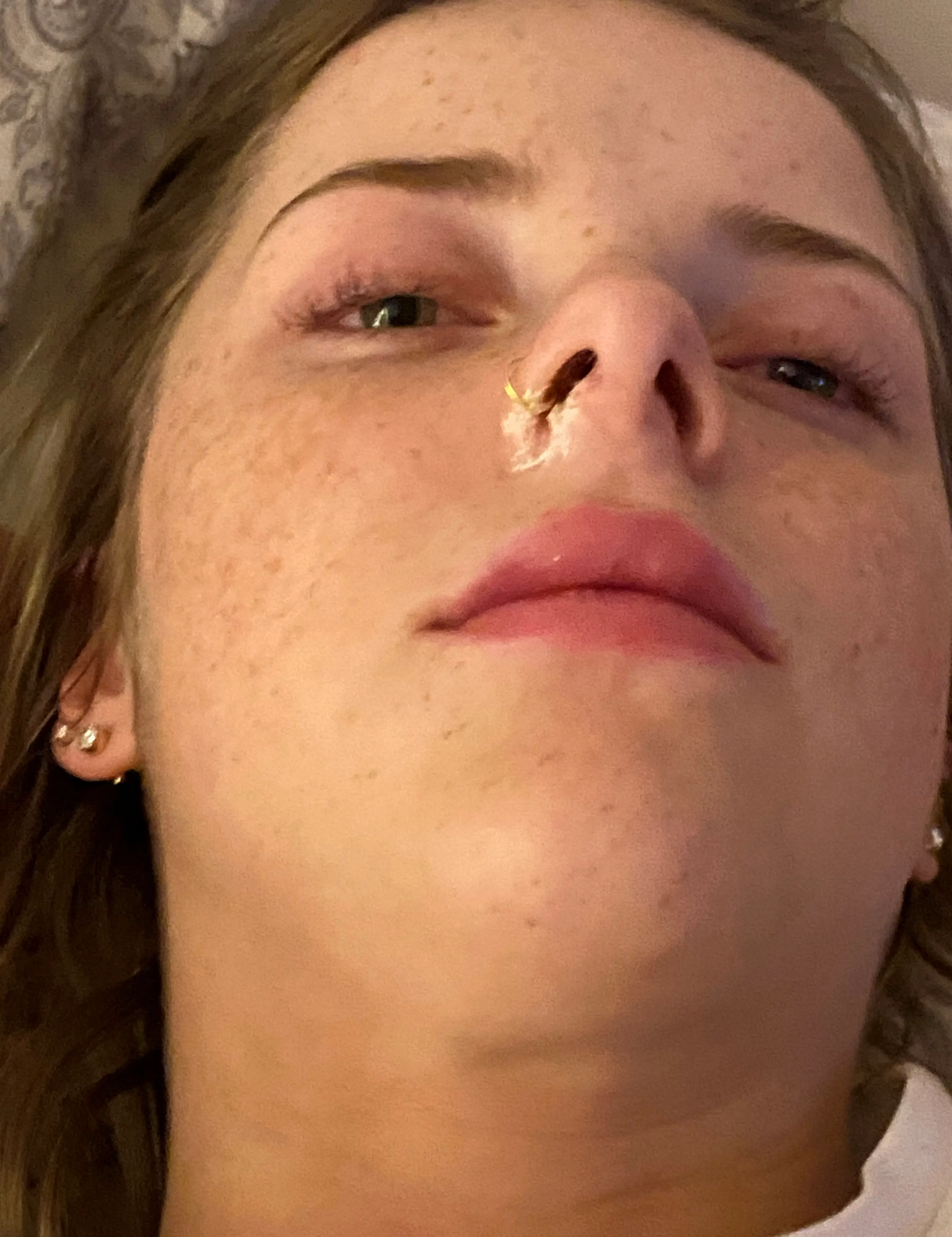
Ellie, who started a support group aimed at helping young adults struggling with addiction, said: "When I first started having bladder issues, it was more like a real urgency to pee and a lot of pain, and not being able to hold it.
"Sometimes, if I didn't make it to the toilet, I would have to pee myself because the pain was so bad I just physically couldn't hold it anymore.
"Then, when it got further into my addiction, the pain when walking was like having shooting and stabbing pains in my vagina.
"It's hard for anyone else to understand that the only thing that helps with the pain was the ketamine, because it's a pain relief, and no other tablets would help with the pain.
"When you're coming clean and trying to get into recovery, say, your first day you might be okay, your second day you might be okay, and then by the third day the pain's just so extreme - it is really difficult."

Ketamine is passed out of the body through urine and can damage the bladder, making it sore and stiff. The 'party drug' use can block the tubes that go from the kidneys to the bladder, and can lead to kidney failure.
When Ellie stopped smoking weed during the pandemic, she felt like there was 'something missing'.
Some of her friends had tried it, and as it became increasingly popular, suddenly people were doing it, Ellie explained. She said it was readily available and easy to get'.
Ellie added: "It became so popular so quickly. All of a sudden, people were doing it, and it was cool.
"We would go to friends' houses and use it, and that's what everyone was doing. I guess you had the thrill from doing something you shouldn't be doing.
"There wasn't one main specific dealer. There were just so many people who were selling it. The more you bought, the better deal you got as well."
Having fallen deep into addiction, Ellie was spending all her wages on the drug. She estimates she spent around $46,000 in total throughout her addiction.
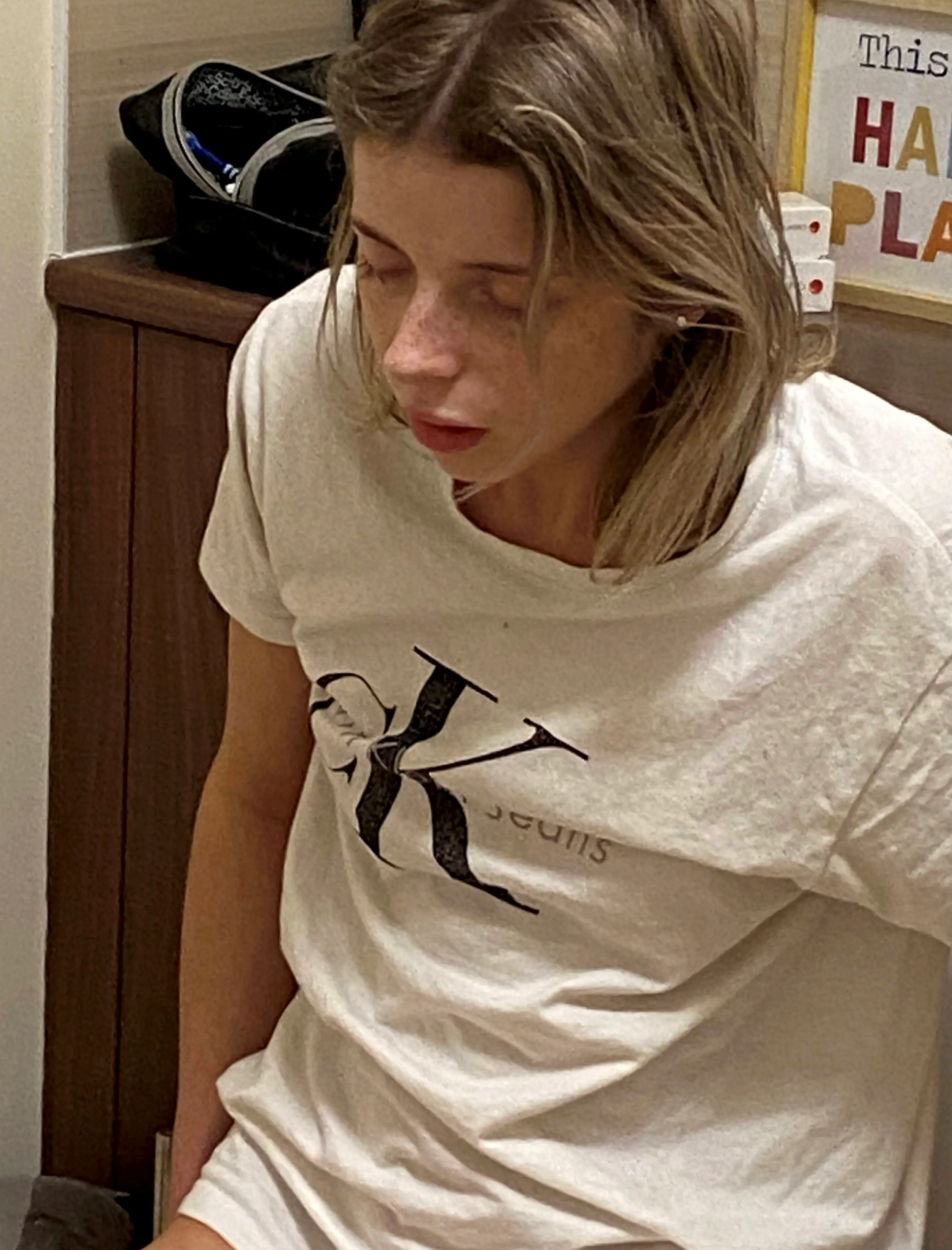
Ellie was admitted to hospital with a kidney infection and what she thought were UTIs. But within six months, Ellie started experiencing symptoms of ketamine urinary tract syndrome, also known as 'ketamine bladder'.
She said: "I was peeing blood quite a lot and peeing mucus chunks from my bladder. You'd feel the chunks coming through as you were peeing, and it was just horrendous, the pain.
"You are constantly worried about it all the time - it's very controlling.
"Firstly, I got a kidney infection, and then I kept thinking I had UTIs, but I didn't; it's just the damage in my bladder that was causing the blood."
Scarring, or fibrosis, leaves the usually stretchy organ tight and constricted, meaning it is less able to fill with and hold urine.
Despite its name, 'ketamine bladder' affects the entire urinary tract, including the kidneys and ureters.
It is characterised by pain in the stomach and back, a frequent and urgent need to urinate, blood in the urine, and sometimes incontinence.
It is now 10 months since she took the drug, and she's still managing the pain caused by its use. Ellie had to have Botox injected into her bladder a month ago to help her manage the pain.
A normal bladder can hold between 300ml and 600ml of urine, but Ellie says hers can now hold just 50ml to 100ml - less than a coffee cup.
She said: "You just have to bear through it and drink plenty of water and hope that it goes away. That's kind of all you can do for it."
She said she had to cut relationships with some people who used to be friends with her when she was addicted to be able to remove the drug from her life.
Ellie said: "It's not because I didn't like them, it's just because you have to keep yourself so guarded, and some people just aren't right for you, and that can be scary.
"You're not just feeling like you're losing that drug that you think is helping you so much, but you're also losing that network of people that you've surrounded yourself with throughout that use as well.
"So it can be an extremely lonely place."
If you want friendly, confidential advice about drugs, you can call American Addiction Centers on (313) 209-9137 24/7, or contact them through their website.
 Niamh Shackleton